

For repair shops, wholesalers and OEMs, controlling phone screen repair costs is key to staying competitive. Cracked screens are common, and poor cost management can make you lose customers to faster or cheaper rivals, resulting in lower profits, delayed repairs and a shrinking customer base.
This article will help you understand the full scope of phone screen repair costs, from sourcing quality parts to optimizing turnaround times. By reading this, you’ll gain the insights you need to balance cost, quality, and efficiency, ensuring your service remains competitive while maximizing your profit.
Average Phone Screen Repair Cost at a Glance
The cost to repair a phone screen typically ranges from $50 to $450, depending on the device, screen type, and repair method. Budget phones with LCD displays usually cost between $50 and $120, while mid-range models range from $100 to $200. For premium devices like newer iPhone or Samsung models with OLED screens, the repair cost can go from $200 to $450 for a full screen replacement.
This price variation occurs due to factors like the brand, model, display technology, and the repair service chosen. For instance, an iPhone OLED screen repair with original parts will cost more than replacing a basic LCD on an older phone. Additional factors such as location, parts quality, and whether the repair includes a warranty or same-day service also affect the overall cost.
Phone Screen Repair Cost by Method
Understanding phone screen replacement costs means comparing repair methods, as prices, quality and speed differ greatly between official providers, independent shops and DIY.
- Authorized Service Repair Cost
Authorized repair services like Apple and Samsung are typically the most expensive but offer the highest quality and reliability. For instance, iPhone 14 screen repairs can cost between $280 and $380, while Samsung flagship devices range from $220 to $400, depending on the model and screen type.
These services use original parts to ensure optimal functionality and long-term performance. Repairs are carried out by certified technicians, minimizing the risk of defects. If the phone is under warranty or has accidental damage protection, the cost may be lower or even free.
However, authorized centers often require appointments, and turnaround time may vary—same-day repairs are possible, but delays can occur if parts are not readily available.
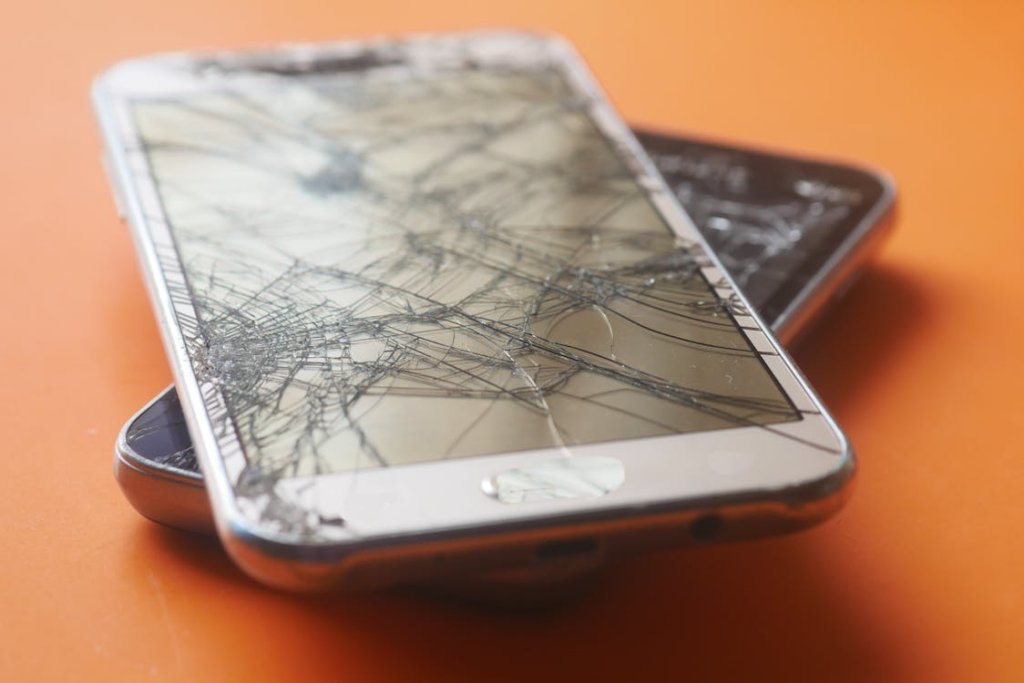
- iPhone and Samsung Phone Screen Replacement Cost at Independent Repair Shops
Independent repair shops offer a more flexible and often more affordable alternative, making them a popular choice in the current market. The typical phone screen repair cost at these shops ranges from $60 to $250, depending on the device and parts used.
Pricing is usually calculated based on:
- Screen cost (LCD or OLED)
- Labor charges
- Shop overhead and profit margin
One key factor here is the choice between OEM (original parts) and aftermarket screens. OEM screens provide better color accuracy, brightness, and durability, while aftermarket options are cheaper but may vary in quality and performance.
- DIY iPhone and Android Phone Screen Replacement Costs
DIY repair is often seen as the cheapest option, but it comes with significant trade-offs. The cost typically includes:
- Replacement screen: $30 to $150
- Tool kit: $10 to $40
While this may seem cheaper upfront, DIY repairs require technical skill, proper tools, and time. Without experience, users risk damaging internal components, affecting functionality, or voiding any existing warranty.
Professionally, DIY repairs often bring inconsistent results and higher long-term costs if extra fixes are needed. For most users and businesses, trained technicians ensure better quality, reliability and value.
Cost to Replace Phone Screen by Device Model
The cost to replace a phone screen varies by model due to differences in display technology, build design, and parts availability. For repair shops and wholesalers, model-specific pricing is essential for accurate quotes and maintaining consistent margins.
iPhone 14 Screen Replacement Cost
The iPhone 14 screen replacement cost typically ranges from $220 to $400, depending on whether OEM (original parts) or aftermarket screens are used. OLED displays increase the price due to higher resolution and performance.
OEM screens deliver higher quality and fewer defects, while aftermarket options save costs for price-sensitive customers. Newer iPhones cost more in labor due to greater complexity and skilled labor needs. Most repairs are done same-day, depending on parts availability.
Older iPhone Models (iPhone X–13)
From iPhone X to iPhone 13, the cost of a phone screen repair is lower, usually between $80 and $250. These models benefit from wider parts availability and simpler repair processes.
However, adhesive sealing still requires proper handling to maintain device functionality. For repair businesses, these models offer strong margins due to lower parts costs and steady market demand.
Android Phones (Samsung, Google, etc.)
Android screen repair pricing varies widely. Samsung flagship devices with OLED screens can cost $180 to $350, while budget smartphones with LCDs range from $50 to $150.
Fully laminated screens increase replacement cost, while simpler designs reduce labor time. For B2B buyers, balancing OEM and aftermarket inventory is key to meeting different pricing needs across regions.
Phone Screen Replacement Costs by Model (2026)
| Device Model | Screen Type | OEM Screen Cost (USD) | Aftermarket Screen Cost (USD) | Labor Time (Hours) | Typical Turnaround |
| iPhone 14 Pro | OLED | $380 | $250 | 1–2 | Same day / 1 day |
| iPhone 14 | OLED | $350 | $220 | 1–2 | Same day / 1 day |
| iPhone 13 | OLED | $280 | $180 | 1 | Same day |
| iPhone 12 | OLED | $250 | $150 | 1 | Same day |
| iPhone X | LCD | $180 | $120 | 1 | Same day |
| Samsung Galaxy S23 | OLED | $320 | $200 | 1–2 | 1–2 days |
| Samsung Galaxy S22 | OLED | $280 | $180 | 1–2 | 1–2 days |
| Google Pixel 7 | OLED | $250 | $150 | 1 | Same day |
| Google Pixel 6 | OLED | $220 | $130 | 1 | Same day |
| Mid-range Android | LCD | $80–$150 | $50–$100 | 1 | Same day |
| Budget Android | LCD | $50–$120 | $30–$80 | 1 | Same day |
Key Factors Affecting iPhone and Android Screen Replacement Cost
The cost of phone screen repair depends on several factors beyond the device model. For repair shops and wholesalers, understanding these variables helps set accurate pricing, avoid unexpected issues, and ensure consistent service quality across different smartphone types.
Screen Type
The screen type is a major factor in phone screen repair cost. LCD screens are generally cheaper to repair due to simpler structures and lower costs. In contrast, OLED and AMOLED screens are more expensive because they offer superior resolution, contrast, and color accuracy.
Within OLED, there’s a difference between hard OLED and soft OLED. Hard OLED is more affordable but less flexible, while soft OLED provides better display quality and durability, making it more costly.
High-end screens offer better touch sensitivity and color accuracy, crucial for maintaining original device performance. For repair shops, the choice of screen type directly impacts pricing and customer satisfaction.
Labor Complexity
Labor is another key factor in repair cost. Modern smartphones are designed with compact internal layouts, which make screen replacement more complex. Repairs often require careful disassembly, frame removal, and reinstallation of components without damaging the device.
Many newer models also feature water-resistant seals, which must be properly removed and reinstalled during the repair. This ensures continued protection against dust and moisture, adding to the labor complexity and overall cost.
Additionally, handling delicate flex cables requires precision and expertise. Mistakes can cause display issues, increasing repair time and costs. This is why experienced technicians and the right tools are crucial for quality repairs.
Additional Damage
In many cases, additional damage increases the repair cost. A bent frame may prevent the new screen from fitting, requiring extra labor or replacement parts. Battery swelling can push against the screen, adding the need for a battery replacement. Damaged connectors or internal components can also affect screen performance, raising both labor and parts costs.
For repair businesses, identifying these issues early ensures accurate pricing and service estimates, avoiding underpricing and unforeseen complications.
Risks of Cheap Replacement Screens
Low-quality or aftermarket screens may cause touch delay, brightness inconsistency, flicker, or even battery drain. Using professional-grade or OEM screens minimizes these risks and ensures consistent device performance.
Is It Worth Repairing Your Phone Screen?
Determining phone screen repair cost is just part of the decision-making process. The real question for consumers and repair businesses is whether the repair is worth the cost. This depends on the device’s condition, market value, and long-term functionality after the repair.
Signs a Repair Is Worth the Cost
In many cases, repairing a cracked screen is the most practical and cost-effective option. If the cost of repairing the phone screen is significantly lower than the device’s resale or replacement value, repair is usually the better choice.
A screen replacement can fully restore functionality, including touch response, display resolution, and overall user experience, especially when high-quality or original parts are used. On newer smartphones, this allows users to save money while extending their device’s lifespan.
For repair shops, these scenarios offer strong service opportunities, as customers are more likely to approve repairs when the value is clear and immediate.
When Replacement or Upgrade Is Better
However, repair is not always the best option. If the device has severe internal damage, such as motherboard issues, battery swelling, or multiple component failures, the total repair cost may exceed the value of the phone.
Similarly, for outdated devices, even a low-cost screen repair may not be worthwhile if performance is poor or software support is limited. In such cases, recommending a new phone or upgrade provides better long-term value.
For B2B businesses, guiding customers toward the right decision—whether repair or replacement—helps build trust and improves customer retention.
How Repair Shops Can Optimize Screen Replacement Costs
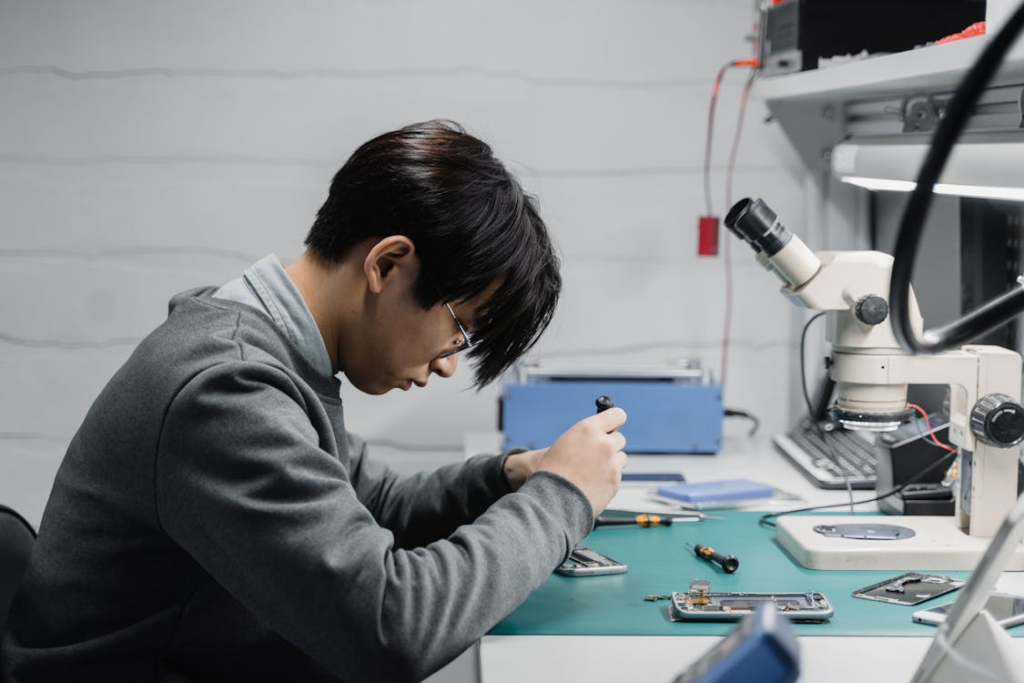
In high-volume repair shops, technicians often prepare multiple devices at once to reduce downtime and improve same-day service efficiency. This workflow ensures faster turnaround without sacrificing quality, helping shops stay competitive.
Bulk Screen Sourcing
For repair shops, bulk sourcing screens from professional suppliers like SQLCD effectively lowers component costs. Wholesale purchasing cuts per-unit prices, guarantees steady stock, and helps businesses stay competitive.
Use High-Quality Replacement Screens
Investing in high-quality or OEM-grade screens lowers defects, boosts display performance, and reduces return rates. Cheap parts may seem cost-effective at first, but often cause rework, extra labor, and customer dissatisfaction, raising total repair costs.
Standardized Repair Workflow
Creating a streamlined and standardized repair process improves efficiency and reduces labor hours. With trained technicians, proper tools, and optimized workflows, shops can handle same-day repairs more effectively, increasing daily ticket volume and maximizing profit margins.
Efficient Inventory Management
Track high-demand models and screen types to avoid overstocking or shortages. Accurate inventory ensures shops can perform same-day repairs without delays, reducing downtime and improving customer satisfaction.
Technician Training & Certification
Skilled, certified technicians handle broken screens more efficiently, reducing the risk of damage to delicate components such as flex cables and water-resistant seals. Training also improves consistency across repair and replacement services.
Use Diagnostic Tools Before Repair
Perform a pre-repair diagnostic to identify additional damage, such as bent frames, connector issues, or battery swelling. Early detection prevents costly rework and improves workflow efficiency.

Why Choosing Professional Screens Matters
Using professional-grade screens is essential for repair shops to ensure quality, reliability, and customer satisfaction. Key benefits include:
- OEM vs Aftermarket Quality: OEM screens provide superior color accuracy, touch sensitivity, and durability compared to aftermarket alternatives.
- Reduced Defects & Warranty Issues: High-quality parts minimize rework, returns, and potential warranty claims.
- Customer Satisfaction Impact: Reliable screens restore full device functionality, increasing trust and repeat business.
- Operational Efficiency: Using consistent, professional screens allows technicians to complete same-day repairs more effectively.
- Profit Protection: Reduces losses from defective parts and improves long-term profitability for repair shops.
FAQs About Phone Screen Repair Cost
How much is it to repair a cracked iPhone screen?
The cost to repair a cracked iPhone screen depends on the model and type of display. Newer iPhones with OLED screens can cost between $220 and $400, while older LCD models range from $80 to $250.
Why does the cost of screen replacement vary by phone model?
Screen replacement costs vary by model due to different display tech, internal design and complexity. OLED/AMOLED screens cost more than LCDs, and newer phones need careful handling of cables, adhesive and waterproof seals. Extra damage such as bent frames or swollen batteries also raises repair costs.
Can I use aftermarket screens safely?
Aftermarket screens are a cost-effective option, but quality varies widely. High-quality aftermarket or OEM-grade screens can restore full functionality, color accuracy, and touch sensitivity, while low-quality parts may lead to defects or customer complaints.
Does screen repair affect touch sensitivity or display color accuracy?
Screen repair quality affects touch response and color accuracy based on parts used. OEM screens maintain original performance, while cheap aftermarket alternatives may cause unresponsive touch or dull colors. For repair shops, professional-grade screens ensure consistent results, customer satisfaction, and fewer returns or follow-up repairs.
Does screen repair affect touch sensitivity or color?
OEM and professional screens maintain original performance; cheap parts may cause dull colors or unresponsive touch.
Why do OLED repairs cost more?
OLED displays require careful handling, stronger adhesives, and precise installation to avoid defects.
How long does a professional phone screen repair take?
Professional screen repairs can often be completed the same day for popular models if parts are in stock. Complex repairs or devices with additional damage may require 24–48 hours.
Conclusion – Understanding Phone Screen Repair Costs
Phone screen repair costs vary by device, screen type, and repair complexity. OEM or professional-grade screens ensure quality, reduce returns, and maintain customer satisfaction. For repair shops and B2B partners, bulk sourcing, standardized workflows, and skilled technicians improve efficiency and profitability. Partner with SQLCD for competitive pricing, reliable screens, and consistent service.