
As OLED displays become the standard for premium smartphones, repair shops and wholesalers increasingly need to understand the difference between hard OLED vs soft OLED. Choosing the correct replacement screen directly affects customer satisfaction, repair profitability, durability, and return rates.
For professional repair businesses, understanding OLED technology is no longer optional. Whether you repair iPhone displays daily or source screens in bulk, selecting the right OLED panel can significantly impact your business performance.
In this guide, we explain what is soft OLED, compare soft OLED and hard OLED in real repair scenarios, and help repair shops determine which screen type is best for different customers and budgets.
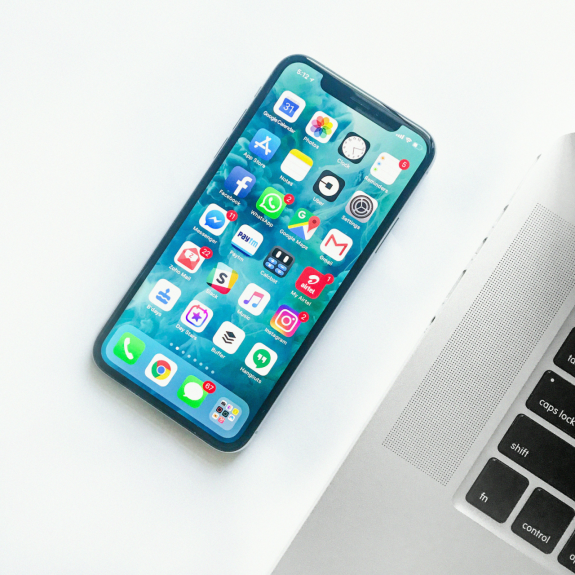
What Is OLED Technology?
OLED stands for Organic Light-Emitting Diode. Unlike traditional LCD screens that require a backlight, OLED displays generate light from individual pixels. This allows smartphones to achieve:
- Higher contrast ratios
- Deeper blacks
- Better color accuracy
- Thinner display assemblies
- Lower power consumption
Apple introduced OLED displays with the iPhone X, and most premium iPhones now use OLED technology.
However, not all OLED replacement screens are identical. In the repair industry, OLED displays are generally divided into two categories:
- Hard OLED
- Soft OLED
Understanding the difference is essential for repair shops and wholesalers.
What Is Soft OLED?
Soft OLED uses a flexible plastic substrate instead of rigid glass. Because the panel can bend slightly, manufacturers can create thinner and more durable displays.
Apple uses soft OLED technology in original iPhone OLED screens because it provides:
- Better touch responsiveness
- Narrower bezels
- Improved flexibility
- Enhanced drop resistance
- More accurate colors
Advantages of Soft OLED
1. Better Display Quality
Soft OLED screens are generally closer to original Apple displays in:
- Brightness
- Color calibration
- Touch smoothness
- Viewing angles
2. Greater Durability
Because the substrate is flexible, soft OLED displays absorb impact more effectively than rigid panels.
3. Lower Power Consumption
Soft OLED panels are more energy-efficient, which helps maintain battery performance.
Disadvantages of Soft OLED
- Higher manufacturing cost
- More expensive replacement pricing
- Requires higher precision during installation

What Is Hard OLED?
Hard OLED uses a rigid glass substrate rather than flexible plastic. These displays are commonly used in aftermarket replacement screens because they are cheaper to manufacture.
Hard OLED panels are popular among repair shops offering budget-friendly repairs.
Advantages of Hard OLED
1. Lower Cost
Hard OLED screens are significantly cheaper than soft OLED displays.
2. Good Profit Margins
Repair shops can reduce repair costs while maintaining reasonable display quality.
3. Suitable for Older Devices
Many customers repairing older iPhones prefer affordable replacement options.
Disadvantages of Hard OLED
- Thicker bezels
- Less flexibility
- More fragile edges
- Slightly reduced touch sensitivity

Hard OLED vs Soft OLED: Main Differences
The biggest difference between hard OLED and soft OLED is the substrate material. This affects nearly every aspect of screen performance and repair workflow.
| Feature | Soft OLED | Hard OLED |
|---|---|---|
| Substrate | Flexible plastic | Rigid glass |
| Thickness | Thinner | Thicker |
| Flexibility | High | Low |
| Display Quality | Excellent | Good |
| Durability | Better drop resistance | More brittle |
| Touch Response | Closer to OEM | Slightly reduced |
| Price | Higher | Lower |
| Repair Cost | Premium | Budget-friendly |
| Battery Efficiency | Better | Moderate |
For professional repair shops, the decision often depends on customer expectations and repair budgets.
Soft OLED for iPhone: Is It Worth It?
Many premium repair shops now recommend soft OLED for iPhone repairs because customers increasingly expect OEM-like display performance.
Soft OLED is especially popular for:
- iPhone 12 series
- iPhone 13 series
- iPhone 14 series
- Refurbished flagship devices
Why Customers Prefer Soft OLED
Customers often notice differences in:
- Screen brightness
- Touch responsiveness
- Edge bezel thickness
- Color consistency
- Smooth display performance
For refurbishment businesses, soft OLED displays can also improve resale value.
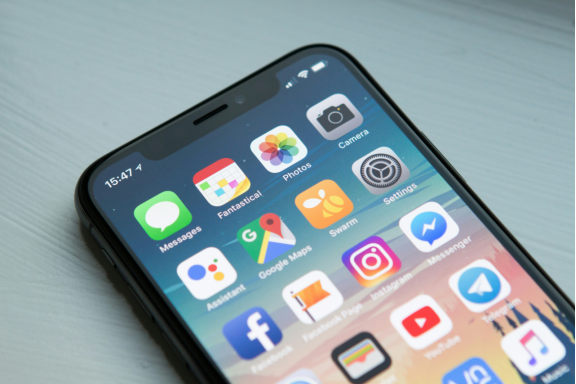
Soft OLED Replacement Cost
One of the most common questions in the repair industry is about soft OLED replacement cost.
Soft OLED screens are more expensive because they require:
- Flexible substrate production
- More advanced manufacturing processes
- Higher quality touch IC integration
- Lower defect tolerance during production
Typical Cost Differences
Although pricing varies by model and supplier, soft OLED screens typically cost:
- 20%–50% more than hard OLED
- More for newer flagship iPhones
- Less in bulk wholesale orders
Cost vs Customer Satisfaction
Repair shops often use two pricing strategies:
Budget Repair Option
- Hard OLED
- Lower repair cost
- Faster customer conversion
Premium Repair Option
- Soft OLED
- Higher margins
- Better customer satisfaction
- Reduced return rates
Offering both options allows repair businesses to serve different customer segments.
Which OLED Type Is Better for Repair Shops?
There is no universal answer. The best option depends on the repair business model.
Choose Hard OLED When:
- Customers prioritize low repair cost
- Repairing older iPhones
- Operating high-volume repair shops
- Targeting budget-conscious markets
Choose Soft OLED When:
- Customers want OEM-like quality
- Repairing premium devices
- Selling refurbished iPhones
- Reducing complaints and returns
Many professional wholesalers now stock both screen types to meet market demand.
Picture 5

Common Mistakes Repair Shops Make
1. Choosing the Cheapest Screen Only
Low-cost OLED screens may increase return rates and customer complaints.
2. Ignoring Touch IC Quality
Poor touch IC components can reduce responsiveness and stability.
3. Using Low-Grade OLED Panels
Not all aftermarket OLED screens meet professional standards.
4. Improper Installation
Even high-quality soft OLED displays can fail if installed incorrectly.
Professional repair workflow and quality control remain essential.
How Wholesalers Choose Reliable OLED Suppliers
Professional wholesalers and repair chains evaluate suppliers based on:
- OLED panel consistency
- Brightness testing standards
- Touch sensitivity performance
- Warranty support
- Stable inventory supply
- Low defect rates
A reliable supplier helps repair businesses reduce operational risk and improve long-term profitability.

Why Repair Shops Source OLED Screens from SQLCD
Professional repair shops require stable supply chains and reliable display quality.
SQLCD supports repair businesses with:
- Hard OLED and soft OLED inventory options
- Strict quality control testing
- Bulk wholesale supply
- Stable product availability
- Professional support for repair shops and distributors
Whether your business focuses on budget repairs or premium refurbishment, choosing the right OLED screen supplier is critical.
FAQs About Hard OLED vs Soft OLED
Is soft OLED better than hard OLED?
Soft OLED generally offers better flexibility, display quality, and durability. However, hard OLED remains a cost-effective option for budget repairs.
Why is soft OLED more expensive?
Soft OLED uses flexible materials and more advanced manufacturing processes, increasing production cost.
Is hard OLED good enough for iPhone repairs?
Yes. Hard OLED is widely used in aftermarket repairs and provides acceptable performance for many customers.
Which OLED type is closest to the original Apple display?
Soft OLED is usually closer to OEM Apple screen performance.
Does soft OLED improve battery life?
Soft OLED panels are generally more power-efficient than hard OLED.
Conclusion
Understanding the difference between hard OLED vs soft OLED is essential for repair shops, wholesalers, and refurbishment businesses.
Hard OLED offers:
- Lower replacement cost
- Good profitability
- Practical performance for budget repairs
Soft OLED provides:
- Better flexibility
- Closer-to-OEM display quality
- Improved durability and customer satisfaction
The best solution depends on your customer expectations, repair workflow, and business positioning.
For professional repair operations, offering both hard OLED and soft OLED options is often the most effective strategy for maximizing profitability while