
Smartphones are made up of dozens of precision-engineered components that work together to deliver communication, entertainment, and productivity. Whether you’re a phone repair technician, parts wholesaler, or simply curious about parts of the phone, understanding each component can help you make better repair and purchasing decisions.
This guide explains the essential mobile phone parts, their functions, and the components most commonly replaced during smartphone repairs.
Display Assembly
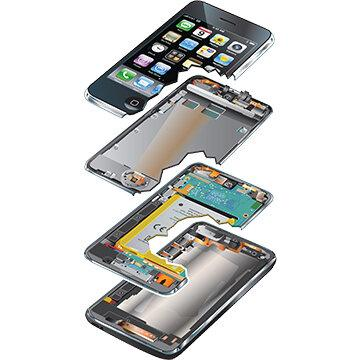
The display assembly is the most visible and frequently replaced smartphone component. It usually consists of:
- Cover glass
- Touch digitizer
- LCD or OLED display panel
- Display flex cable
Modern flagship smartphones typically use OLED displays, while many budget devices still use LCD panels. High-quality replacement screens provide better brightness, touch sensitivity, and durability.
Battery
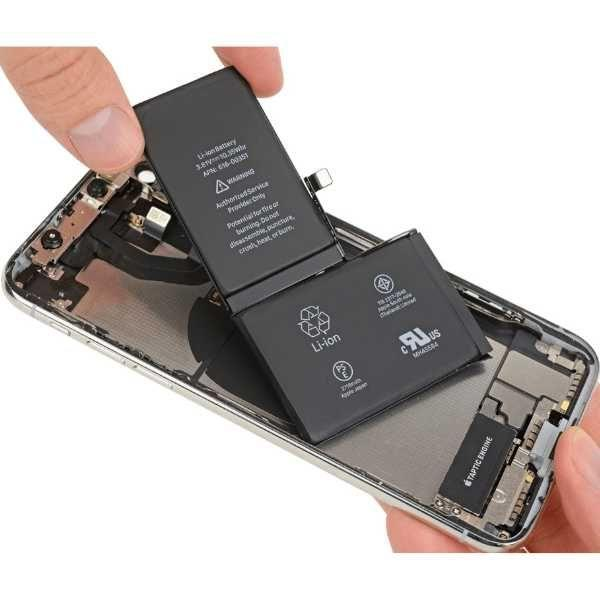
The lithium-ion battery powers every smartphone function. Over time, batteries lose capacity, resulting in shorter battery life and unexpected shutdowns.
Signs that a battery should be replaced include:
- Fast battery drain
- Device overheating
- Battery swelling
- Random restarts
Professional repair shops typically recommend replacing batteries when battery health drops below the manufacturer’s recommended level.
Motherboard (Logic Board)
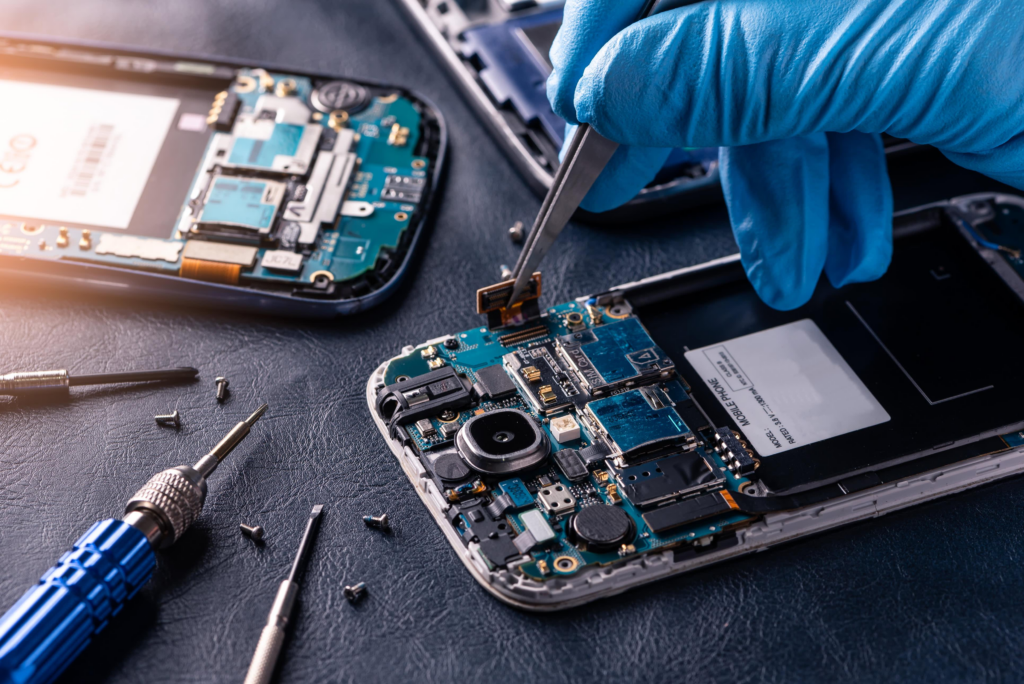
The motherboard is the “brain” of the smartphone. It connects nearly every internal component and contains:
- Processor (CPU)
- Memory (RAM)
- Storage chip
- Charging IC
- Power management IC
- Wireless communication chips
Damage to the motherboard often requires advanced diagnostic equipment and microsoldering skills.
Camera Modules
Today’s smartphones may include several cameras, such as:
- Main wide-angle camera
- Ultra-wide camera
- Telephoto camera
- Front selfie camera
Each camera module contains image sensors, autofocus mechanisms, and optical lenses. If photos become blurry or the camera fails to focus, replacing the camera module is often the most effective solution.
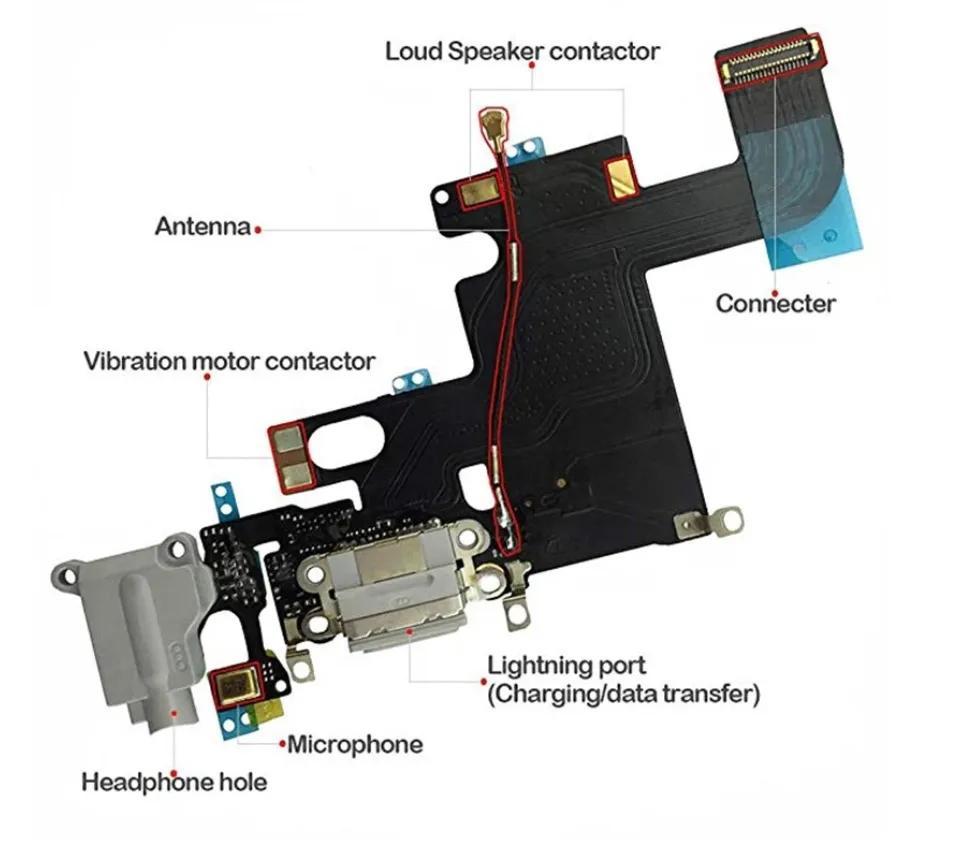
Charging Port and Flex Cables
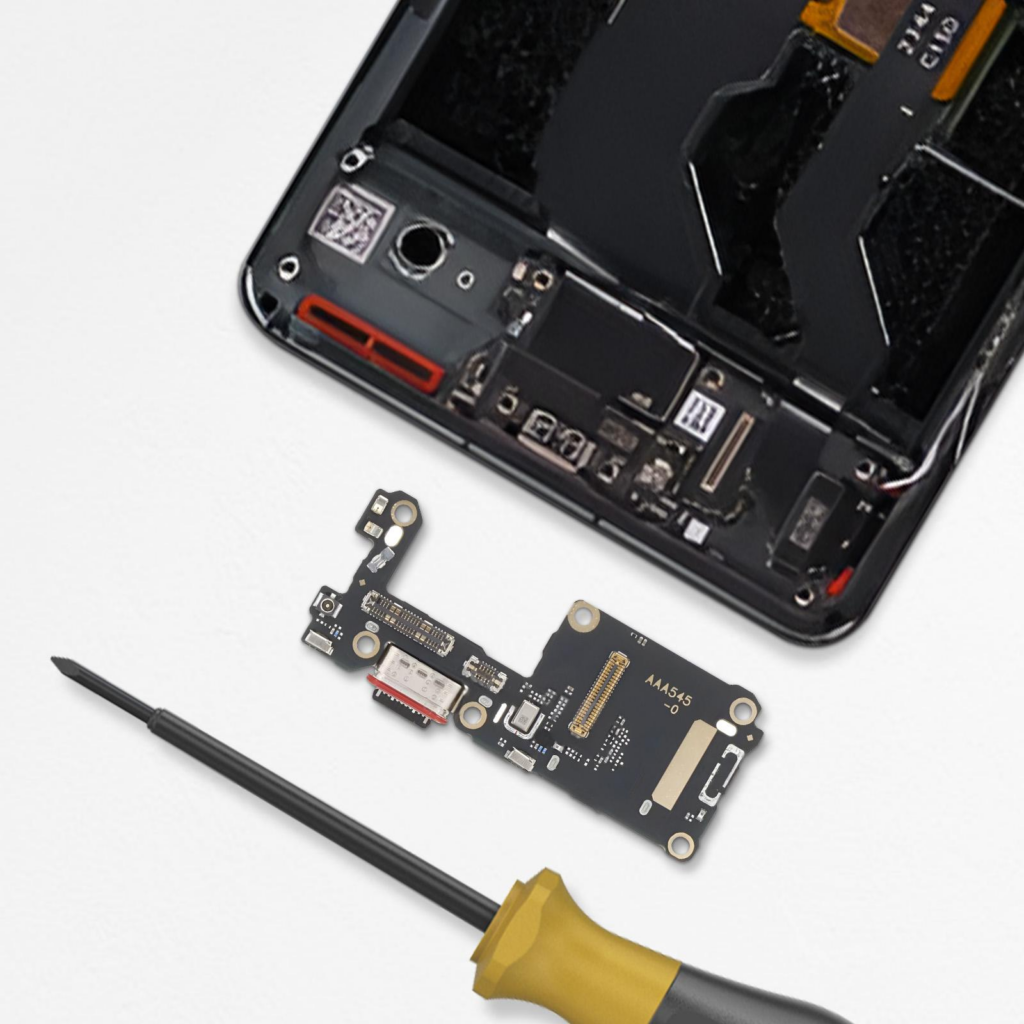
Charging problems are frequently caused by worn charging ports or damaged flex cables rather than battery failure.
Common charging components include:
- USB-C or Lightning connector
- Charging flex cable
- Microphone flex
- Antenna flex
Replacing these parts can restore reliable charging and data transfer.
Speakers, Sensors, and Other Smartphone Components
Additional smartphone components include:
- Loudspeaker
- Earpiece speaker
- Main microphone
- Vibration motor
- Proximity sensor
- Ambient light sensor
- Face ID or fingerprint sensor
Although these parts are small, they play a critical role in delivering a complete user experience.
OEM vs Aftermarket Phone Parts
When replacing damaged components, repair shops generally choose between OEM-quality and aftermarket parts.
OEM-quality parts typically offer:
- Better compatibility
- More accurate colors
- Higher brightness
- Longer lifespan
- Improved customer satisfaction
Reliable aftermarket parts can also provide excellent performance while reducing repair costs, making them a popular choice for wholesalers and repair businesses.
Conclusion
Understanding the parts of the phone helps both consumers and repair professionals diagnose problems more accurately and choose the right replacement components. From the display assembly and battery to the motherboard and camera modules, every part contributes to the phone’s overall performance.
For repair shops and wholesalers, sourcing high-quality replacement parts is essential for delivering reliable repairs, reducing warranty claims, and improving customer satisfaction.