
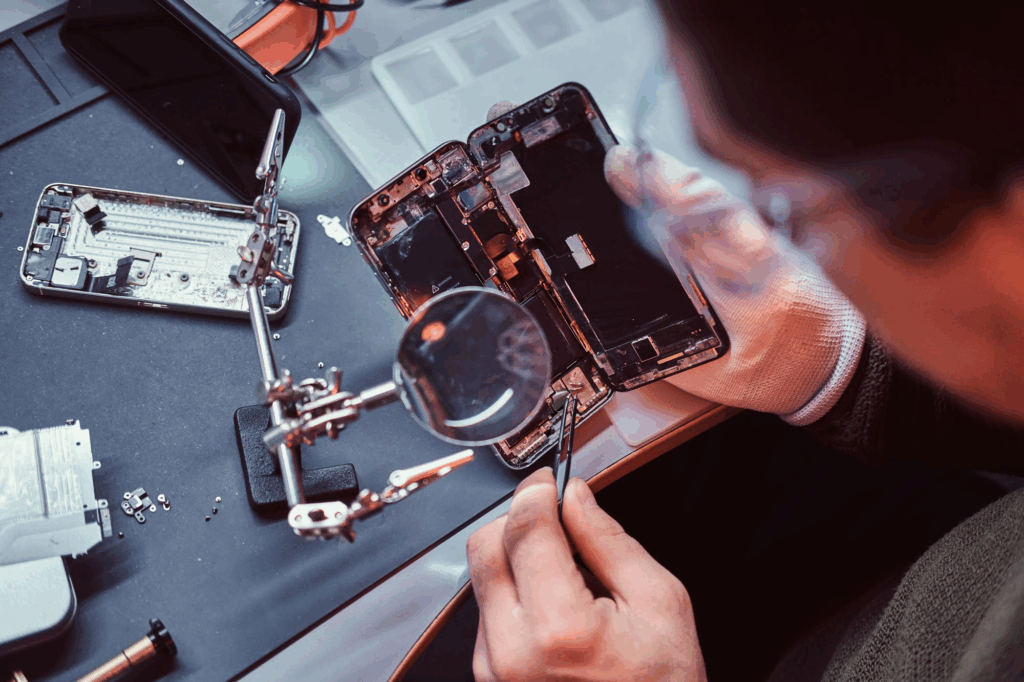

As a mobile phone repair technician, you deal with a lot of unusual concerns and queries. One of which is whether you can put a screen protector on a cracked screen. Is it a good idea? Can it stop the cracks from spreading? Is it a temporary fix? This guide will provide some clarity.
Let’s uncover the safety risks of applying screen protector over a cracked screen. We will also explain professional alternatives, so you can make an informed decision.
Why People Consider Putting a Screen Protector on a Cracked Screen
First things first, let’s understand why phone users even consider putting a screen protector on a cracked screen. There are three common situations:
- The crack is minor, and they want a quick fix.
- They are waiting for replacement parts to arrive.
- They want to prevent further damage until a proper screen replacement can be done. Therefore, phone owners apply a tempered glass screen protector or plastic film to reduce the risk of glass shards.
For B2B repair stores, wholesalers, and technicians, this question is more than just about convenience. They need to offer their customers the right advice.
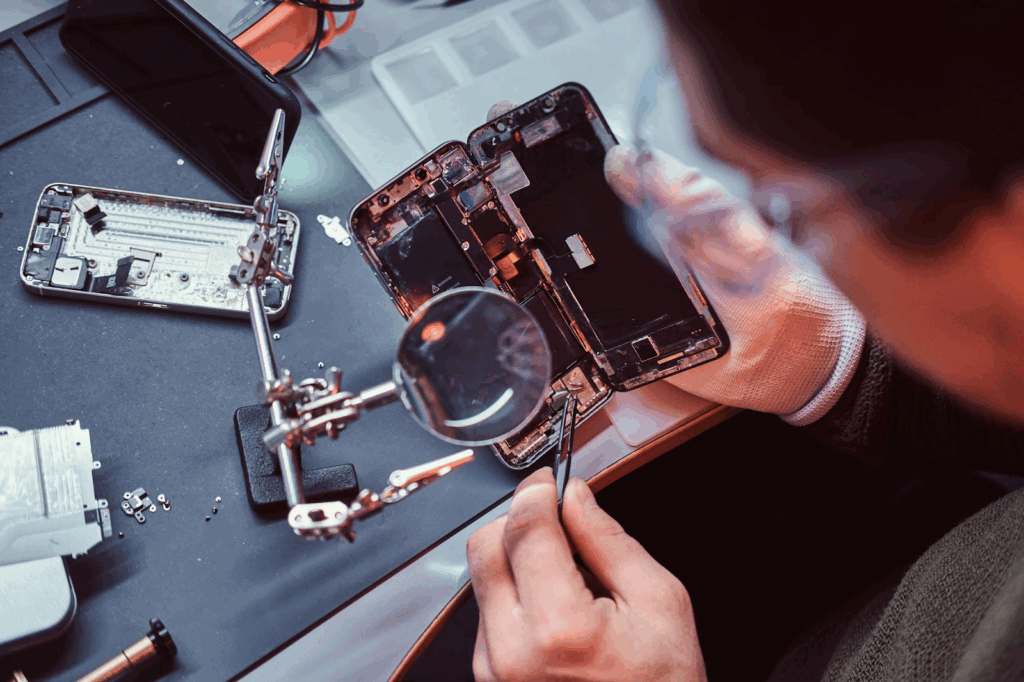
Wholesalers often encounter retailers asking if tempered glass protectors can still adhere properly to existing cracks or if they’ll cause additional damage. Similarly, repair technicians need to know how to handle sharp edges, dust, or debris on a damaged screen before applying a new protector to ensure a smooth surface.
A quick advice for readers
Keep in mind that a screen protector is not a repair solution. Applying one over a cracked or broken phone screen may temporarily improve safety and appearance, but it won’t fix underlying screen damage or restore full functionality. A protector only acts as a shield against further damage.
Can You Actually Put a Screen Protector on a Cracked Screen?
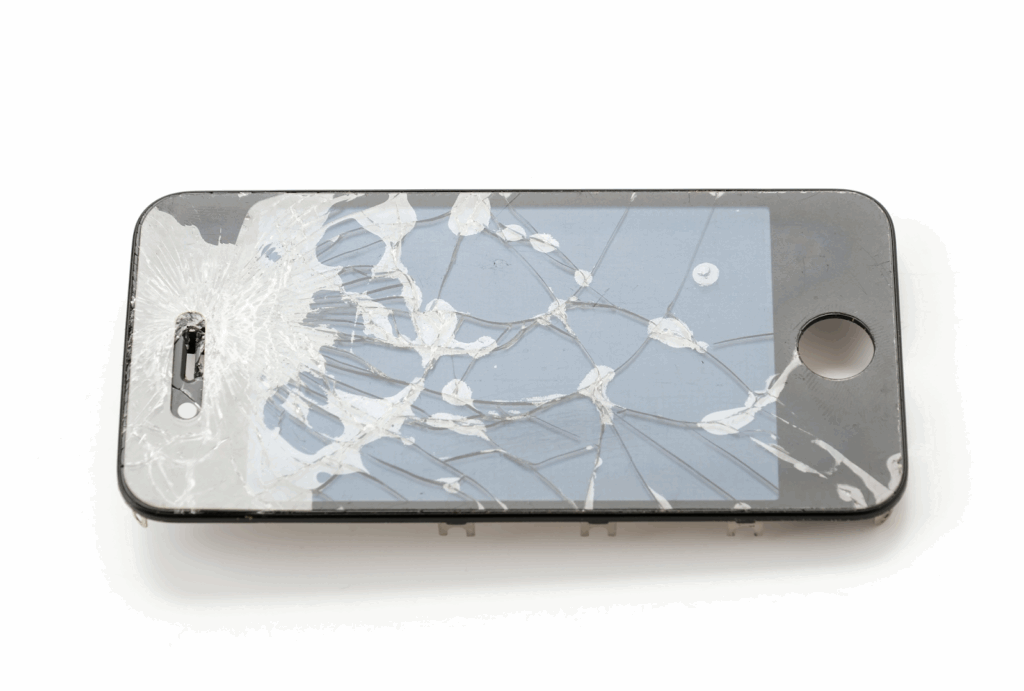
The short answer? Yes! You can put a screen protector on a cracked screen. But there are clear limitations.
It works best when the screen cracks are minor, such as hairline fractures or small surface cracks. Just make sure these cracks haven’t affected the touchscreen or visibility. A screen protector is not recommended for a deeply cracked or shattered screen. The damaged surface makes it difficult for the protector’s adhesive to bond properly. This can result in air gaps, bubbles, or uneven coverage.
You also need to be mindful of safety risks if the glass is sharp or when lifting. When you press a glass protector on an unstable area, it can make matters worse by causing the cracks to spread.
Risks of Applying a Screen Protector Over a Cracked Screen
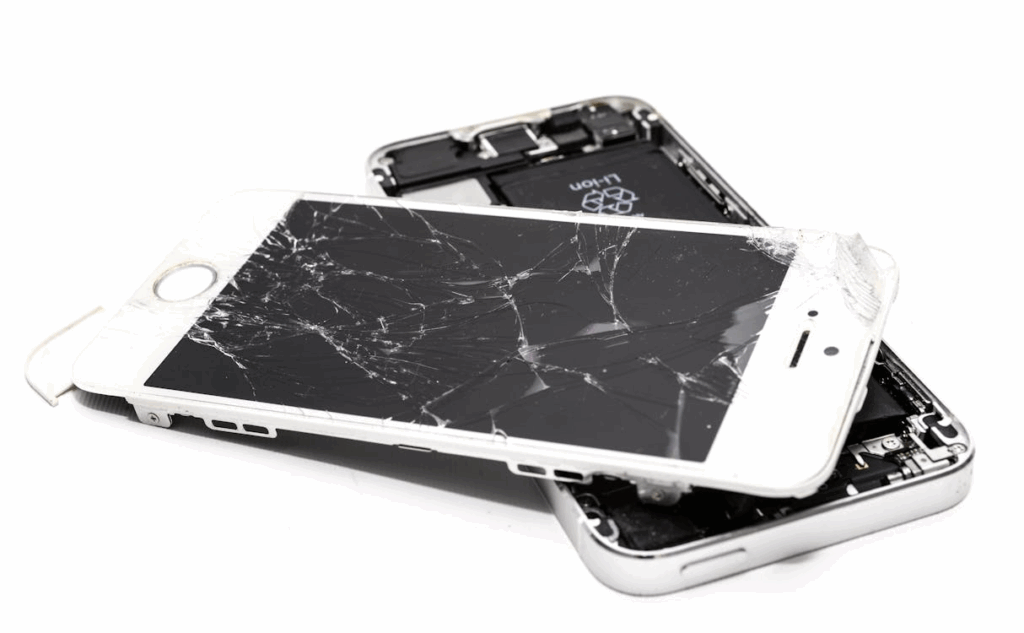
As mentioned earlier, there are some risks of applying screen protector over a cracked screen.
The entire process can trap more dust and moisture than before. This will worsen the crack. You might also see black spots on the actual screen.
The next risk is uneven pressure. When a tempered glass protector or plastic film is pressed over a damaged area and it doesn’t sit evenly, there is a great chance the crack will spread. Worst case? The touchscreen’s sensitivity will be affected. You might also notice reduced display clarity or visible air pockets beneath the protector.
Repair shop owners and technicians face an additional challenge. Applying a protector over a cracked or broken screen can make later screen removal or replacement more complicated.
Does a Screen Protector Prevent the Crack from Spreading?
The truth is that a screen protector can slow down crack progression, but it cannot stop it completely. A screen protector acts as a temporary protective layer. It might hold the glass together and reduce the risk of further damage. But the existing cracks in the phone screen will continue to expand slowly.
Types of screen protectors
Not sure which screen protector is better? Let’s compare the two top contenders:
| Type of Screen Protector | Protection Level | Durability | Effect on Crack Progession |
| Tempered Glass | High | Strong and rigid | Slows crack spread |
| Plastic Film | Moderate | Flexible but less resistant to impacts | Minimal effect |
If you’re applying a screen protector on cracked iPhone screen, make sure to consider the given iPhone display type.
While both tempered glass and plastic film can help protect the screen temporarily, neither can fix or stop cracks entirely. A full-screen replacement remains the only reliable long-term solution to restore the phone’s display and prevent additional damage.
When It’s Safe to Apply a Screen Protector on a Cracked Screen
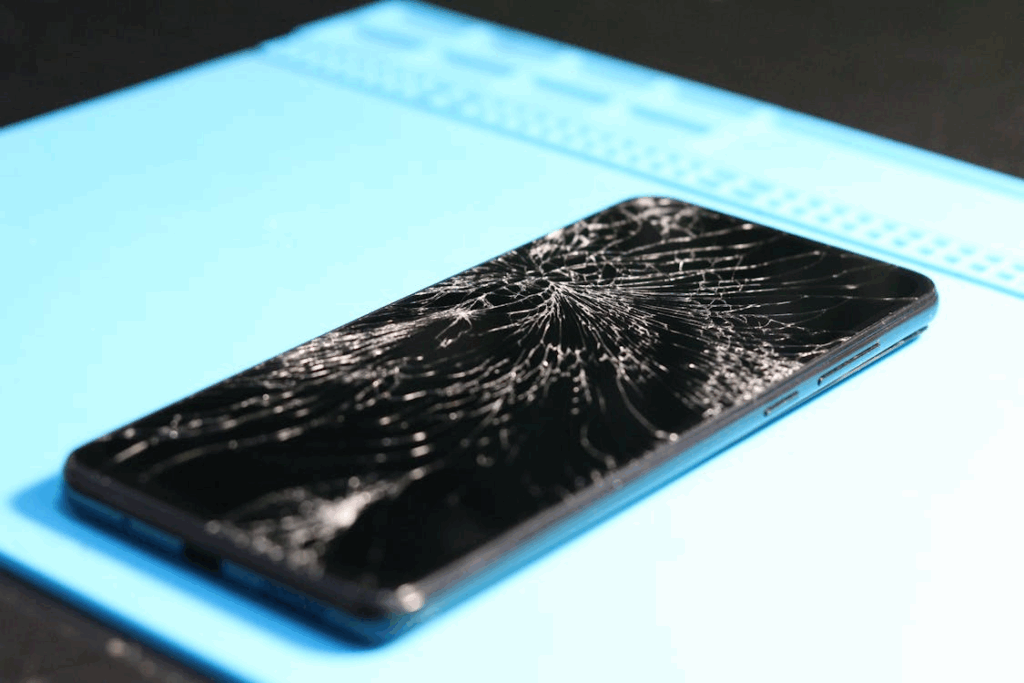
Here are some situations where applying a screen protector to a cracked phone screen is considered safe and even practical:
- The cracks are small and surface-level.
- You need a temporary protective cover before the repair.
- The screen is still functional, and you want to maintain usability.
As for B2B professionals, you can recommend applying a screen protector to a cracked screen if there are:
- Stock delays
- Shipping issues
How to Apply a Screen Protector on a Cracked Screen (If You Must)
If you need to apply a screen protector on a cracked screen, it’s important to handle the process carefully to avoid causing additional damage.
Here’s a step-by-step guide to doing it safely and effectively:
Step 1: Clean the surface carefully
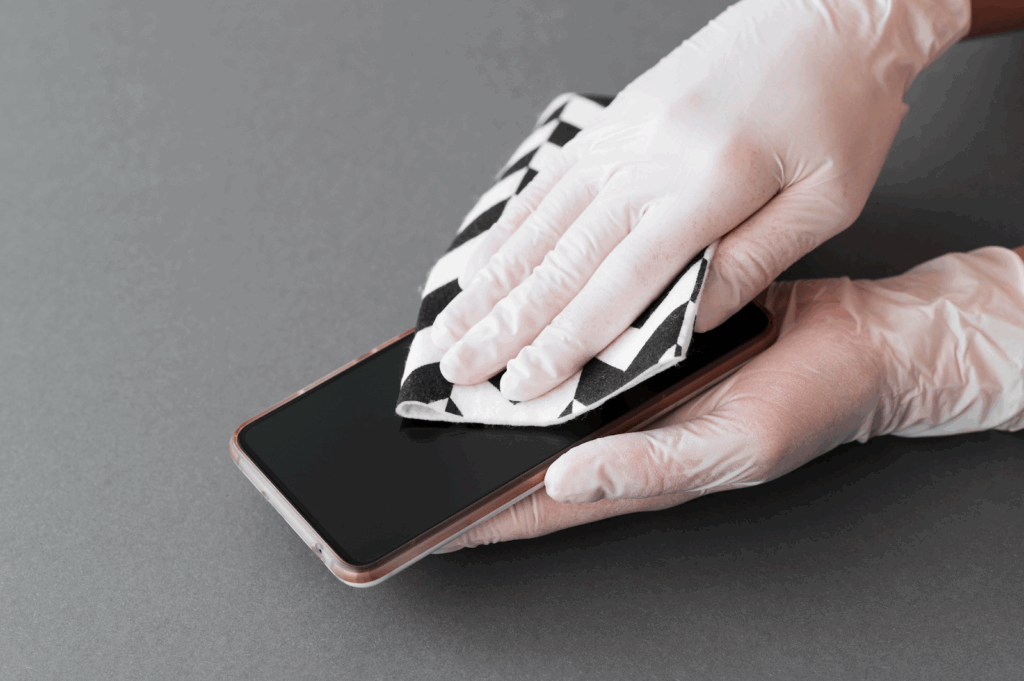
Start by gently wiping the phone screen with a microfiber cloth to remove any dirt, dust, or debris. Be cautious around sharp edges or lifting glass, as pressing too hard can worsen screen cracks. If there are any loose glass shards, use a small piece of packing tape to lift them away safely.
Step 2: Remove dust completely
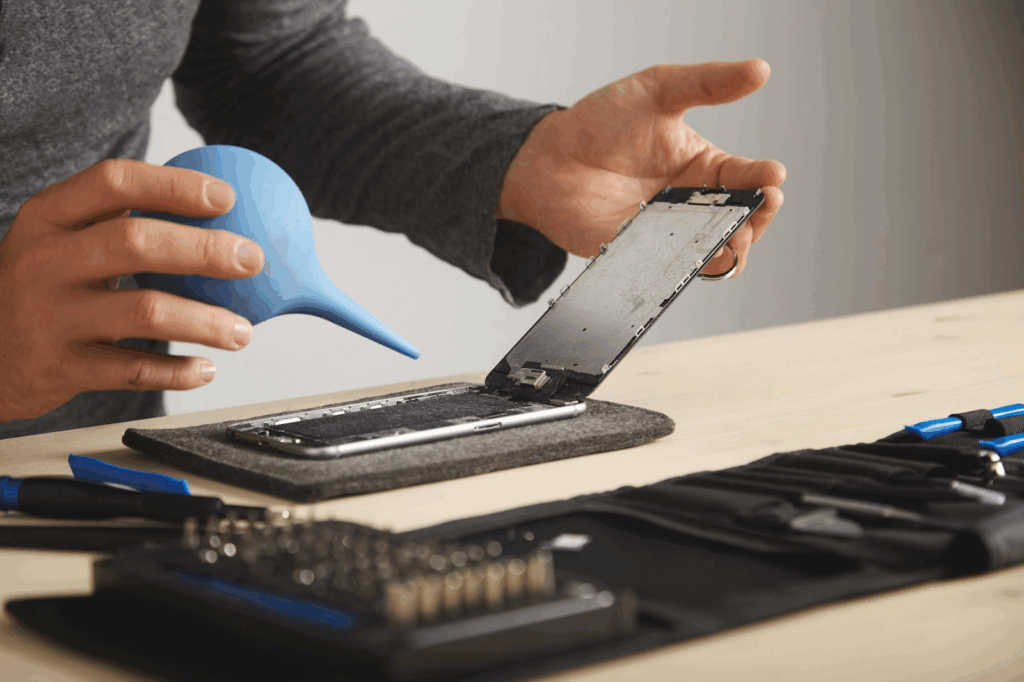
Use compressed air or a dust removal sticker to eliminate any fine particles. Dust trapped under the protector can create air bubbles and reduce adhesion, making the protector less effective.
Step 3: Apply the protector slowly
This is where a lot of people go wrong. Align the tempered glass screen protector or plastic film carefully with the screen’s edges, then lower it gradually from one side to the other.
Step 4: Removing Air Bubbles
Use a squeezing tool or a microfiber cloth to push bubbles toward the edges. Use dust removal tape to eliminate stubborn air bubbles caused by dust particles. Lift the protector slightly with the tape to clear the debris.
Step 5: Test touch response
Once applied, check the touchscreen to ensure it still responds properly. Minor air gaps may affect sensitivity, especially if the crack is near the sensor area.
Pro Tip for Repair Shops
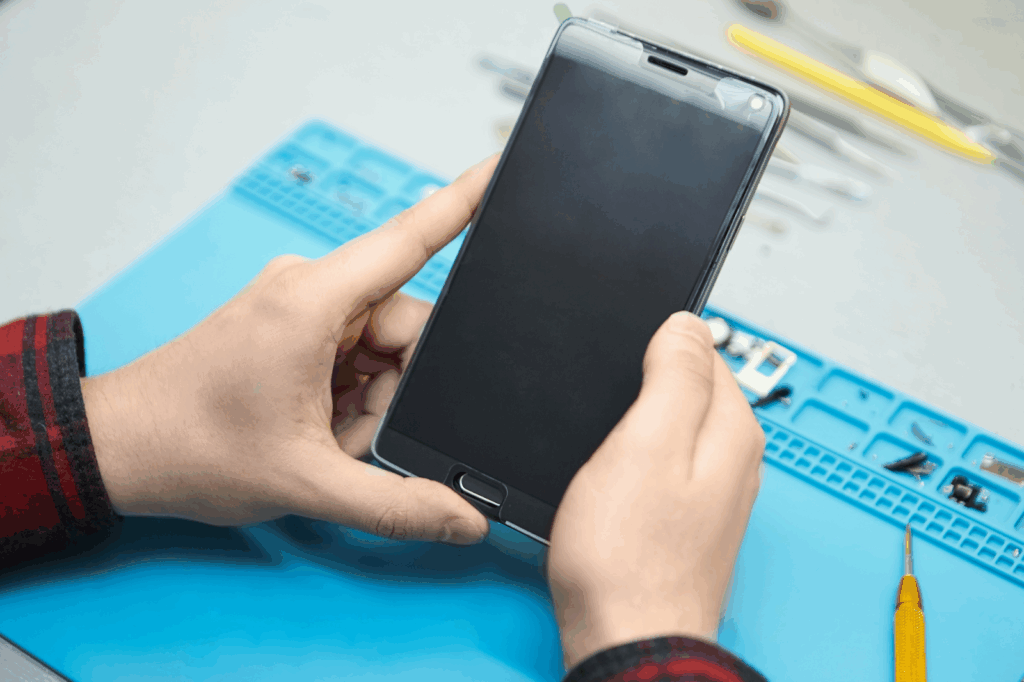
For repair technicians and B2B wholesalers, it’s best to use light-adhesion films rather than strong tempered glass protectors on already cracked screens. These films provide temporary protection without bonding too firmly. The result? Easy screen removal or replacement later on.
Alternative Solutions for a Cracked Phone Screen
1. Full Screen Replacement
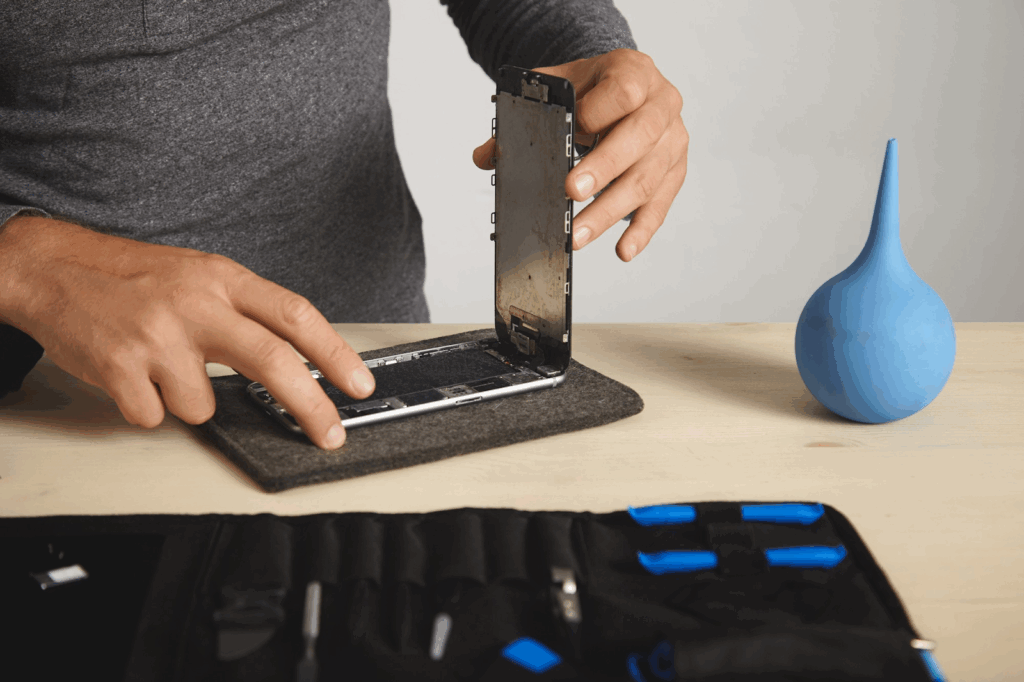
When a device has visible screen cracks, compromised touch sensitivity, or internal damage showing (such as black spots or lines), the best long‑term fix is a full screen replacement.
A new display helps you ensure both aesthetics and functionality. Everything is brand-new, you don’t have to worry about glass shards, trapped dust or moisture, or further propagation of screen cracks.
For repair businesses and wholesalers, choosing high‑quality parts matters: Original Equipment Manufacturer (OEM) screens and high‑quality aftermarket displays offer superior color accuracy, brightness, and touch responsiveness. If you’re handling bulk orders, partner with a reliable wholesale display provider. You can source reliable replacements quickly and avoid inventory delays.
2. Screen Refurbishing Services
If the damage is limited to the outer glass and the LCD and touchscreen digitiser are intact, you can offer a screen refurbishment rather than full replacement. This involves safely removing the cracked outer glass, polishing it, or replacing it. You will, then, vacuum‑seal and reseal the assembly.
Screen refurbishing makes sense when:
- The touchscreen is still working
- There are no dead pixels
- There are no backlight issues
- The customer wants a cost-effective option
Before you say yes to the customer, let them know that this is a refurbish, not a brand‑new screen replacement. The durability may be slightly less than a full OEM replacement, and the actual screen remains vulnerable if the underlying damage worsens.
3. Temporary Fixes for End Users
For devices with minor cracks or surface-level damage, temporary fixes can help users keep their phones functional and safe until a proper screen replacement is possible.
One common solution is applying clear packing tape or a plastic screen protector over the cracked area. This helps hold loose glass fragments in place, prevents further scratches, and reduces the risk of sharp edges cutting fingers. A durable protective case can also absorb shocks and minimize the chance of the cracks spreading if the phone is dropped again.
Professional Recommendation for Repair Stores & Wholesalers
We get it – every other customer wants to know whether a screen protector can serve as a fix. There is no one fixed answer to this question, and handling it correctly is important for strengthening customer trust. The key is knowing when to suggest temporary measures versus recommending a direct replacement. Let us help you out:
When to Recommend Temporary Solutions
Temporary solutions, such as light-adhesion films, clear packing tape, or plastic screen protectors, are best suggested for minor, surface-level cracks or when the customer is waiting for replacement parts to arrive. They can help prevent further damage, keep the device phone safe, and maintain touchscreen usability in the short term.
Just make it clear that these are stopgap measures designed to protect the actual screen temporarily, not to fix the underlying screen damage.
When to Recommend Direct Replacement
For deep cracks, shattered screens, or when the LCD or touch functionality is affected, the only reliable solution is a full screen replacement. Using OEM or high-quality aftermarket screens ensures better display clarity, touch response, and overall durability. This approach minimizes repeat issues and ensures the device remains fully functional.
Why Explain Limitations to Customers?
Clear communication is critical. Customers should understand that a screen protector over a cracked screen is not a repair — it only adds temporary protection.
You should also recommend the usage of high-quality tempered glass protectors. Explain the iPhone screen replacement cost breakdown and emphasize how choosing the durable option is important. This will help extend the lifespan of a screen.
Want to ensure the highest-quality solutions for your customers? Order reliable OEM and aftermarket screens from SQLCD.com.
FAQs
Will a screen protector stop my screen from cracking more?
A screen protector can slow down crack progression for minor hairline fractures, but cannot stop cracks completely. It provides temporary protection but is not a replacement for professional screen repair or replacement.
Can I use a screen protector if my phone screen is shattered?
Applying a protector to a shattered screen is risky. Loose glass and uneven surfaces can cause air gaps, reduce touch sensitivity, and increase the risk of injury. Temporary protection is possible, but professional screen replacement is strongly recommended.
Is it worth applying a screen protector before repair?
Yes, in some cases. A screen protector can prevent further damage, keep dust and debris out, and make the device safer to handle until a replacement screen is installed. It’s a short-term solution, not a fix.
What’s the best way to fix a cracked screen professionally?
The most reliable solution is a full-screen replacement using OEM or high-quality aftermarket parts.
Conclusion
In summary, while you can apply a screen protector over a cracked screen as a temporary measure, it is not a substitute for proper screen repair or replacement. Protectors can help prevent further damage and keep the device safe, but they cannot restore full functionality or stop cracks from spreading.
For repair shops, wholesalers, and B2B partners, the best course of action is to replace or repair the display using OEM or high-quality aftermarket parts. This will not only ensure customer satisfaction but also help you stand out.
Explore iPhone and Android replacement screens in bulk at SQLCD.com.