
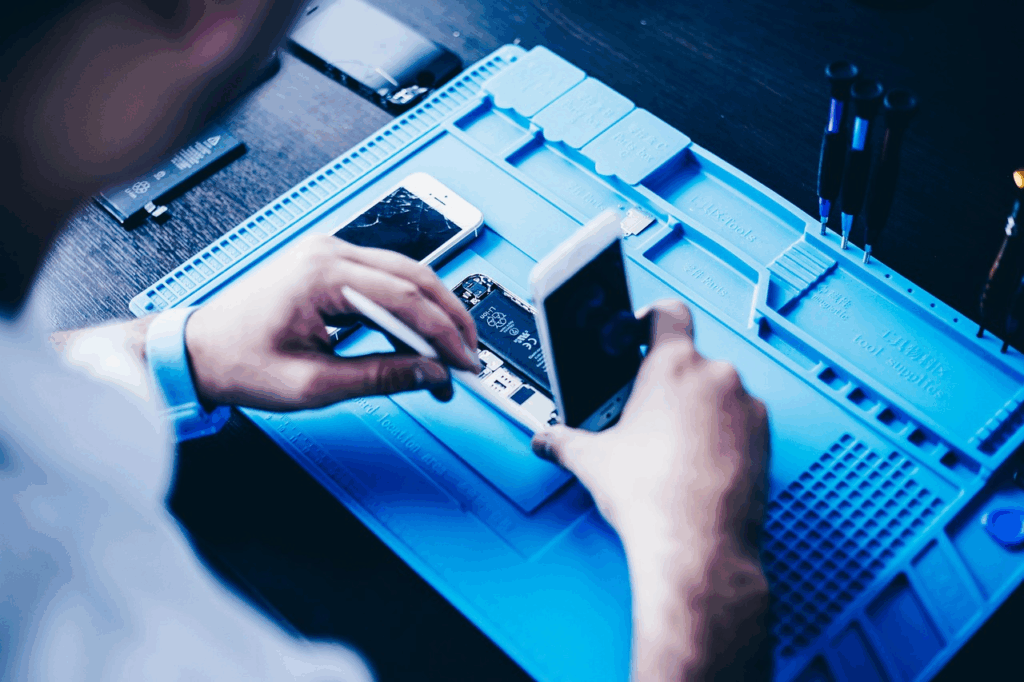
Smartphone displays have come a long way, but the names can still be confusing. TFT, LCD, and OLED are often used like marketing labels, even though they are very different display technologies. If you’ve ever wondered why one phone looks sharper in sunlight, another saves more battery, or why some screens suffer from burn-in, the answer usually starts with the display.
At a technical level, LCD screens rely on liquid crystal molecules and a backlight to produce images, while OLED displays use organic compounds where each pixel emits its own light. TFT, or thin-film transistor, isn’t a separate display type at all. It’s a control layer used inside most modern LCD technology to manage individual pixels and improve image quality.
For smartphone users, repair shops, and resellers, these differences matter. Brightness, contrast ratio, power consumption, lifespan, and replacement cost all vary. Understanding how TFT LCD and OLED screens actually work helps you choose the right display for performance, battery life, and long-term value.
What Are TFT, LCD, and OLED Displays?
One reason many articles fail to explain smartphone displays properly is simple terminology confusion. LCD, TFT, and OLED are often treated as competing technologies, when in reality, they relate to different layers and methods of image creation. Clearing this up is key to understanding real-world performance, repair choices, and cost differences.
What Is LCD Technology?
LCD stands for liquid crystal display. In LCD technology, liquid crystal molecules sit between glass layers and control how light passes through them. On their own, these crystals do not emit light. That’s why all LCD displays require a backlight, usually an LED backlight, to illuminate the screen.
When electric current passes through the liquid crystal, it changes alignment, allowing or blocking light to form images. Color is created using RGB color filters. Image quality, brightness, viewing angles, and power consumption depend heavily on the quality of the backlight and the control method used to manage pixels.
What Is TFT LCD?
TFT LCD is not a separate display technology—it is a subtype of LCD. TFT stands for thin-film transistor, an active matrix technology placed behind the liquid crystal layer. Each pixel is controlled by its own transistor, allowing faster response times, higher brightness, better color accuracy, and improved contrast compared to older passive-matrix LCDs.
Because of this active control, TFT LCDs dominate smartphone and computer monitor markets, especially in budget and mid-range devices. Variants like IPS technology further improve viewing angles and picture quality, making TFT LCD a practical balance of performance, durability, and cost for display modules and replacements.
What Is OLED Display Technology?
OLED stands for organic light-emitting diode. Unlike LCD, OLED pixels emit light themselves when electric current passes through organic materials. There is no backlight. Each individual pixel turns on or off independently, enabling infinite contrast, true blacks, wider color gamut, and lower energy consumption when displaying static images or dark content.
AMOLED is simply an active-matrix OLED, using thin-film transistors for precise pixel control. In smartphones, OLED displays tend to deliver higher contrast and better viewing angles, but they also introduce burn-in risks and higher replacement costs compared to TFT LCD screens.
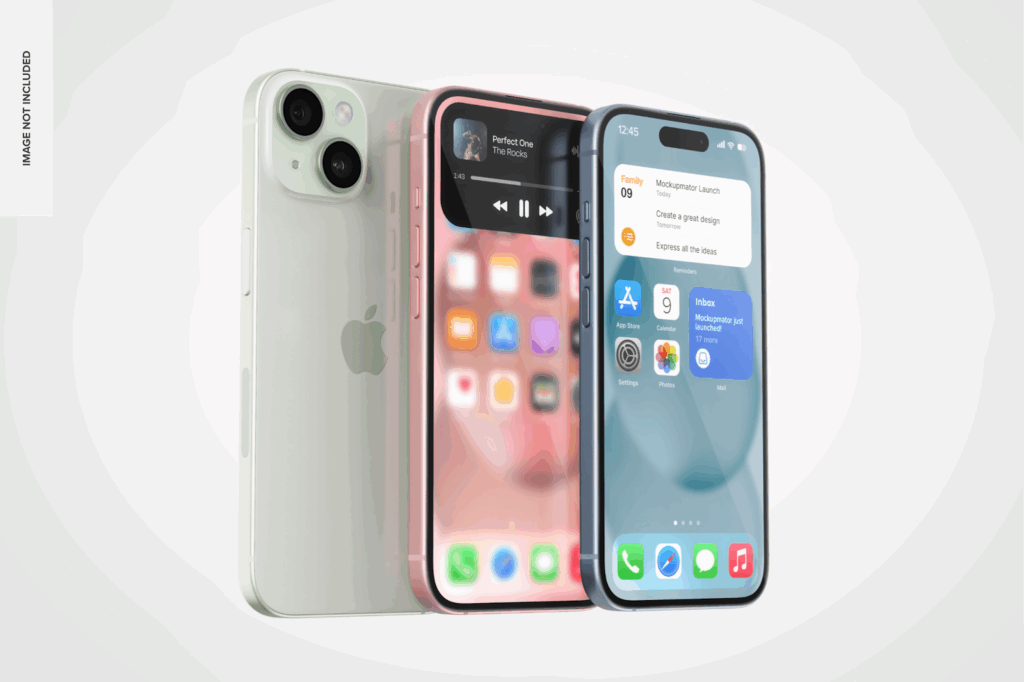
Difference Between TFT LCD and OLED
Understanding the difference between TFT LCD and OLED starts with how these display technologies are built and how they handle light, color, and power in real smartphone use. While both are widely used, their structure leads to very different performance outcomes.
Display Structure Comparison
A TFT LCD uses a liquid crystal display layer controlled by thin-film transistors. Each pixel is managed electrically, but it does not produce light. Instead, the entire screen is illuminated by LCD backlights, usually LED-based. The liquid crystal molecules simply block or allow light to pass.
An OLED display works differently. Each OLED pixel emits its own light when electric current passes through organic compounds. There is no backlight. This self-emissive structure allows individual pixels to turn completely off, which directly impacts contrast, energy efficiency, and design flexibility.
Brightness and Color Performance
In bright environments and direct sunlight, TFT LCDs often achieve higher maximum brightness because the backlight illuminates the entire screen consistently. Modern IPS technology improves viewing angles and color accuracy, making TFT LCDs reliable for long viewing periods.
OLED screens, however, deliver a much higher contrast ratio, including true blacks and richer colors. Because pixels emit light independently, OLED technology produces deeper contrast, wider color gamut, and stronger perceived image quality, especially in darker scenes.
Power Consumption
Power usage differs by content. TFT LCDs consume relatively constant power because the backlight stays on, regardless of what’s displayed. OLED displays tend to use less power with dark content, since black pixels draw almost no energy. With bright or white screens, OLED energy consumption can increase and sometimes exceed LCD.
Thickness and Flexibility
TFT LCDs are generally rigid due to their layered structure and backlight. OLED displays are thinner, lighter, and flexible. This is why OLED enables curved screens, foldables, and edge-to-edge smartphone designs that LCD technology cannot support easily.

TFT vs OLED vs LCD
| Feature | TFT LCD | Standard LCD | OLED |
| Backlight | Yes | Yes | No |
| Contrast | Medium | Medium | Very High |
| Power Use | Higher | Higher | Lower (dark UI) |
| Burn-in Risk | No | No | Possible |
| Cost | Low | Low | Higher |
| Lifespan | Stable | Stable | Depends on usage |
OLED vs LCD for Smartphones – Which Is Better?
When comparing OLED vs LCD for smartphones, the answer depends less on specs and more on how the display behaves in daily use. Both display technologies have strengths that affect user experience, battery life, and long-term reliability.
User Experience Differences
From a user perspective, OLED screens often feel more “premium.” Self-emissive pixels create higher contrast, deeper blacks, and more immersive visuals for videos, games, and streaming. This makes media consumption more engaging, especially in low-light environments. OLED displays also handle animations smoothly, as individual pixels respond instantly to electric current.
TFT LCD displays focus on consistency. With uniform backlighting and stable brightness, they provide comfortable viewing for extended periods. IPS LCD panels offer good viewing angles, accurate RGB color reproduction, and predictable image quality, which some users prefer for reading, browsing, and professional tasks.
Battery Life Considerations
Battery behavior is one of the biggest differences. OLED displays tend to be more energy efficient with dark mode or static images, because black pixels emit no light and draw almost no power. This can improve battery life on modern smartphones that heavily use dark interfaces.
LCD screens consume steady power because the LED backlight stays on, regardless of content. While they don’t benefit from dark mode, their power consumption is stable and predictable, which can be advantageous in certain usage patterns and long viewing sessions.
Durability and Long-Term Use
Burn-in is often associated with OLED, but it’s more nuanced. Burn-in occurs after extended periods of static images at high brightness. Modern OLED technology includes pixel shifting and software mitigation, reducing risk, but it’s not eliminated entirely.
TFT LCDs do not suffer burn-in. Instead, they age through backlight degradation, which slowly reduces brightness over time. For long-term durability and lower replacement risk, many users and repair shops still favor LCD technology.
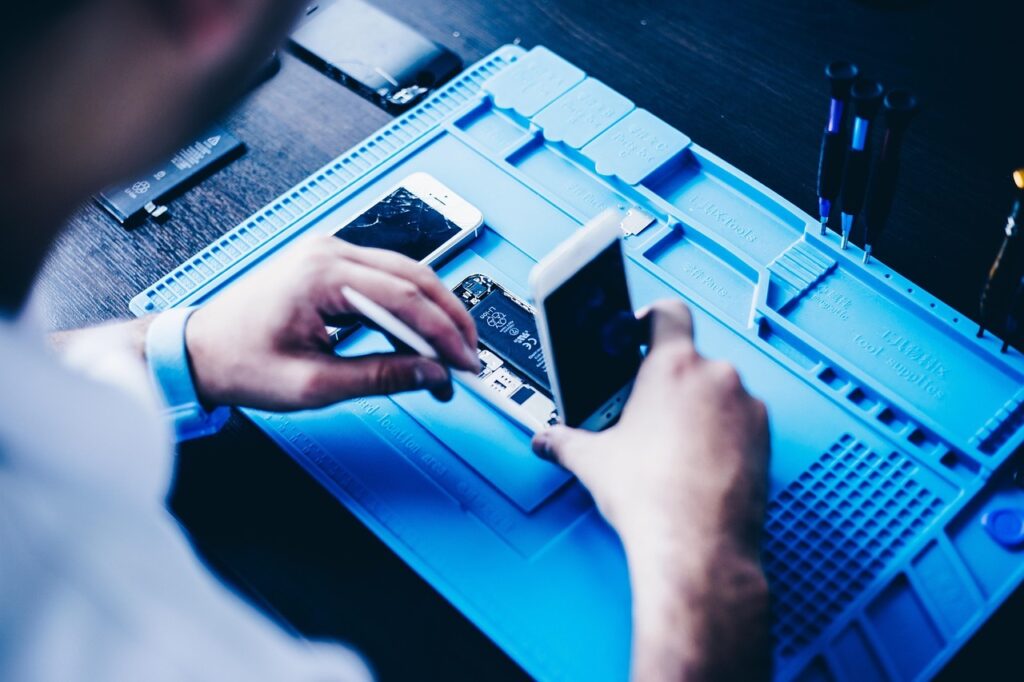
TFT vs OLED – Which Is Better for Phone Screen Replacement?
For repair shops and wholesalers, the TFT vs OLED decision is less about visual perfection and more about cost control, durability, and customer expectations. Replacement screens must balance performance with long-term reliability and return risk.
Cost vs Performance Trade-Off
TFT LCD replacement screens are significantly more affordable than OLED display modules. This lower cost allows repair businesses to offer competitive pricing while protecting margins. For many customers, especially those using older or mid-range phones, the visual difference between a quality TFT LCD and OLED is acceptable when the price gap is explained clearly.
OLED replacements deliver higher contrast, thinner profiles, and better perceived image quality. However, higher part costs and labor sensitivity require careful pricing strategies. OLED repairs are often chosen when customers expect original-like visuals and are willing to pay a premium.
Failure Rate & Return Risk
OLED displays are more fragile. The organic materials and thin structure increase the risk of damage during installation and everyday use. Cracks, pixel failure, and touch issues contribute to higher return rates, especially with low-quality aftermarket panels.
TFT LCD screens are more durable. Their rigid structure and mature LCD technology reduce failure rates and make them more forgiving during repairs. This durability translates into fewer callbacks and lower warranty exposure.
Availability for Different Phone Models
Many smartphones are still designed around LCD technology, especially entry-level and mid-range devices. TFT LCD replacements are widely available across models and generations. OLED screens are essential for OLED-based phones, but availability varies by quality tier.
Aftermarket trends show growing OLED demand, but TFT remains dominant for cost-sensitive repairs and high-volume replacements.
Advantages and Disadvantages of OLED vs LCD
When comparing the advantages of OLED vs LCD, it’s important to look beyond marketing claims and focus on real-world performance, cost, and long-term behavior. Both display technologies offer clear benefits, but they also come with trade-offs that matter for users and repair professionals alike.
OLED Advantages
OLED displays are known for true blacks and infinite contrast. Because each pixel emits its own light, black areas of the screen are completely off, improving picture quality and depth. This self-lighting design also allows OLED displays to be more energy efficient when showing dark content or static images.
Visually, OLED screens deliver a premium look. Rich colors, wide color gamut, and excellent viewing angles make OLED technology ideal for media consumption, gaming, and modern smartphone designs, including curved and edge-to-edge screens.
OLED Disadvantages
Despite their strengths, OLED displays have limitations. Burn-in risk is the most discussed issue. While modern mitigation techniques reduce it, long-term display of static images at high brightness can still cause uneven pixel aging.
OLED panels are also more expensive to manufacture and replace. Repair complexity is higher due to fragile organic materials and thin display layers, increasing installation risk and return rates for repair shops.
LCD / TFT Advantages
TFT LCD displays remain cost-effective and widely available. They do not suffer from burn-in, making them reliable for extended use and static content. LCD technology provides stable brightness, predictable power consumption, and durable display modules, which is why TFT LCD screens continue to dominate budget, mid-range, and high-volume phone repairs.
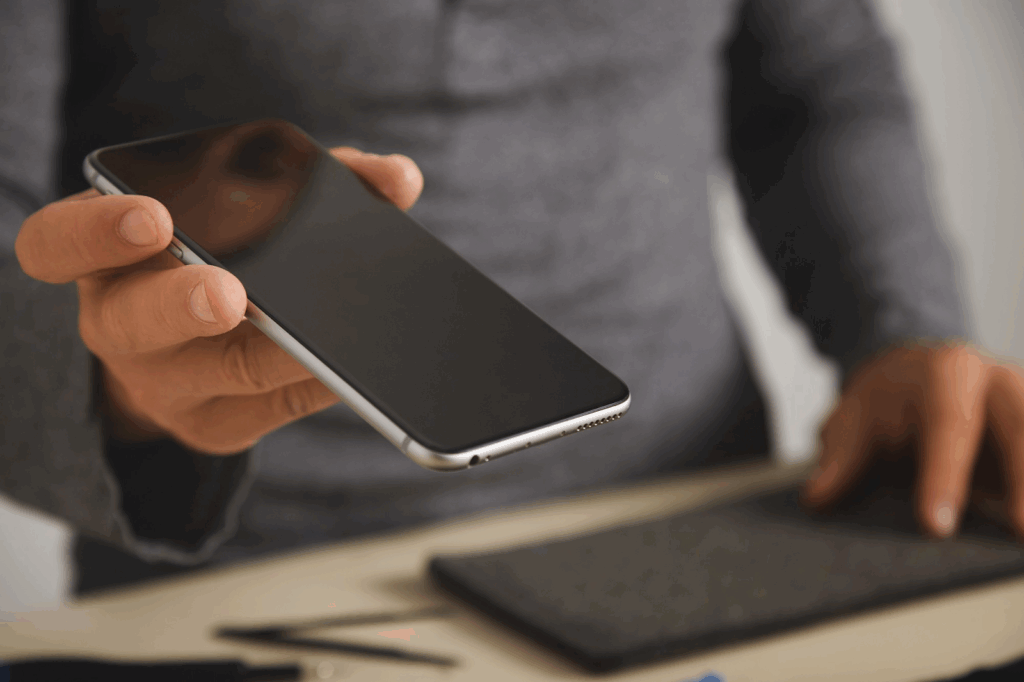
How to Choose the Right Display Type for Your Business
Choosing the right display type is critical for repair shops and wholesalers. The decision depends on device type, customer expectations, and after-sales risk.
For repair shops: TFT LCD screens are ideal for budget and mid-range phones. They are cost-effective, durable during installation, and reduce return rates. OLED screens are better suited for premium devices where customers expect higher contrast and a thinner profile. Always explain the price difference to manage expectations.
Key considerations for stocking and service:
- Stock TFT LCDs for high-volume models and older devices
- Keep OLED displays for flagship phones and newer models
- Segment customers into budget vs premium repairs
- Match display type to phone model to reduce after-sales issues
Why Display Quality Matters When Sourcing TFT, LCD, or OLED Screens
Not all display modules are created equal. Panel grade directly affects performance, reliability, and lifespan. Low-quality panels may suffer from dim areas, color inaccuracy, or early failure, increasing return risk.
Important quality factors:
- Brightness consistency: Weak LCD backlights or aging OLED pixels reduce image quality
- Color calibration: Accurate RGB color improves media experience and customer satisfaction
- Lifespan: High-quality TFT LCDs maintain stable brightness; premium OLEDs minimize burn-in risk
Sourcing reliable displays ensures stable performance, fewer warranty claims, and a stronger reputation with customers.
Why Repair Shops and Wholesalers Choose SQLCD
SQLCD is trusted by repair shops and wholesalers because display quality and supply reliability matter. Their modules are OEM-grade, designed for real-world smartphone repairs.
What sets SQLCD apart:
- Strict quality control: pixel inspection, brightness checks, touch responsiveness
- Bulk supply stability: consistent quality for high-volume orders
- B2B technical support: guidance on display selection, installation tips, and troubleshooting
- Lower defect rates: fewer returns, higher customer satisfaction
With SQLCD, businesses get durable, high-quality displays and professional support, making repairs smoother and inventory management more efficient.
Get started with SQLCD.com today and upgrade your inventory with displays that meet real-world smartphone repair standards
FAQ
Is TFT better than OLED?
TFT LCD isn’t inherently better—it’s a subtype of LCD. TFT offers durability, consistent brightness, and lower replacement costs, making it ideal for budget phones and high-volume repairs. OLED delivers higher contrast, richer colors, and flexibility but comes at higher cost and slightly higher risk of burn-in.
Why are OLED screens more expensive?
OLED displays use organic materials where each pixel emits its own light. Manufacturing these thin, self-emissive panels is more complex than producing TFT LCDs with backlights. Premium image quality, higher contrast, and flexible form factors also contribute to the higher cost for OEM and aftermarket replacements.
Does OLED always save battery?
Not always. OLED can save battery with dark content or interfaces because black pixels use almost no power. However, bright or mostly white screens can consume more energy than TFT LCDs, which maintain stable backlight power regardless of content.
Can LCD replace OLED in phones?
For some phones, yes, especially budget or mid-range models. However, flagship devices designed for OLED often require precise pixel control, thinner profiles, and flexible screens, making LCD a less ideal substitute without compromising contrast and design.
Which display lasts longer?
TFT LCDs generally last longer due to stable backlights and durable construction. OLED screens may experience pixel aging and burn-in over extended periods, though modern OLED panels with proper usage last many years. Lifespan also depends on display quality and usage patterns.
Conclusion
For everyday smartphone users, OLED is ideal for immersive visuals, deep blacks, and premium media experiences. Budget-conscious users or older phones benefit from TFT LCDs, offering durability, stable brightness, and lower replacement cost.
For repair businesses and wholesalers, TFT LCDs provide lower risk, easier repairs, and high availability, while OLED screens meet premium device demand with higher quality and more complex installation.
Professional recommendation? Stock a mix of TFT LCDs for volume repairs and OLEDs for flagship models. This strategy ensures cost efficiency, customer satisfaction, and smooth operations across all phone types.