
When choosing a smartphone or replacement screen, display quality is one of the most important factors. One technology you’ll often encounter is the IPS display. Known for its excellent color accuracy and wide viewing angles, IPS has become a popular choice for smartphones, tablets, and computer monitors.
In this guide, we’ll explain what an IPS display is, how it works, and compare IPS display vs LCD and OLED to help repair professionals, wholesalers, and consumers make informed decisions.
What Is an IPS Display?
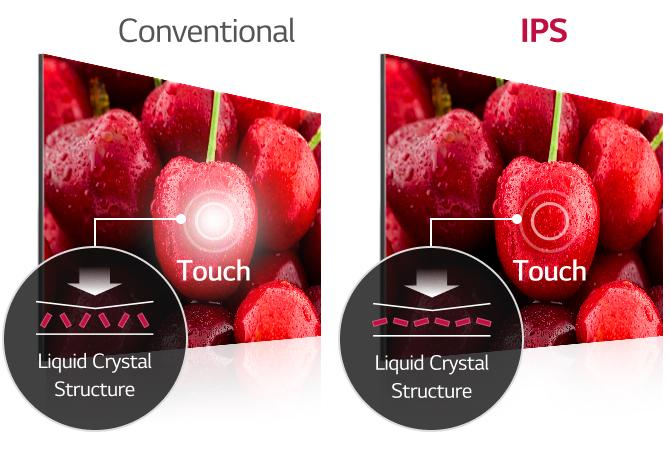
IPS (In-Plane Switching) is an advanced type of LCD (Liquid Crystal Display) technology. Unlike traditional TFT LCD panels, an IPS screen aligns liquid crystals parallel to the display surface, allowing light to pass through more consistently.
This design offers several advantages:
- Wide viewing angles (up to 178°)
- Accurate color reproduction
- Improved brightness consistency
- Better image quality from different angles
- Reduced color shifting
Because of these benefits, IPS displays are widely used in premium LCD smartphones and professional monitors.
How Does an IPS Display Work?
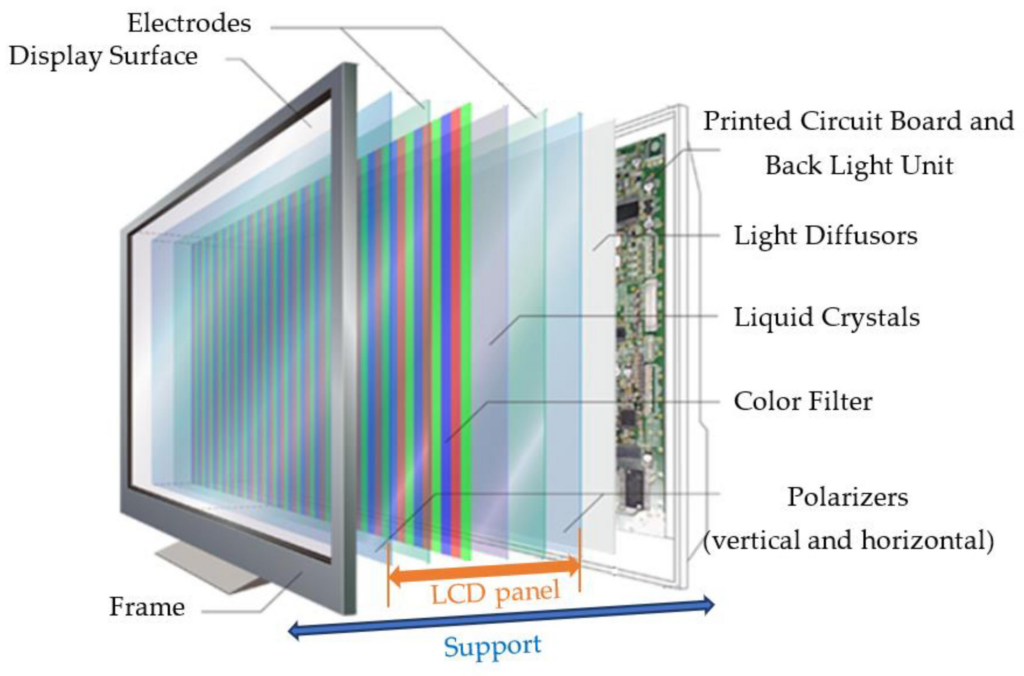
An IPS display uses a backlight to illuminate liquid crystal cells. Instead of twisting vertically like conventional LCD panels, the liquid crystals rotate horizontally within the same plane when voltage is applied.
This horizontal movement improves light transmission and minimizes color distortion when viewing the screen from different angles.
The result is:
- More natural colors
- Better contrast consistency
- Clearer images
- Excellent viewing performance
IPS Display vs LCD
Many people ask whether IPS is different from LCD. The answer is simple: IPS is a type of LCD technology.
| Feature | Traditional TFT LCD | IPS LCD |
|---|---|---|
| Viewing Angle | Narrow | Wide |
| Color Accuracy | Standard | Excellent |
| Brightness Consistency | Moderate | High |
| Color Shift | Noticeable | Minimal |
| User Experience | Good | Better |
Compared with standard TFT LCD panels, IPS displays deliver a noticeably better visual experience.
IPS Display vs OLED
While IPS is one of the best LCD technologies, OLED remains the premium display option for many flagship smartphones.
| Feature | IPS LCD | OLED |
|---|---|---|
| Viewing Angle | Excellent | Excellent |
| Contrast | High | Outstanding |
| Black Levels | Good | Perfect |
| Burn-in Risk | None | Possible |
| Replacement Cost | Lower | Higher |
For repair shops and wholesalers, IPS replacement screens offer an excellent balance between performance and affordability.
Why Repair Shops Choose IPS Screens
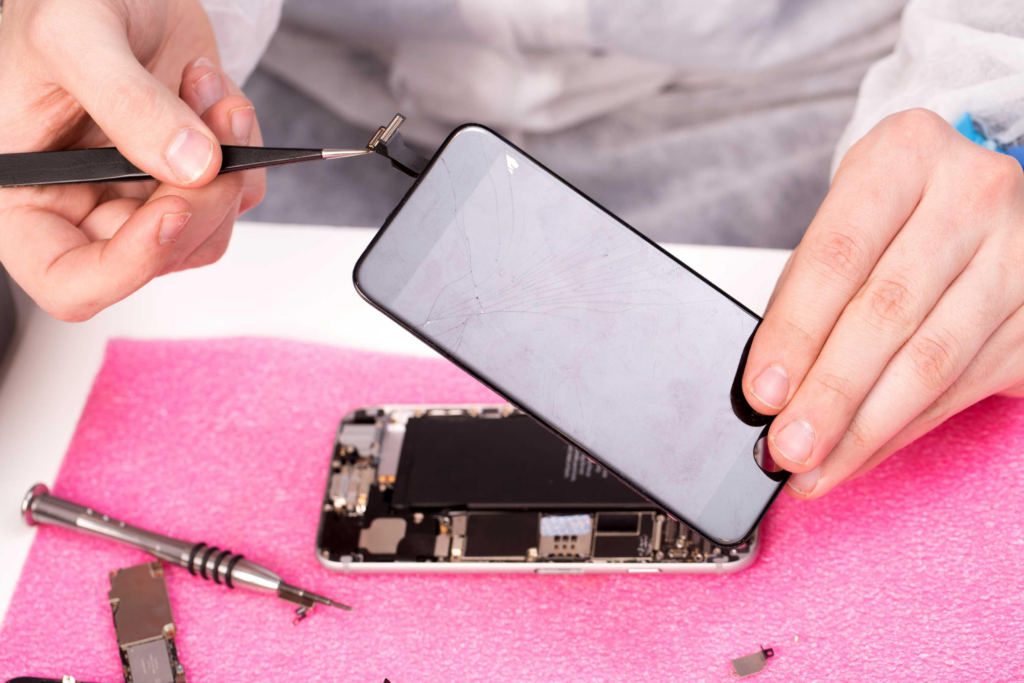
Professional repair businesses frequently recommend IPS displays because they provide reliable performance at a competitive price.
Key advantages include:
- Excellent viewing angles
- Bright, accurate colors
- Stable touch performance
- Lower replacement costs
- High compatibility with many smartphone models
When sourced from trusted manufacturers, premium IPS replacement screens deliver a user experience close to the original display.
Choosing a High-Quality IPS Replacement Screen
Not all IPS screens are manufactured to the same standard. Before purchasing, consider:
- Brightness levels
- Color accuracy
- Touch responsiveness
- Viewing angle consistency
- Display durability
- Warranty support
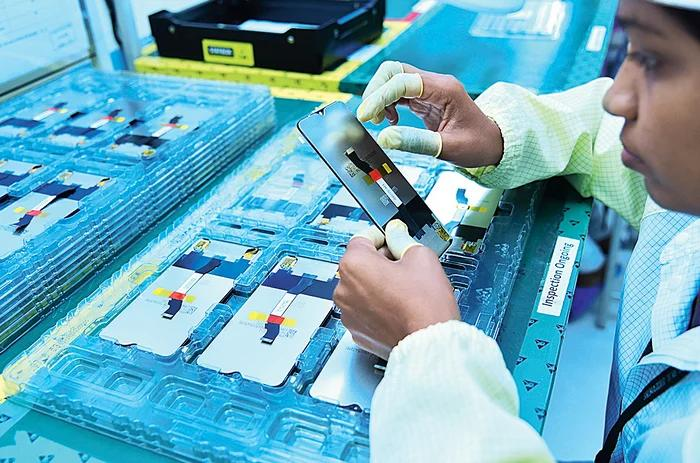
High-quality OEM-grade or premium aftermarket IPS screens reduce warranty claims and improve customer satisfaction.
Conclusion
An IPS display is one of the most advanced LCD technologies available, offering superior viewing angles, accurate colors, and consistent brightness compared with traditional LCD panels. Although OLED delivers deeper blacks and higher contrast, IPS remains an excellent choice for smartphones, replacement screens, and professional repair businesses thanks to its affordability and reliable performance.
For phone repair shops, wholesalers, and distributors, selecting premium IPS replacement displays ensures dependable repairs and long-term customer satisfaction.