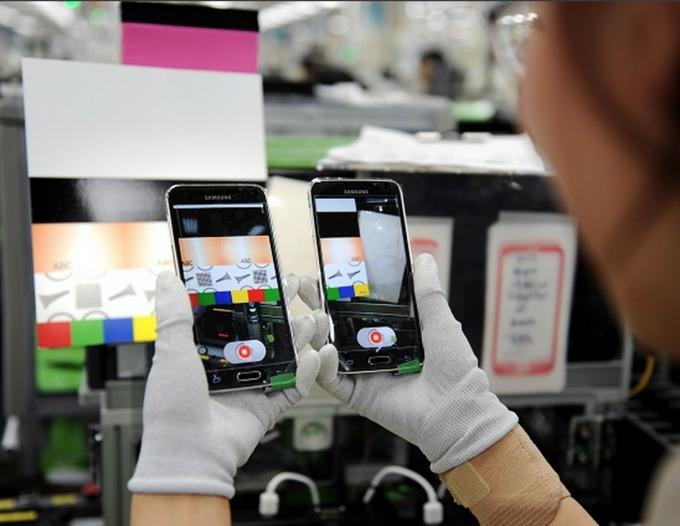
The LCD viewing angle is an important factor that affects how a smartphone screen looks when viewed from different positions. Whether you’re choosing a new phone, replacing a damaged display, or sourcing replacement screens for your repair business, understanding viewing angles can help you make a better decision.
In this guide, we’ll explain LCD screen viewing angle, compare LCD vs OLED viewing angle, and show why display quality matters for users, repair shops, and wholesalers.
What Is LCD Viewing Angle?
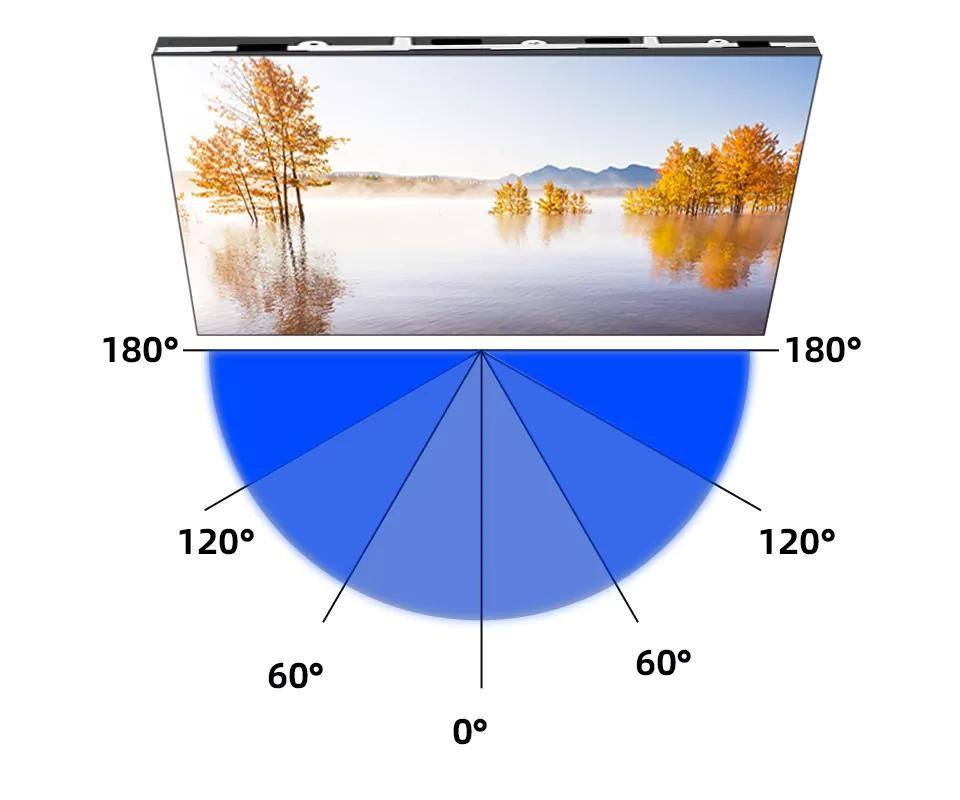
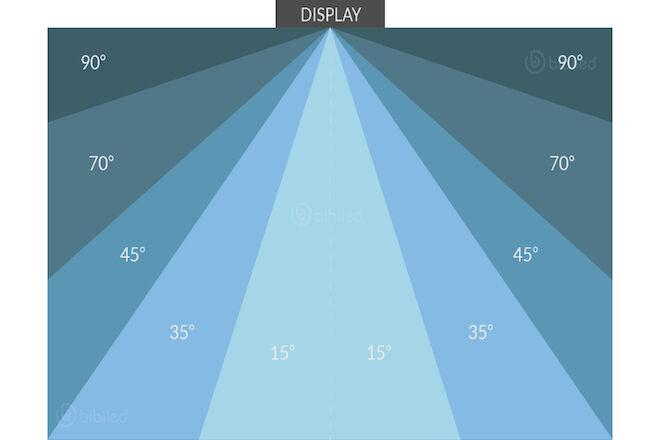
The viewing angle of an LCD screen refers to the maximum angle from which the display can be viewed while maintaining acceptable brightness, color accuracy, and contrast.
A high-quality smartphone display typically offers viewing angles close to 178°, allowing users to see clear images even when looking from the side.
Poor viewing angles can cause:
- Washed-out colors
- Lower brightness
- Reduced contrast
- Color shifting
- Image distortion
Why Viewing Angle Matters
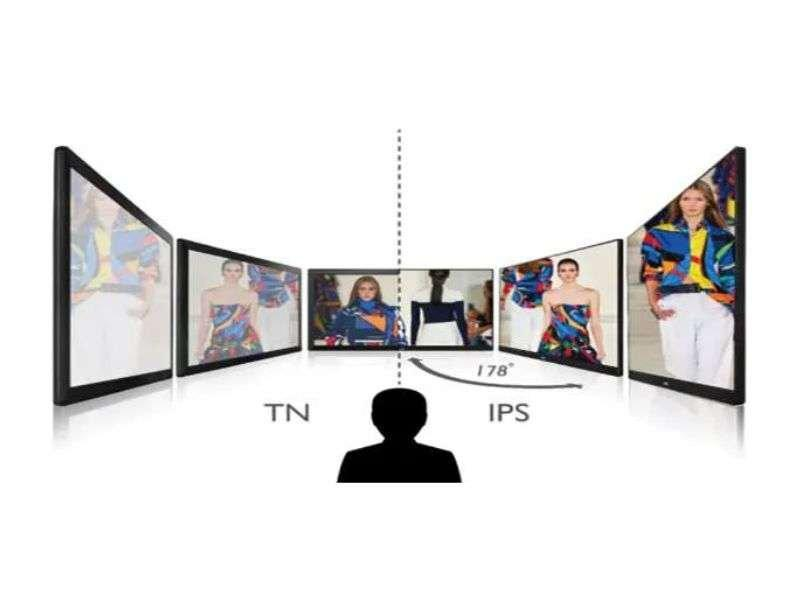
A wide viewing angle improves the overall user experience by keeping colors and brightness consistent from different positions.
Good viewing angles are especially important for:
- Watching videos
- Gaming
- Video conferencing
- Sharing content with others
- Outdoor smartphone use
For repair professionals, viewing angle is also a quick indicator of display quality when testing replacement screens.
LCD Screen Viewing Angle Explained
Not all LCD displays perform the same.
TFT LCD
Traditional TFT LCD panels often show noticeable color and brightness changes when viewed from the side.
IPS LCD
IPS (In-Plane Switching) technology significantly improves viewing angles by keeping liquid crystal molecules aligned more effectively.
Benefits include:
- Better color accuracy
- More consistent brightness
- Reduced color shift
- Improved image quality
This is why IPS LCDs are commonly used in higher-quality smartphones.
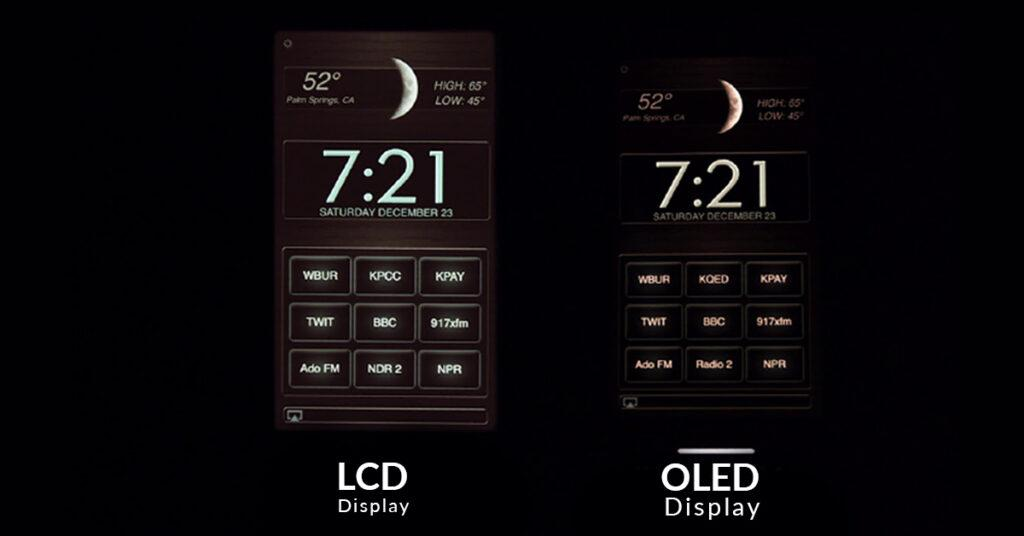
LCD vs OLED Viewing Angle
| Feature | LCD | OLED |
|---|---|---|
| Viewing Angle | Very Good (IPS) | Excellent |
| Contrast | Good | Outstanding |
| Black Levels | Good | Perfect |
| Color Shift | Slight | Minimal |
| Premium Experience | Good | Excellent |
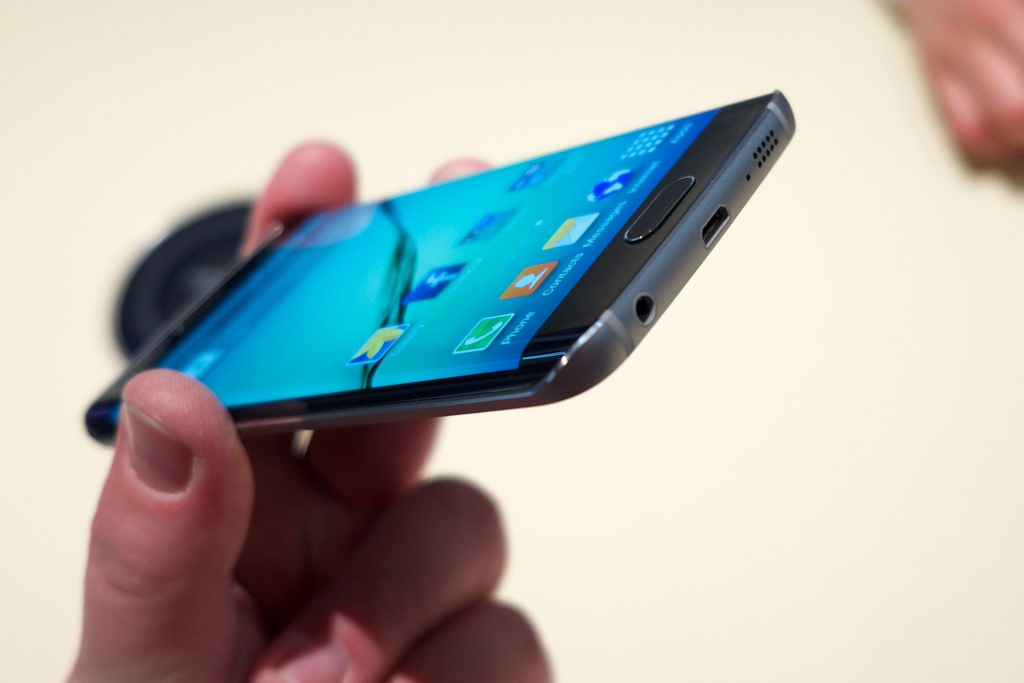
OLED displays generally provide superior viewing angles because each pixel produces its own light. Even when viewed from sharp angles, colors remain vivid and blacks stay deep.
IPS LCD displays, however, offer excellent viewing performance at a more affordable cost, making them popular for many smartphones and replacement screens.
Choosing the Right Display for Screen Replacement
For phone repair shops and wholesalers, selecting the right replacement display depends on customer expectations and budget.
OLED is ideal for:
- Premium smartphone repairs
- Original display quality
- High-end devices
IPS LCD is ideal for:
- Cost-effective repairs
- Reliable performance
- Excellent viewing angles at lower prices
Both technologies can provide excellent user experiences when sourced from high-quality manufacturers.
Why Viewing Angle Is Important for Repair Shops
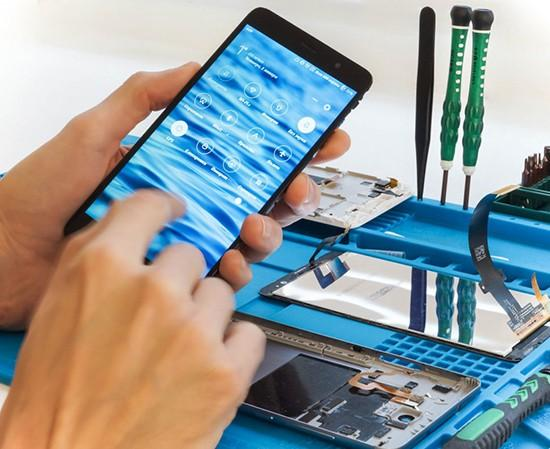
Professional repair businesses evaluate replacement screens based on several factors:
- Viewing angle consistency
- Brightness
- Touch responsiveness
- Color accuracy
- Dead pixel inspection
- Display durability
High-quality replacement screens reduce warranty claims and improve customer satisfaction.
Conclusion
Understanding LCD viewing angle helps consumers and repair professionals evaluate display quality beyond resolution and brightness. While OLED screens provide the widest viewing angles and the highest contrast, modern IPS LCD displays deliver impressive performance, excellent color consistency, and lower replacement costs.
For phone repair shops and wholesalers, offering both OLED and IPS LCD replacement screens ensures customers can choose the right balance of quality, performance, and budget for their devices.