
Modern smartphones rely on advanced touch screen technology to provide fast, accurate, and responsive interactions. Whether you’re a smartphone user, phone repair technician, or mobile parts wholesaler, understanding a touch screen diagram can help you better understand how phone displays work and what happens during a screen replacement.
This guide explains how touch screens work, compares LCD touch screen vs OLED touch screen, and introduces the key components inside a phone touch screen.
What Is a Phone Touch Screen?
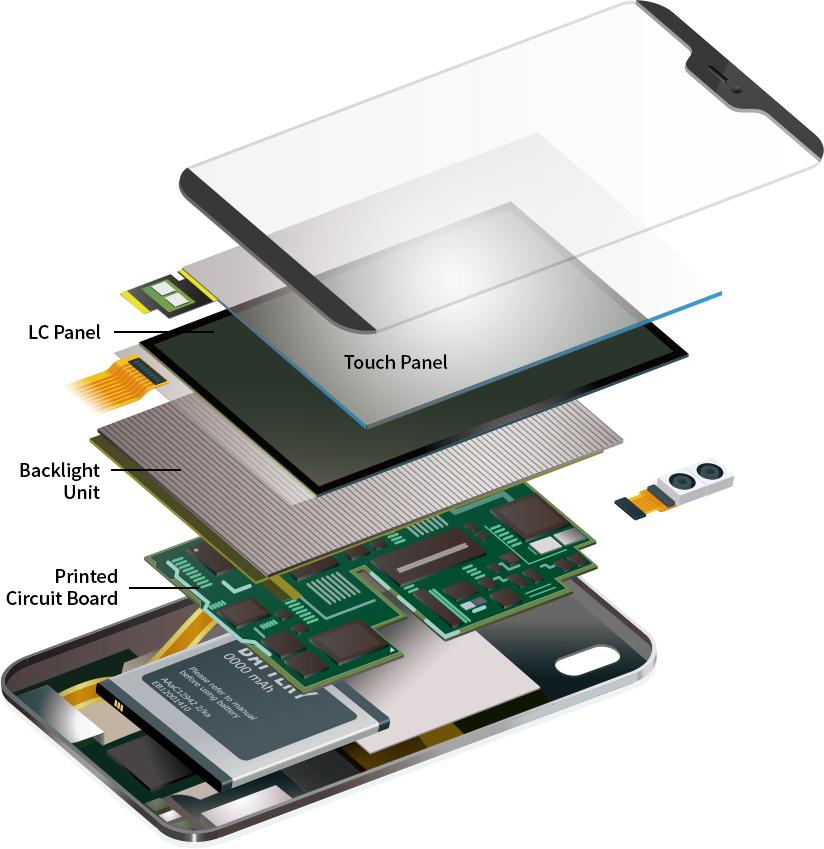
A phone touch screen combines the display and touch input system into one compact module. When you tap the screen, sensors detect your finger’s location and send the information to the phone’s processor, allowing you to interact with apps, games, and menus instantly.
Modern smartphones primarily use capacitive touch screens, which offer higher sensitivity and support multi-touch gestures.
Touch Screen Diagram: Main Components
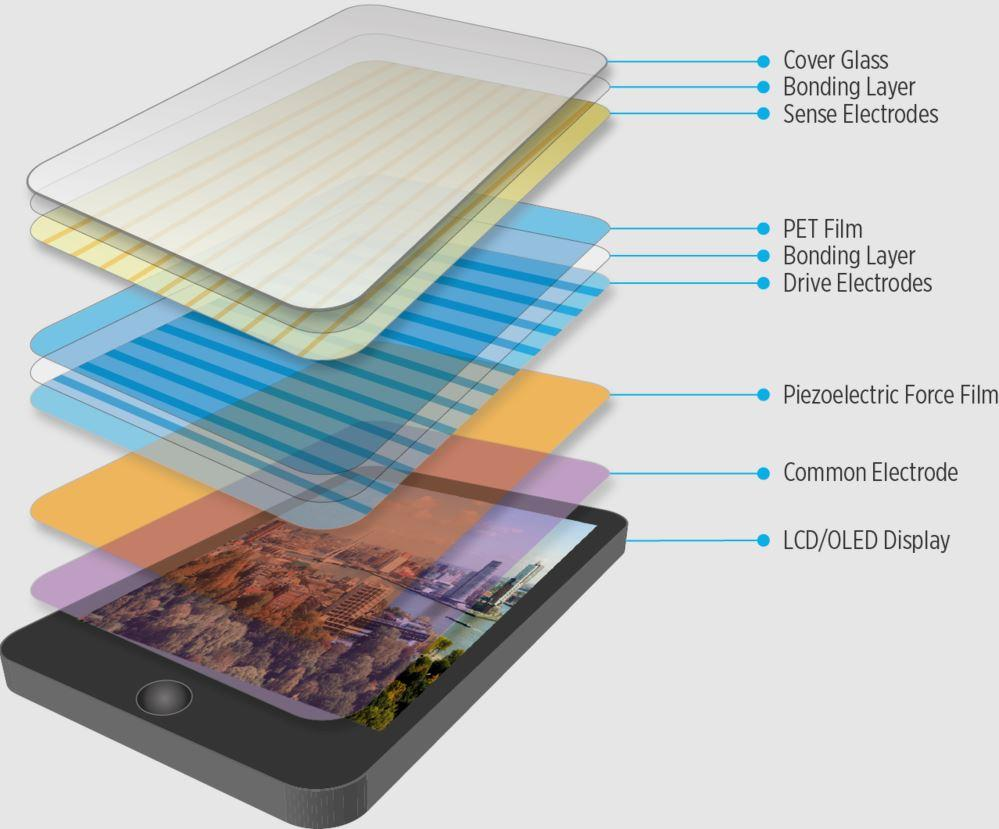
A typical smartphone touch screen consists of several layers:
- Cover Glass – Protects the display from scratches and impacts.
- Touch Digitizer – Detects finger touches using capacitive sensors.
- Optical Clear Adhesive (OCA) – Bonds the layers together while maintaining display clarity.
- Display Panel – LCD or OLED panel that produces images.
- Backlight (LCD only) – Illuminates the display.
- Flex Cable & Display IC – Connect the screen to the phone’s motherboard.
Each component plays an important role in ensuring clear visuals and accurate touch performance.

How Touch Screens Work
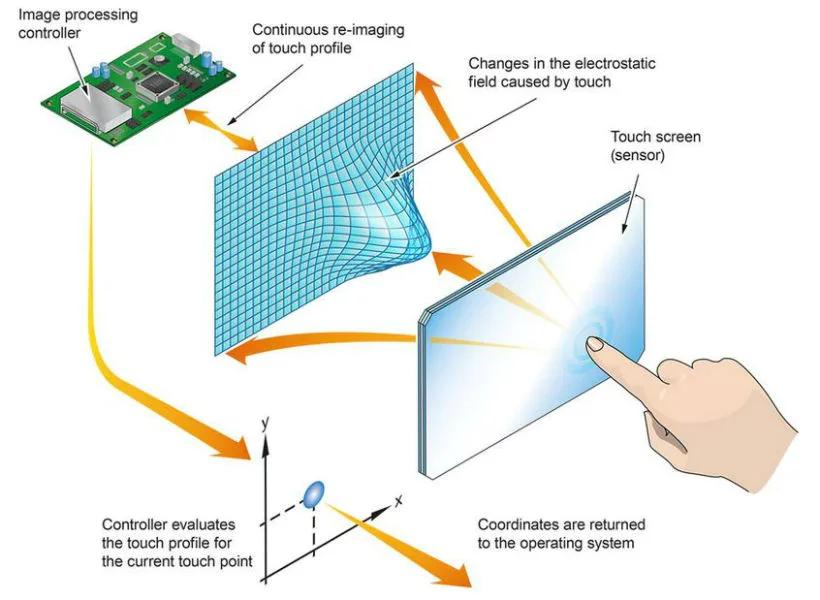
Capacitive touch screens detect tiny changes in electrical charge when your finger touches the glass.
The process is simple:
- Your finger touches the cover glass.
- The touch digitizer senses the change in capacitance.
- The touch controller calculates the touch location.
- The processor responds by opening an app, scrolling a page, or performing another action.
This technology enables fast, accurate, and smooth touch experiences.
LCD Touch Screen vs OLED Touch Screen
| Feature | LCD Touch Screen | OLED Touch Screen |
|---|---|---|
| Display Technology | LCD with Backlight | Self-Emissive Pixels |
| Thickness | Slightly Thicker | Thinner |
| Contrast | Good | Excellent |
| Black Levels | Good | Perfect |
| Repair Cost | Lower | Higher |
| Premium Experience | Good | Excellent |
OLED displays deliver richer colors and deeper blacks, while LCD screens remain a popular, affordable choice for smartphone repairs.
Common Phone Touch Screen Problems
Several issues can affect touch screen performance:
- Cracked cover glass
- Unresponsive touch areas
- Ghost touch
- Display flickering
- Water damage
- Loose display connectors
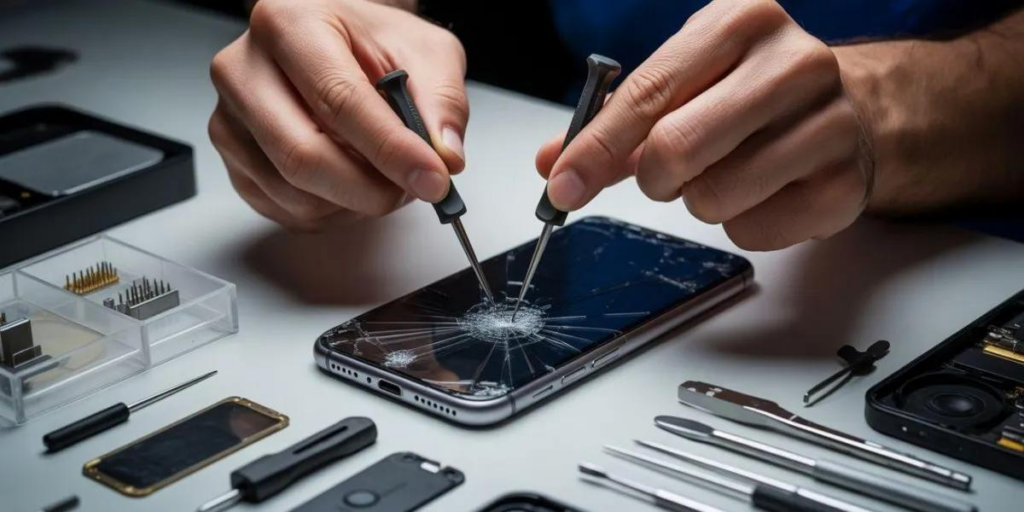
Professional technicians typically replace the complete display assembly to ensure reliable performance and reduce repair time.
Why Touch Screen Structure Matters for Repairs
For phone repair shops and wholesalers, understanding screen construction helps when selecting replacement parts.
Important considerations include:
- OEM or aftermarket display quality
- LCD vs OLED replacement options
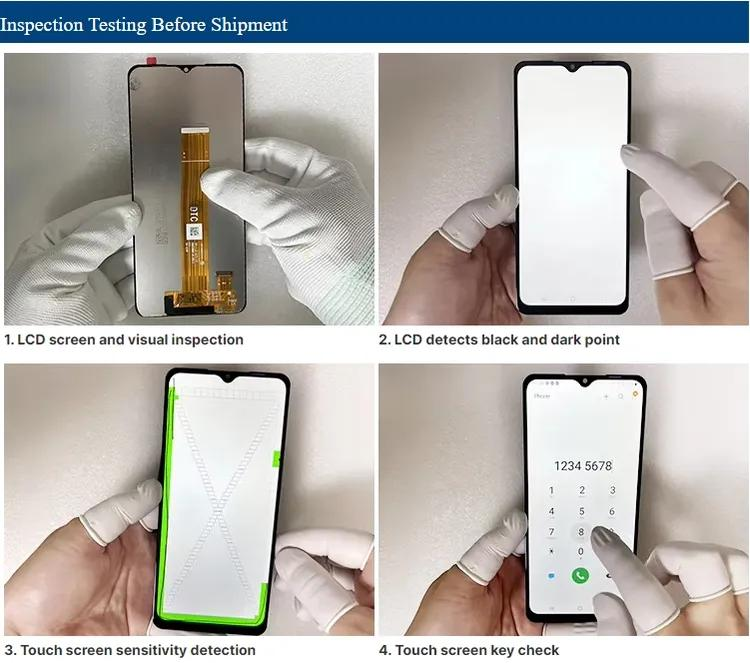
- Touch sensitivity testing
- Display brightness
- Color accuracy
- Connector compatibility
Using high-quality replacement screens reduces warranty claims and improves customer satisfaction.
Conclusion
Understanding a touch screen diagram makes it easier to see how modern smartphones combine display technology and touch functionality into a single module. From the protective cover glass to the touch digitizer and LCD or OLED display panel, every layer contributes to the overall user experience.
For smartphone repair businesses and wholesalers, selecting high-quality replacement touch screen assemblies ensures better repair success, reliable touch performance, and long-term customer satisfaction.