


Phone screen repair costs vary by device, screen type, and parts quality. For repair shops and wholesalers, understanding these cost differences helps improve pricing, control repair expenses, and maintain healthy profit margins.
This guide compares repair costs across popular smartphone models, explains the factors behind pricing differences, and shares practical tips for reducing repair costs without compromising quality.
Phone Screen Replacement Costs by Model (2026)
| Device Model | Screen Type | OEM Screen Cost (USD) | Aftermarket Screen Cost (USD) | Labor Time (Hours) | Typical Turnaround |
| iPhone 14 Pro | OLED | $250–$380 | $250 | 1–2 | Same day / 1 day |
| iPhone 14 | OLED | $350 | $220 | 1–2 | Same day / 1 day |
| iPhone 13 | OLED | $180–$280 | $180 | 1 | Same day |
| iPhone 12 | OLED | $250 | $150 | 1 | Same day |
| iPhone X | LCD | $180 | $120 | 1 | Same day |
| Samsung Galaxy S23 | OLED | $320 | $200 | 1–2 | 1–2 days |
| Samsung Galaxy S22 | OLED | $280 | $180 | 1–2 | 1–2 days |
| Google Pixel 7 | OLED | $250 | $150 | 1 | Same day |
| Google Pixel 6 | OLED | $220 | $130 | 1 | Same day |
| Mid-range Android | LCD | $80–$150 | $50–$100 | 1 | Same day |
| Budget Android | LCD | $50–$120 | $30–$80 | 1 | Same day |
In 2026, phone screen repair costs typically range from $50 to $450, depending on the device model, display type, and repair method.
Phone Screen Repair Cost by Method (Apple, Shops, DIY)
Understanding phone screen replacement costs means comparing repair methods, as prices, quality and speed differ greatly between official providers, independent shops and DIY.
- Apple & Samsung Authorized Screen Repair Cost
Authorized repair services like Apple and Samsung are typically the most expensive but offer the highest quality and reliability.
These services use original parts to ensure optimal functionality and long-term performance. Repairs are carried out by certified technicians, minimizing the risk of defects. If the phone is under warranty or has accidental damage protection, the cost may be lower or even free.
However, authorized centers often require appointments, and turnaround time may vary—same-day repairs are possible, but delays can occur if parts are not readily available.
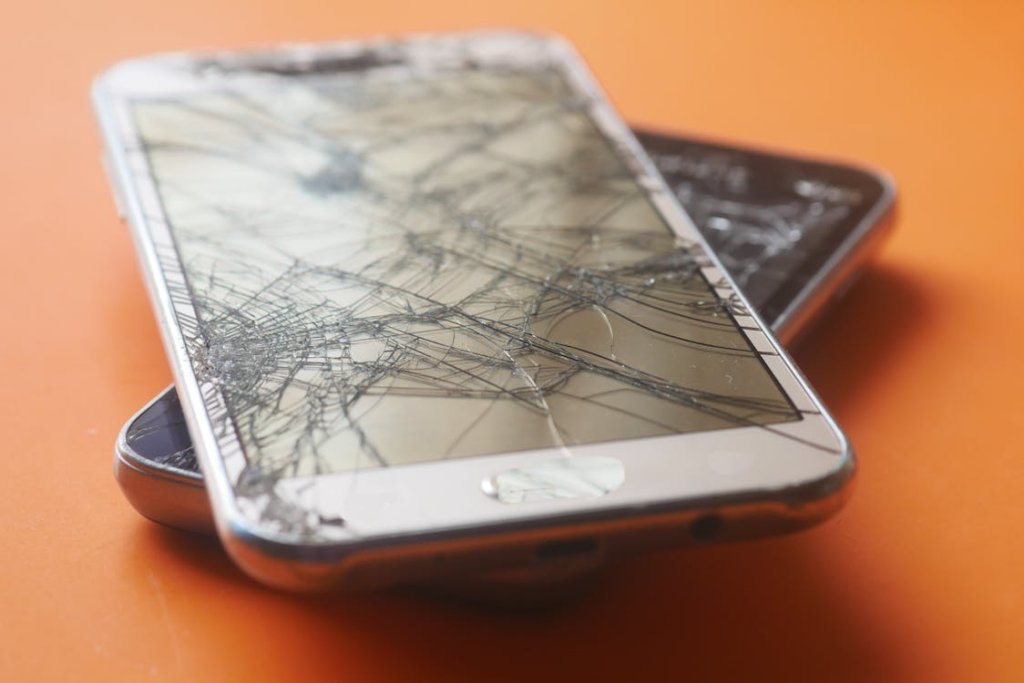
- iPhone and Samsung Phone Screen Replacement Cost at Independent Repair Shops
Independent repair shops offer a more flexible and often more affordable alternative, making them a popular choice in the current market. The typical phone screen repair cost at these shops ranges from $60 to $250, depending on the device and parts used.
Pricing is usually calculated based on:
- Screen cost (LCD or OLED)
- Labor charges
- Shop overhead and profit margin
One key factor here is the choice between OEM (original parts) and aftermarket screens. OEM screens provide better color accuracy, brightness, and durability, while aftermarket options are cheaper but may vary in quality and performance.
- DIY iPhone and Android Phone Screen Replacement Costs
DIY repair is often seen as the cheapest option, but it comes with significant trade-offs. The cost typically includes:
- Replacement screen: $30 to $150
- Tool kit: $10 to $40
While this may seem cheaper upfront, DIY repairs require technical skill, proper tools, and time. Without experience, users risk damaging internal components, affecting functionality, or voiding any existing warranty.
Professionally, DIY repairs often bring inconsistent results and higher long-term costs if extra fixes are needed. For most users and businesses, trained technicians ensure better quality, reliability and value.
Repair Cost by Device Category
The cost to replace a phone screen varies by model due to differences in display technology, build design, and parts availability. For repair shops and wholesalers, model-specific pricing is essential for accurate quotes and maintaining consistent margins.
iPhone Models
Newer iPhone models typically require higher repair costs because they use advanced OLED displays, stronger adhesives, and more complex internal designs. OEM screens provide better display quality and durability, making them the preferred option for premium repairs.
Older iPhone Models
Older iPhone models are generally easier and faster to repair due to wider parts availability and simpler internal structures. These devices remain popular in repair shops because they offer stable demand and attractive repair margins.
Android Phones
Android repair costs vary significantly between brands and models. Premium Samsung devices with OLED displays require more expensive replacement parts, while most budget Android phones use LCD panels that are quicker and less costly to repair.
Real-World Factors That Affect Screen Replacement Cost
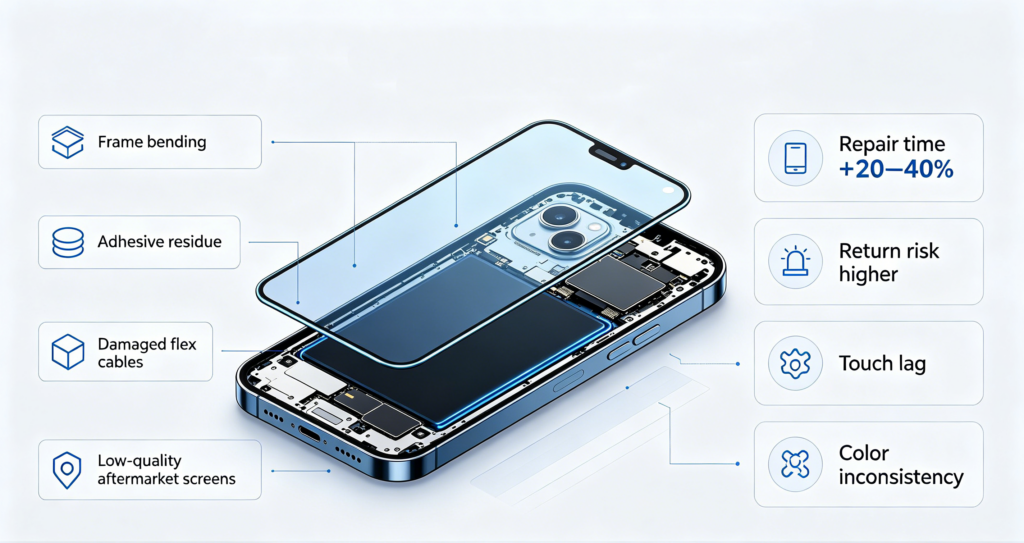
In real repair shop operations, screen replacement cost is often affected by hidden issues such as frame bending, adhesive residue, or damaged flex cables. These problems are especially common in iPhone OLED models and can increase repair time by 20–40%.
Technicians also report that low-quality aftermarket screens may cause touch lag or color inconsistency within 1–2 weeks after installation, leading to higher return rates.
Repair shops report that OLED screen replacements often require additional time for frame alignment and adhesive cleaning. In many cases, bent frames or damaged flex cables are discovered only after the display is removed, increasing labor costs unexpectedly.
Key Factors Affecting iPhone and Android Screen Replacement Cost
The cost of phone screen repair depends on several factors beyond the device model. For repair shops and wholesalers, understanding these variables helps set accurate pricing, avoid unexpected issues, and ensure consistent service quality across different smartphone types.
Screen Type
The screen type is a major factor in phone screen repair cost. LCD screens are generally cheaper to repair due to simpler structures and lower costs. In contrast, OLED and AMOLED screens are more expensive because they offer superior resolution, contrast, and color accuracy.
Labor Complexity
Labor is another key factor driving repair costs, as modern smartphones have tightly packed internal structures that make screen replacements difficult, involving meticulous disassembly, frame separation and component reinstallation.
Additional Damage
In many cases, additional damage increases the repair cost. A bent frame may prevent the new screen from fitting, requiring extra labor or replacement parts. Battery swelling can push against the screen, adding the need for a battery replacement. Damaged connectors or internal components can also affect screen performance, raising both labor and parts costs.
Is It Worth Repairing Your Phone Screen?
Signs a Repair Is Worth the Cost
In many cases, repairing a cracked screen is the most practical and cost-effective option. If the cost of repairing the phone screen is significantly lower than the device’s resale or replacement value, repair is usually the better choice.
A screen replacement can fully restore functionality, including touch response, display resolution, and overall user experience, especially when high-quality or original parts are used.
When Replacement or Upgrade Is Better
Replacing the entire device may be a better option if repair costs approach the phone’s market value or if multiple components, such as the motherboard or battery, are damaged. Older devices with limited software support may also offer better long-term value when upgraded.
How Repair Shops Can Optimize Screen Replacement Costs
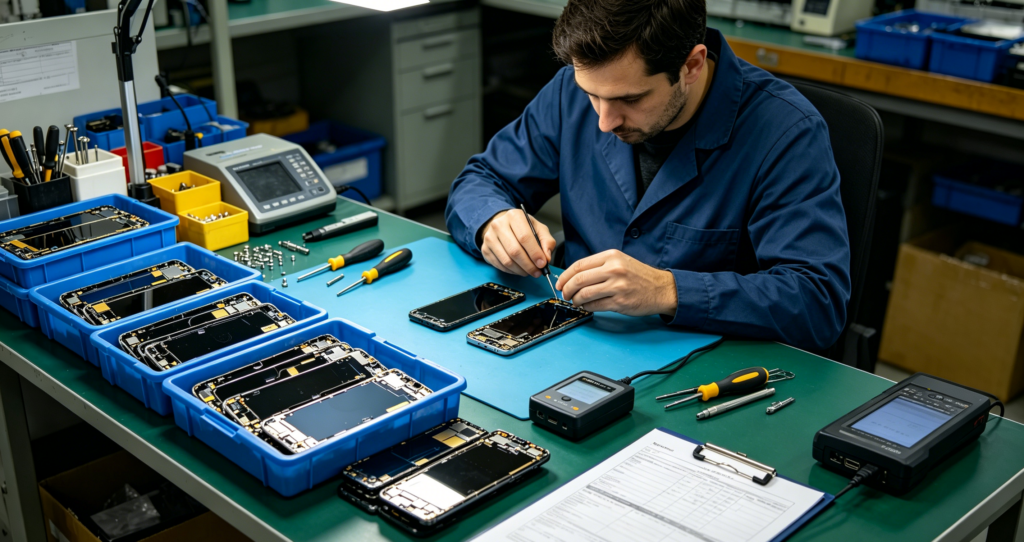
In high-volume repair shops, technicians often prepare multiple devices at once to reduce downtime and improve same-day service efficiency. This workflow ensures faster turnaround without sacrificing quality, helping shops stay competitive.
Bulk Screen Sourcing
For repair shops, bulk sourcing screens from professional suppliers like SQLCD effectively lowers component costs. Wholesale purchasing cuts per-unit prices, guarantees steady stock, and helps businesses stay competitive.
Use High-Quality Replacement Screens
Investing in high-quality or OEM-grade screens lowers defects, boosts display performance, and reduces return rates. Cheap parts may seem cost-effective at first, but often cause rework, extra labor, and customer dissatisfaction, raising total repair costs.
Standardized Repair Workflow
Creating a streamlined and standardized repair process improves efficiency and reduces labor hours. With trained technicians, proper tools, and optimized workflows, shops can handle same-day repairs more effectively, increasing daily ticket volume and maximizing profit margins.
Efficient Inventory Management
Track high-demand models and screen types to avoid overstocking or shortages. Accurate inventory ensures shops can perform same-day repairs without delays, reducing downtime and improving customer satisfaction.
Technician Training & Certification
Skilled, certified technicians handle broken screens more efficiently, reducing the risk of damage to delicate components such as flex cables and water-resistant seals. Training also improves consistency across repair and replacement services.
Use Diagnostic Tools Before Repair
Perform a pre-repair diagnostic to identify additional damage, such as bent frames, connector issues, or battery swelling. Early detection prevents costly rework and improves workflow efficiency.

FAQs About Phone Screen Repair Cost
How much does it cost to fix a phone screen?
The cost to fix a phone screen ranges from $50 to $450, depending on the device, screen type (LCD or OLED), and repair method.
Why does the cost of screen replacement vary by phone model?
Screen replacement costs vary by model due to different display tech, internal design and complexity. OLED/AMOLED screens cost more than LCDs, and newer phones need careful handling of cables, adhesive and waterproof seals. Extra damage such as bent frames or swollen batteries also raises repair costs.
Does screen repair affect touch sensitivity or display color accuracy?
Screen repair quality affects touch response and color accuracy based on parts used. OEM screens maintain original performance, while cheap aftermarket alternatives may cause unresponsive touch or dull colors. For repair shops, professional-grade screens ensure consistent results, customer satisfaction, and fewer returns or follow-up repairs.
How long does a professional phone screen repair take?
Professional screen repairs can often be completed the same day for popular models if parts are in stock. Complex repairs or devices with additional damage may require 24–48 hours.
Conclusion – Understanding Phone Screen Repair Costs
Understanding phone screen repair costs helps repair businesses make better purchasing and pricing decisions. Beyond labor costs, the quality and consistency of replacement screens play an important role in reducing returns and maintaining customer satisfaction.
If you’re sourcing OEM-grade phone screens for your business, choosing a manufacturer with reliable quality control and stable supply can help support long-term repair performance. Contact SQ to learn more about available models and wholesale options.