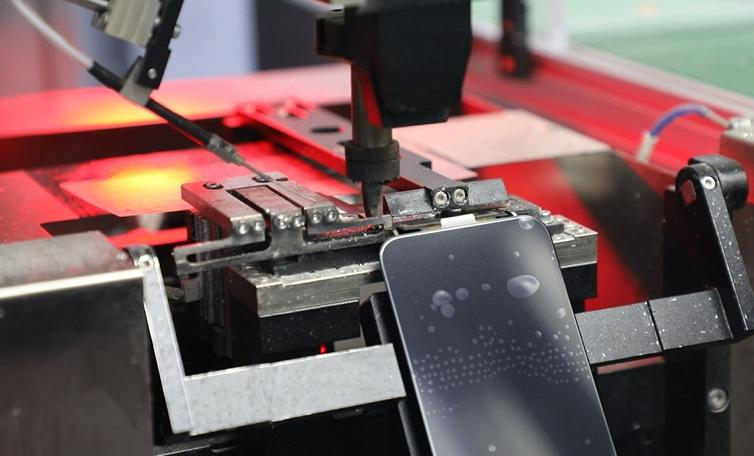
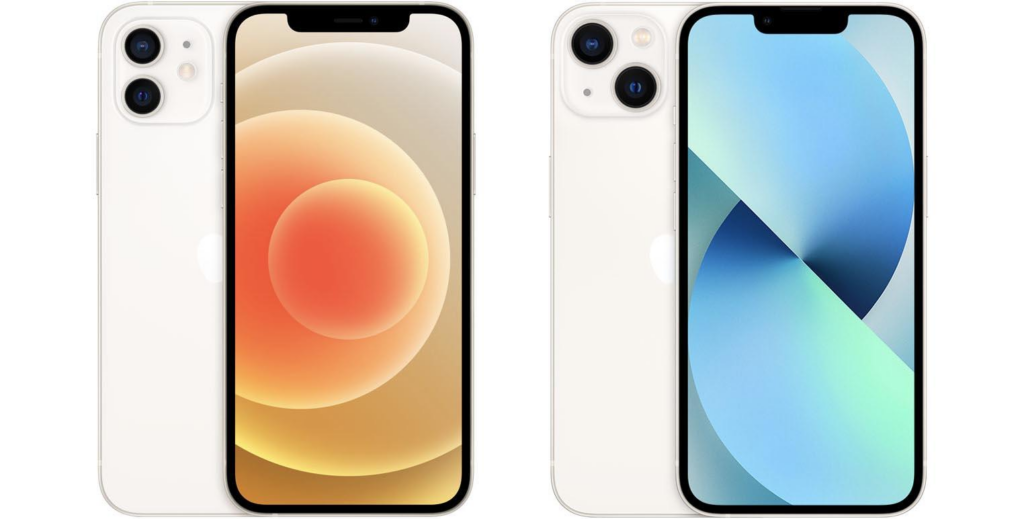
When comparing the iPhone 12 vs iPhone 13, the display specifications look very similar at first. Both models feature a 6.1-inch Super Retina XDR OLED display with a 2532 × 1170 resolution and 460 ppi. However, the iPhone 13 offers higher typical brightness, while its physical construction is slightly thicker. For repair shops and wholesalers, these differences matter when selecting compatible replacement screens.

iPhone 12 vs iPhone 13 Specs at a Glance
| Feature | iPhone 12 | iPhone 13 |
|---|---|---|
| Screen Size | 6.1 inches | 6.1 inches |
| Display | Super Retina XDR OLED | Super Retina XDR OLED |
| Resolution | 2532 × 1170 | 2532 × 1170 |
| Pixel Density | 460 ppi | 460 ppi |
| Typical Brightness | 625 nits | 800 nits |
| HDR Peak Brightness | 1,200 nits | 1,200 nits |
| Storage | 64/128/256GB | 128/256/512GB |
The biggest display difference is brightness. Apple rates the iPhone 12 at 625 nits typical brightness, compared with 800 nits for the iPhone 13. Both reach 1,200 nits peak HDR brightness.
iPhone 12 vs iPhone 13 Screen Size
Both smartphones use a 6.1-inch OLED screen, making the screen size effectively the same for users. Their width and height are also identical at 71.5 mm × 146.7 mm. However, the iPhone 13 is 7.65 mm thick compared with 7.4 mm for the iPhone 12.
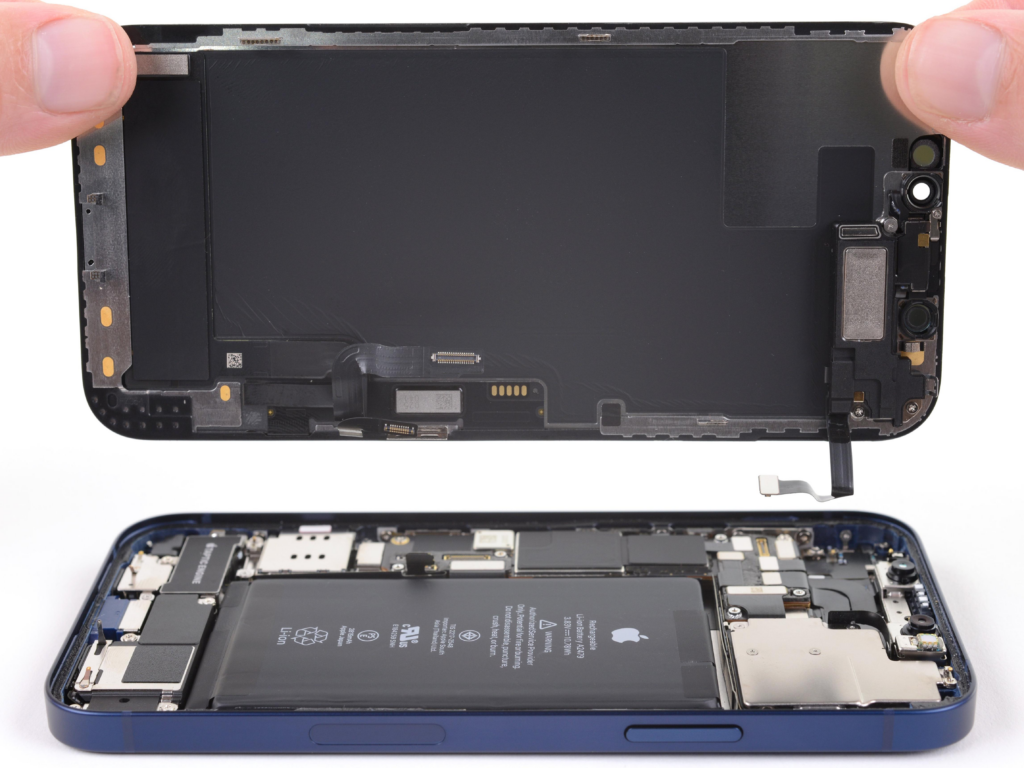
For screen replacement, identical diagonal measurements do not automatically mean the two display assemblies are interchangeable. Repair professionals should verify the exact model, flex cable, connector configuration, mounting structure, and display assembly before installation.
iPhone 12 vs iPhone 13 Display and OLED Technology
Both models use Apple’s Super Retina XDR OLED technology, providing high contrast, HDR support, wide P3 color, and True Tone. The iPhone 13’s higher typical brightness can provide a more visible image in bright environments.
For replacement parts, display quality should be evaluated beyond basic resolution. Color accuracy, brightness consistency, touch responsiveness, viewing angles, and panel uniformity can significantly affect the customer’s repair experience.
iPhone 12 vs iPhone 13 Screen Replacement
When replacing a damaged display, technicians should first identify whether the problem involves cracked glass, touch failure, dead pixels, lines, black screen symptoms, or complete panel damage. A complete replacement assembly may be appropriate when the OLED panel or touch layer is damaged.
Repair shops purchasing replacement screens should check the panel type, connector and flex quality, frame fit, touch performance, brightness, color reproduction, and overall QC consistency before accepting bulk shipments.
Choosing Replacement Screens for Wholesalers
For wholesalers and repair businesses, iPhone 12 and iPhone 13 replacement screens should be managed as separate SKUs unless compatibility has been professionally verified. Even when two phones share the same screen size and resolution, their assemblies can have different physical or electrical characteristics.
A reliable supplier should provide consistent batches, clear model identification, pre-shipment testing, and quality control. Testing for dead pixels, touch zones, brightness, color uniformity, and flex damage can help reduce installation failures and customer returns.
Conclusion
The iPhone 12 vs iPhone 13 comparison shows that both phones have the same 6.1-inch OLED display and resolution, but the iPhone 13 offers higher typical brightness. For consumers, the difference is relatively straightforward. For repair shops and wholesalers, however, choosing the correct replacement assembly requires much more than comparing screen size.
Always verify model compatibility and test replacement screens before installation or bulk distribution.