
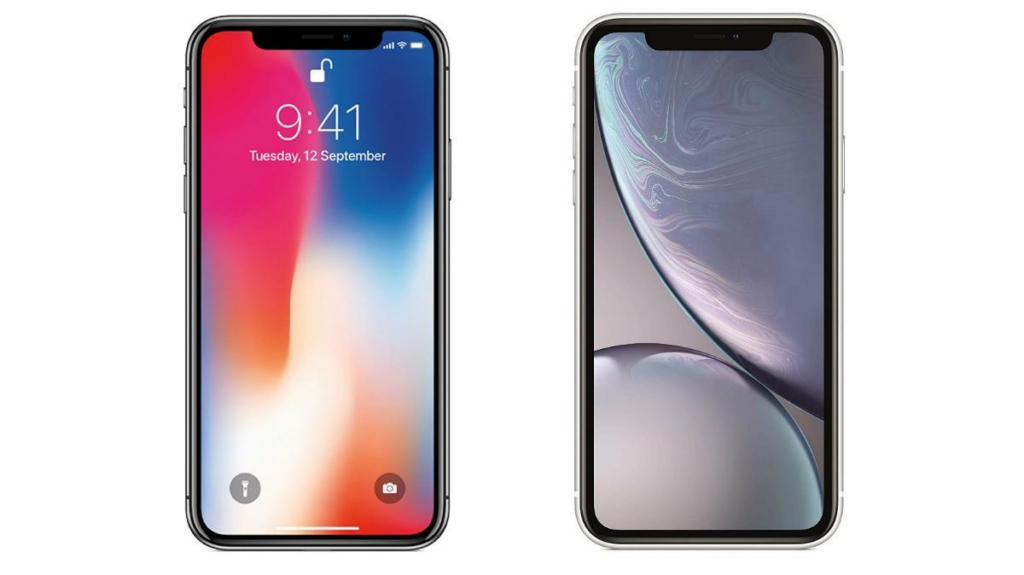
When comparing the iPhone X vs XR, the biggest difference is their display technology. The iPhone X uses a 5.8-inch OLED display, while the iPhone XR features a larger 6.1-inch IPS LCD. For consumers, this affects viewing quality and screen size. For repair shops and wholesalers, it also means the two models require different replacement-screen solutions.
iPhone X vs XR Display: Key Specifications
| Feature | iPhone X | iPhone XR |
|---|---|---|
| Screen Size | 5.8 inches | 6.1 inches |
| Display Technology | OLED | IPS LCD |
| Resolution | 2436 × 1125 | 1792 × 828 |
| Pixel Density | 458 ppi | 326 ppi |
| Typical Brightness | 625 nits | 625 nits |
| Contrast Ratio | 1,000,000:1 | 1,400:1 |
The iPhone X provides a higher pixel density and much higher contrast, while the XR provides a larger viewing area. Both displays support features such as True Tone and wide color (P3).
iPhone X vs XR Screen Size
The iPhone XR has the larger screen, measuring 6.1 inches diagonally compared with 5.8 inches on the iPhone X. However, screen size does not tell the whole story.
The iPhone X has a higher-resolution OLED panel with 458 ppi, producing sharper text and images. The XR’s 326 ppi LCD has a lower pixel density but gives users a larger display area.
The physical dimensions are also different. The iPhone X measures 70.9 × 143.6 mm, while the XR measures 75.7 × 150.9 mm. Therefore, repair technicians should never select a replacement display based only on the diagonal screen measurement.
iPhone X vs XR OLED vs LCD
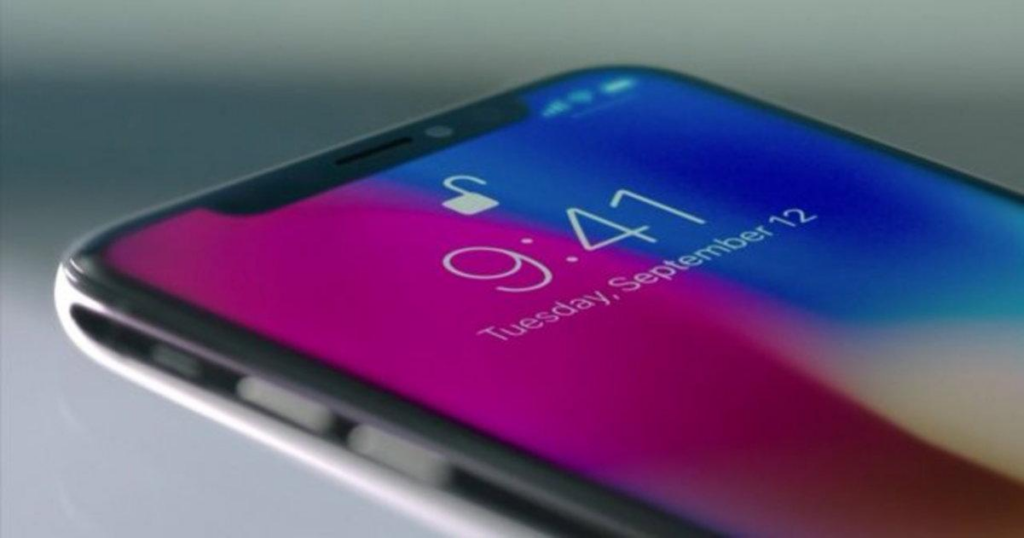
The iPhone X uses OLED, where individual pixels emit their own light. This allows OLED panels to produce deep blacks and extremely high contrast. Apple rates the iPhone X display at a typical 1,000,000:1 contrast ratio.
The iPhone XR uses IPS LCD, which relies on a backlight. It has a 1,400:1 typical contrast ratio. While LCD technology differs from OLED, the XR still supports wide color, True Tone, and 625-nit typical brightness.
For replacement screens, panel technology is an important purchasing factor. Repair businesses should evaluate brightness, color consistency, touch response, viewing angles, and overall panel quality rather than focusing only on price.
iPhone X vs XR Screen Replacement
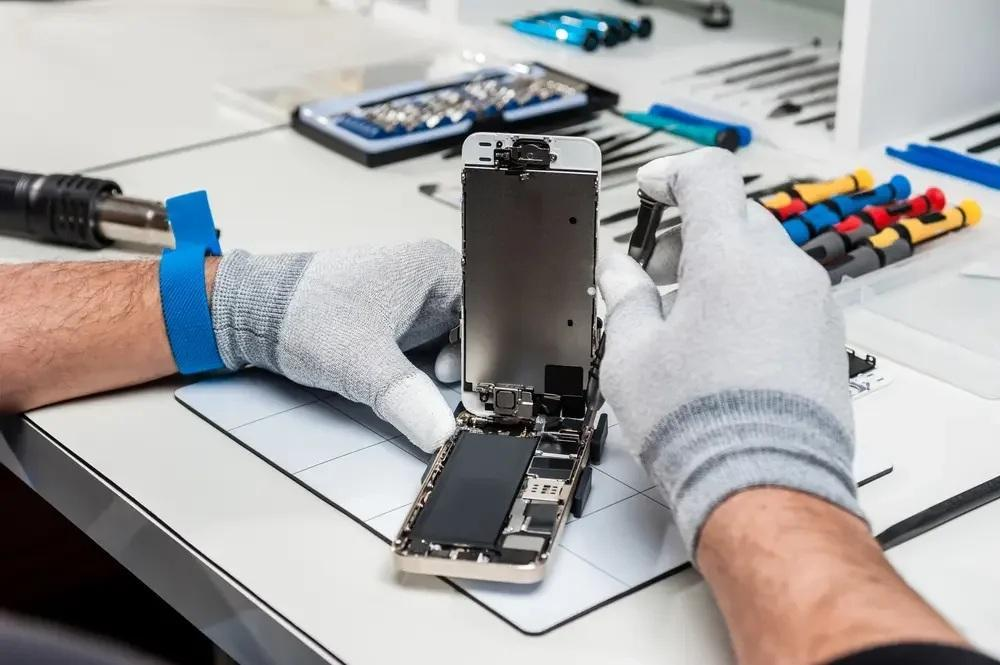
For repair shops and wholesalers, one of the most important questions is whether an iPhone X screen can be used on an iPhone XR. The answer is no: these should be treated as separate replacement-screen assemblies.
Their different screen sizes, resolutions, display technologies, physical dimensions, and assembly structures mean technicians should verify the exact model before installation. Important checks include the display assembly, flex cable, connector, frame fit, touch functionality, brightness, and panel condition.
A professional replacement-screen QC process should test for dead pixels, touch-zone accuracy, color consistency, brightness, and flex damage before the parts reach customers.
How to Choose iPhone X and XR Replacement Screens
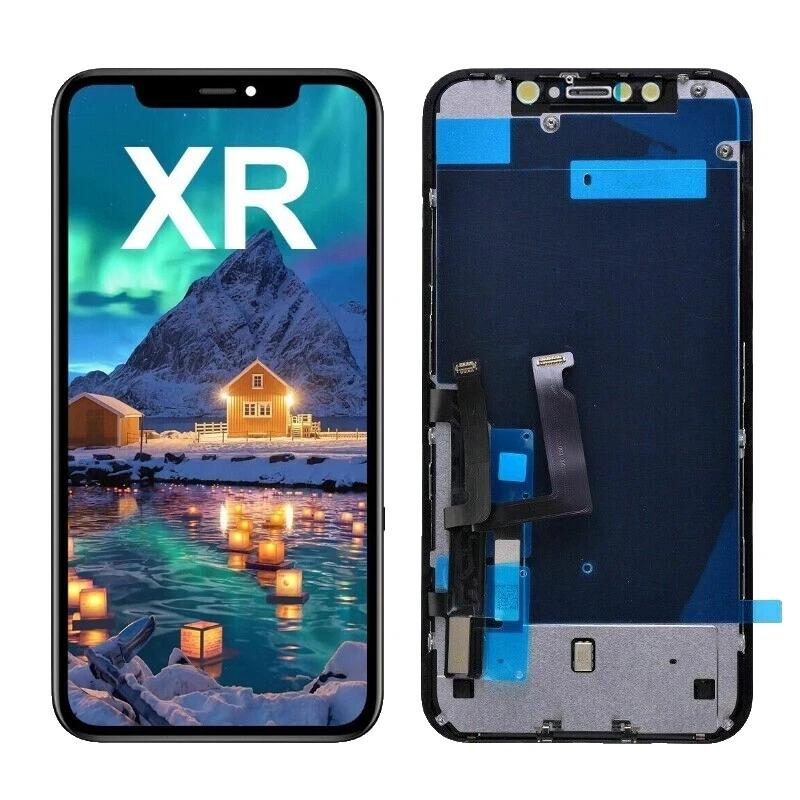
For wholesalers and repair stores, choosing replacement displays involves more than finding a compatible model number. Consider:
- Correct model compatibility
- OLED or LCD panel type
- Touch sensitivity
- Brightness and color consistency
- Flex and connector quality
- Frame and mounting accuracy
- Dead-pixel and display testing
- Batch-to-batch consistency
Conclusion
The iPhone X vs XR comparison comes down to a key display trade-off: the iPhone X has a smaller 5.8-inch but higher-resolution OLED display, while the iPhone XR offers a larger 6.1-inch IPS LCD. For consumers, the choice depends on whether display quality or screen size is more important. For repair businesses, the priority should be accurate model identification and reliable replacement-screen quality.
Understanding the difference between OLED and LCD helps repair shops and wholesalers choose the right parts, reduce installation problems, and maintain consistent repair quality.