
When comparing the iPhone 16 vs iPhone 17, the display is one of the most important differences for users and mobile phone repair professionals. Both models feature OLED technology, but the iPhone 17 introduces a larger screen, a smoother refresh rate, and improved outdoor brightness. For repair shops and wholesalers, understanding these differences helps with replacement-screen selection and inventory planning.
iPhone 16 vs iPhone 17 Display Specifications
The iPhone 16 features a 6.1-inch OLED display with a resolution of 2556 × 1179 pixels. The iPhone 17 has a larger 6.3-inch OLED display with a resolution of 2622 × 1206 pixels. Both provide a pixel density of 460 ppi, delivering sharp text and detailed images.
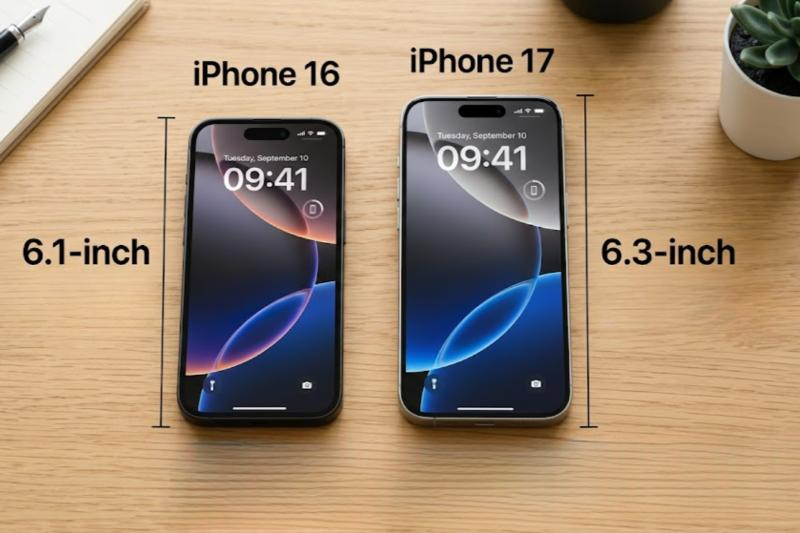
iPhone 16 vs iPhone 17 OLED Screen: Key Differences
Both phones use OLED displays, which produce deep blacks, high contrast, and vibrant colors. The key difference is refresh rate. The iPhone 16 supports a standard 60Hz refresh rate, while the iPhone 17 includes ProMotion with adaptive refresh rates up to 120Hz. This can make scrolling, animations, and supported games appear smoother.
Brightness is another consideration. Both models offer up to 1,000 nits of typical maximum brightness and 1,600 nits peak HDR brightness. However, the iPhone 17 reaches up to 3,000 nits outdoors, compared with 2,000 nits for the iPhone 16.
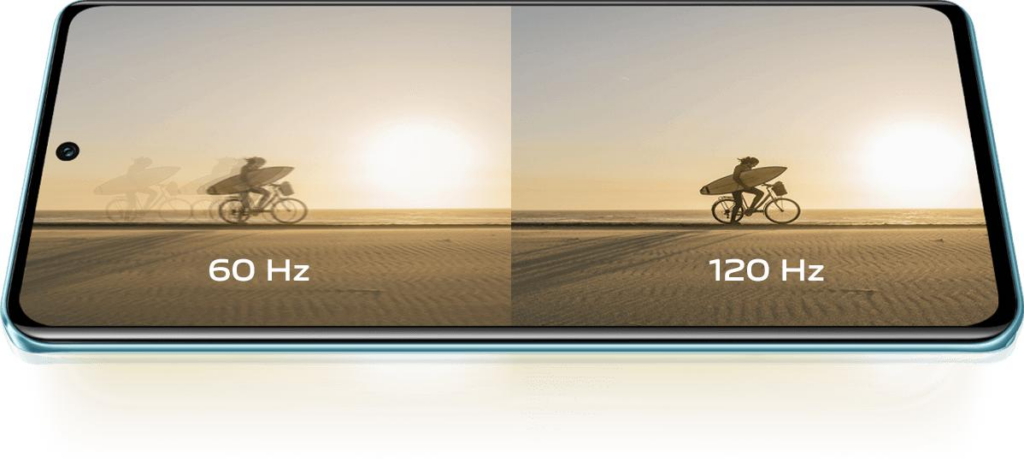
Are iPhone 16 and iPhone 17 Replacement Screens Interchangeable?
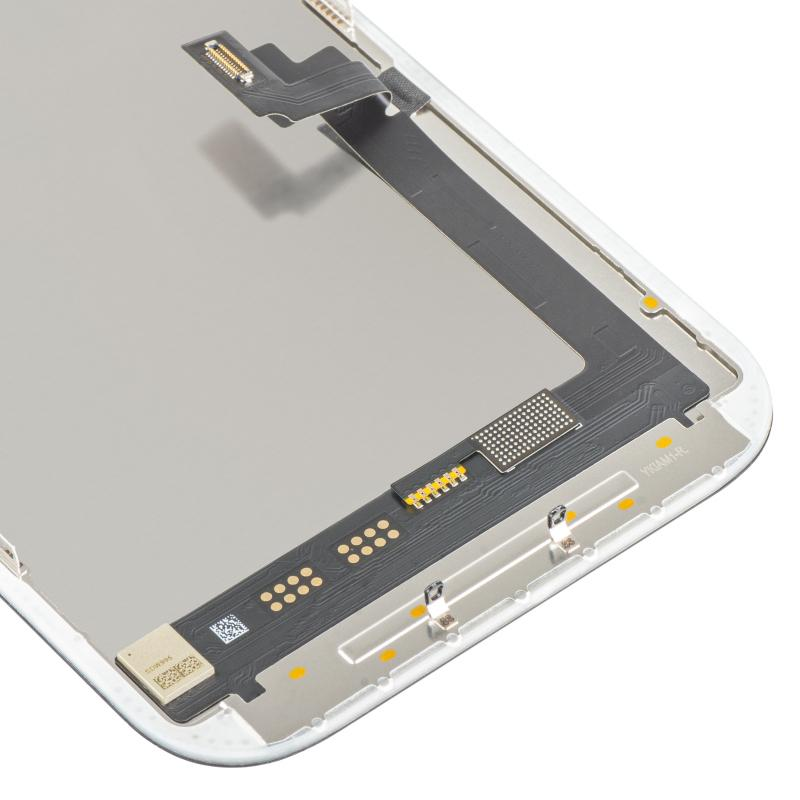
Do not assume that iPhone 16 and iPhone 17 replacement screens are interchangeable. Although both use OLED technology, their screen dimensions, connectors, flex cables, mounting structures, and supported functions must be checked against the exact model. Always verify compatibility with the supplier before ordering or installing a replacement assembly.
When sourcing an iPhone OLED replacement screen, repair shops should evaluate more than the purchase price. Important quality factors include color consistency, brightness, touch responsiveness, pixel defects, fit, and connector condition.
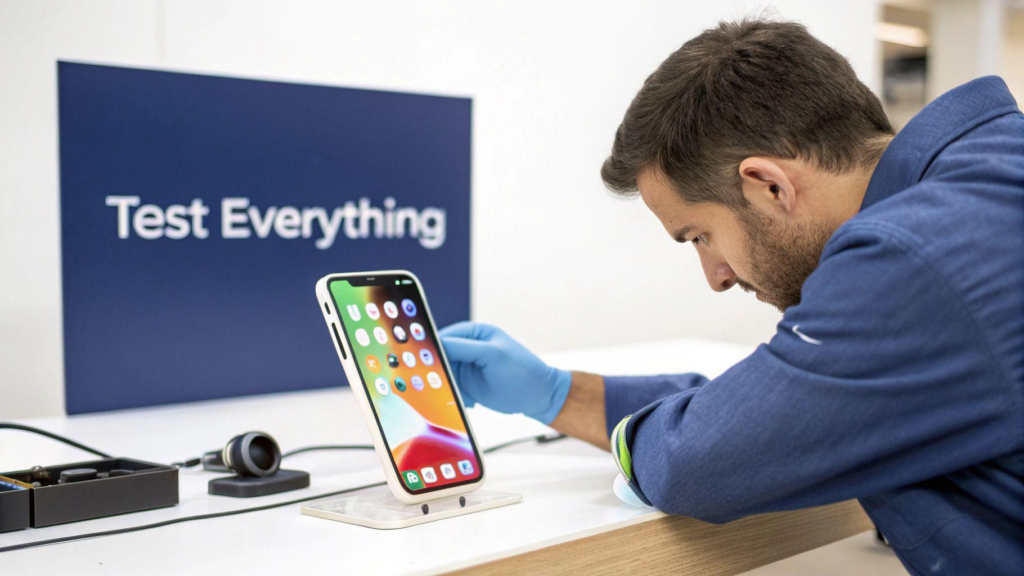
What Repair Shops and Wholesalers Should Check
Before completing a screen replacement, technicians should test image quality, touch response, brightness, and relevant display functions. Inspect the assembly for visible damage and confirm that it fits the intended device.
Wholesalers should also review product specifications, quality-control procedures, warranty terms, and return policies. Maintaining separate inventory records for each iPhone model can help reduce ordering errors and unnecessary returns.
Choose the Right Replacement Screen for Your Business
The iPhone 17 offers a larger OLED display, adaptive refresh rates up to 120Hz, and higher outdoor peak brightness. The iPhone 16 remains a 6.1-inch OLED model with a 60Hz refresh rate. These differences matter when selecting replacement parts and checking post-repair performance.
For phone repair stores and wholesalers, accurate model identification and consistent quality control are essential. Explore SQLCD’s mobile phone display products and confirm model compatibility and specifications with your supplier before placing bulk orders.
Frequently Asked Questions
Does the iPhone 17 have a better OLED screen than the iPhone 16?
The iPhone 17 offers a larger display, adaptive refresh rates up to 120Hz, and higher outdoor peak brightness.
Can an iPhone 16 screen fit an iPhone 17?
Do not assume compatibility. Confirm the exact model and replacement-part specifications before installation.