
When comparing the iPhone SE vs iPhone 13, one of the biggest differences is the display. The iPhone SE (3rd generation) uses a compact 4.7-inch IPS LCD, while the iPhone 13 features a larger 6.1-inch OLED display. These differences affect screen size, image quality, and replacement-part selection.
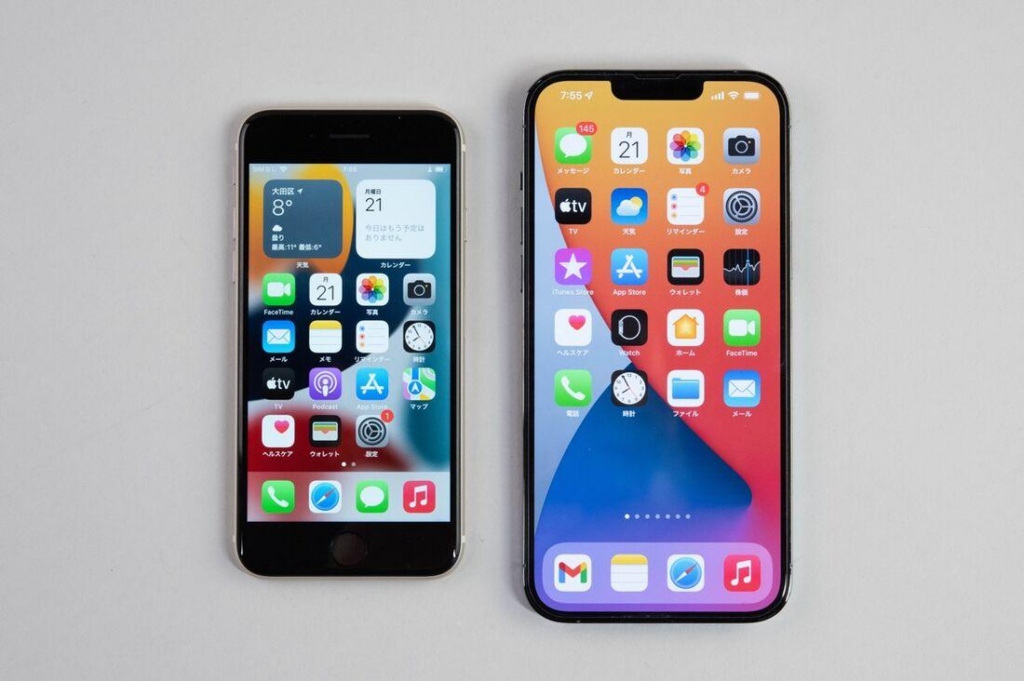
iPhone SE vs iPhone 13 Display Specs
| Feature | iPhone SE (3rd Gen.) | iPhone 13 |
|---|---|---|
| Display technology | IPS LCD | OLED |
| Screen size | 4.7 inches | 6.1 inches |
| Resolution | 1334 × 750 | 2532 × 1170 |
| Pixel density | 326 ppi | 460 ppi |
| Typical brightness | 625 nits | 800 nits |
| Typical contrast ratio | 1400:1 | 2,000,000:1 |
The iPhone 13 provides higher pixel density, stronger contrast, and a larger viewing area. The SE’s smaller LCD remains suitable for users who prefer a compact device.
iPhone SE vs iPhone 13 Screen Size
The iPhone 13 has a 6.1-inch screen, compared with the iPhone SE’s 4.7-inch display. Its all-screen design also differs from the SE’s traditional design with a Home button.
For repair technicians, screen size is only one compatibility factor. The display technology, assembly dimensions, flex cables, connectors, and mounting structure must also match the exact phone model.
iPhone SE LCD vs iPhone 13 OLED
The iPhone SE uses an IPS LCD panel that relies on a backlight to illuminate the screen. The iPhone 13 uses OLED technology, where individual pixels emit their own light. This allows OLED to produce deeper blacks and much higher contrast.
For customers, the iPhone 13’s OLED display offers a more immersive viewing experience. For repair businesses, the difference matters when choosing replacement parts: LCD and OLED assemblies have different specifications and cannot be selected based on screen size alone.
iPhone SE vs iPhone 13 Replacement Screen
The iPhone SE and iPhone 13 replacement screens are not interchangeable. Their screen sizes, display technologies, resolutions, and physical assemblies differ.
Before ordering a replacement screen, technicians should verify the exact model and check the assembly, flex cable, connector, frame fit, and touch functionality. A compatible replacement should also be tested for brightness, color consistency, dead pixels, and touch accuracy before final installation.
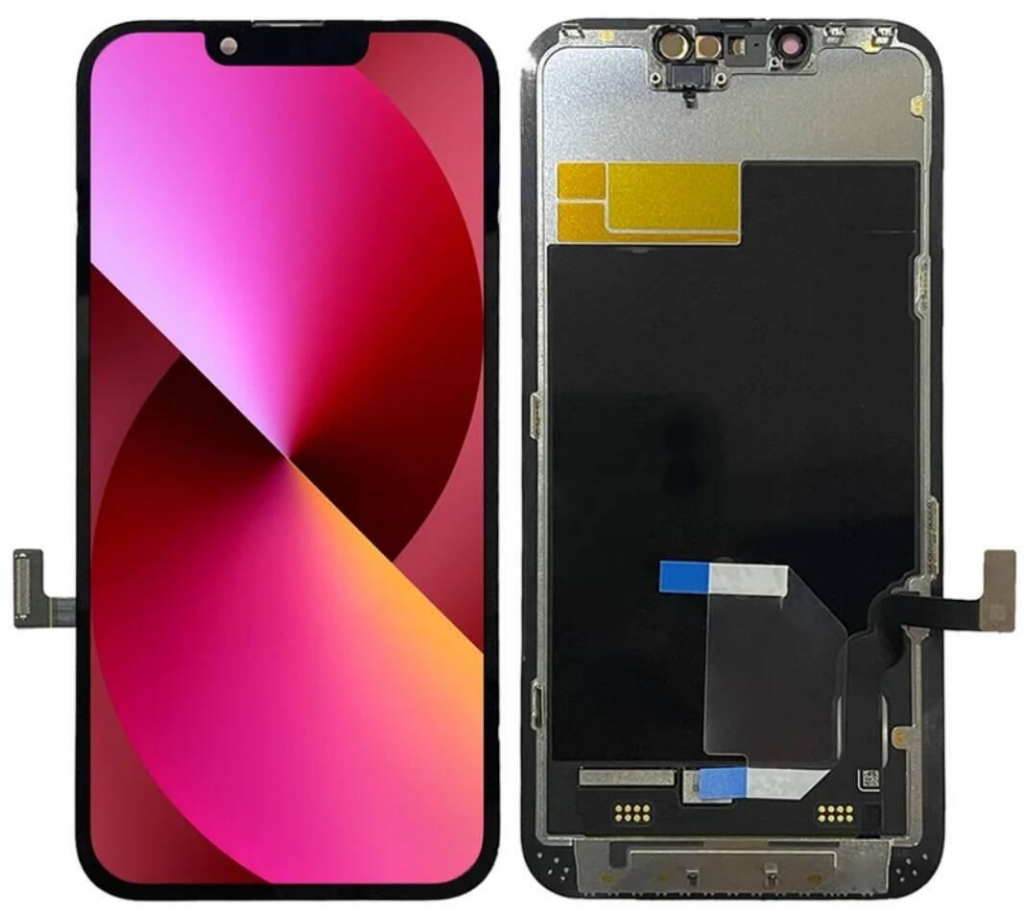
How Repair Shops Should Choose Replacement Screens
For phone repair shops and wholesalers, replacement-screen quality directly affects repair outcomes and customer satisfaction. Consider these key checks:
- Model compatibility: Confirm the exact device model before ordering.
- Display performance: Check brightness, color uniformity, and pixel defects.
- Touch response: Test touch accuracy across the entire panel.
- Assembly quality: Inspect flex cables, connectors, and frame alignment.
- Quality control: Test samples and monitor consistency across batches.
A reliable supplier should provide clear model identification and consistent quality-control procedures. For wholesalers, accurate SKU management can help prevent compatibility errors and reduce avoidable returns.

Conclusion
The iPhone SE vs iPhone 13 display comparison comes down to compact LCD versus larger OLED. The SE has a 4.7-inch, 326-ppi LCD, while the iPhone 13 offers a 6.1-inch, 460-ppi OLED display. For repair shops and wholesalers, understanding these differences is essential to selecting the correct replacement screen and maintaining repair quality.