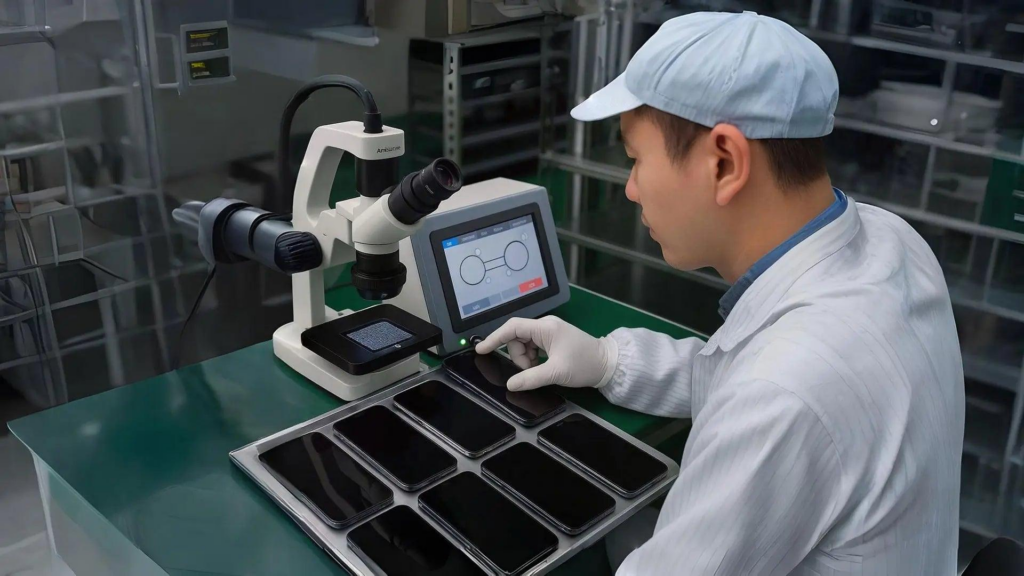
When choosing a smartphone or replacement display, one of the most common questions is OLED vs IPS—which is better? Both technologies offer excellent performance but differ in image quality, power consumption, durability, and cost. Whether you’re a smartphone user, phone repair shop, or mobile parts wholesaler, understanding these differences can help you make the right decision.
In this guide, we’ll compare OLED screen vs IPS screen, discuss OLED vs IPS battery life, and explain which display is best for different repair and business needs.
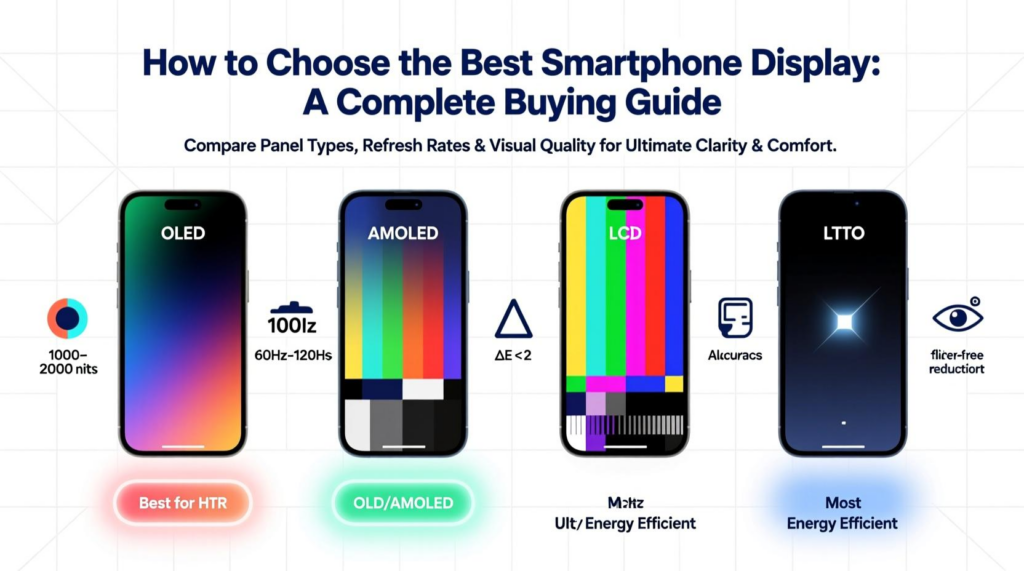
What Is an OLED Display?
OLED (Organic Light-Emitting Diode) technology allows each pixel to produce its own light. Since OLED displays don’t require a backlight, they deliver:
- Perfect black levels
- High contrast ratios
- Vibrant colors
- Thin and lightweight designs
OLED displays are commonly used in premium smartphones because they provide an excellent viewing experience.
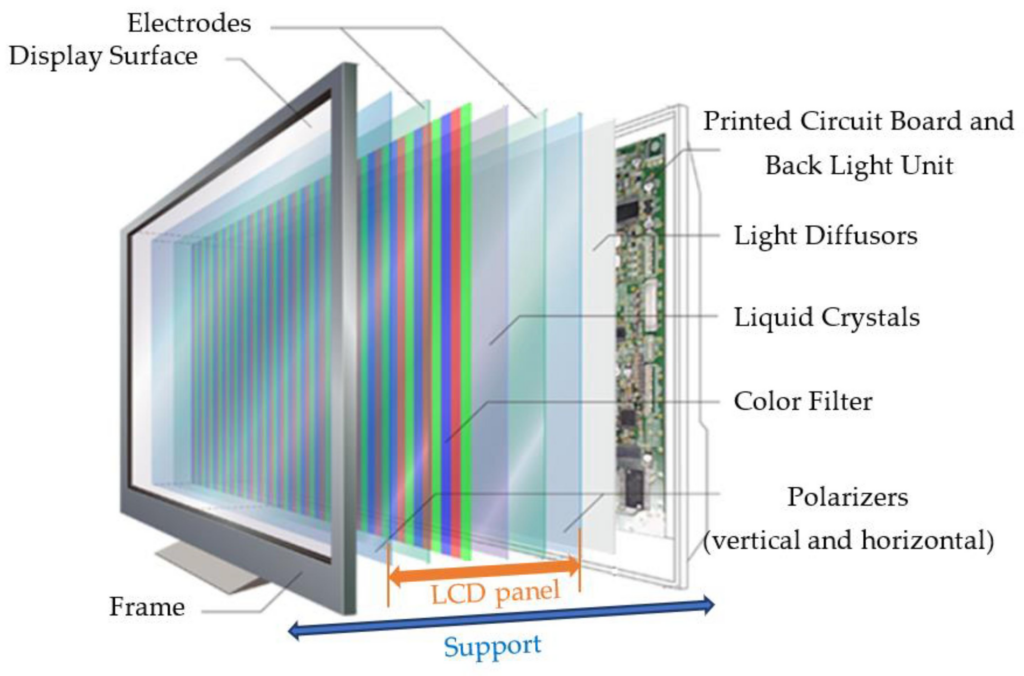
What Is an IPS Display?
IPS (In-Plane Switching) is an advanced type of LCD technology that uses an LED backlight behind the display panel. IPS screens are known for:
- Accurate color reproduction
- Wide viewing angles
- High brightness
- Excellent durability
- Affordable manufacturing costs
Many mid-range and budget smartphones continue to use IPS displays because they offer reliable performance at a lower price.
OLED vs IPS: Key Differences
| Feature | OLED | IPS |
|---|---|---|
| Black Levels | Excellent | Good |
| Contrast | Very High | Moderate |
| Brightness | Excellent | Very Good |
| Viewing Angles | Excellent | Excellent |
| Power Efficiency | Better with dark content | Consistent |
| Cost | Higher | Lower |
| Burn-in Risk | Possible | None |
OLED provides the best image quality, while IPS offers outstanding value and durability.
OLED vs IPS Battery Life
Battery performance depends on how the phone is used.
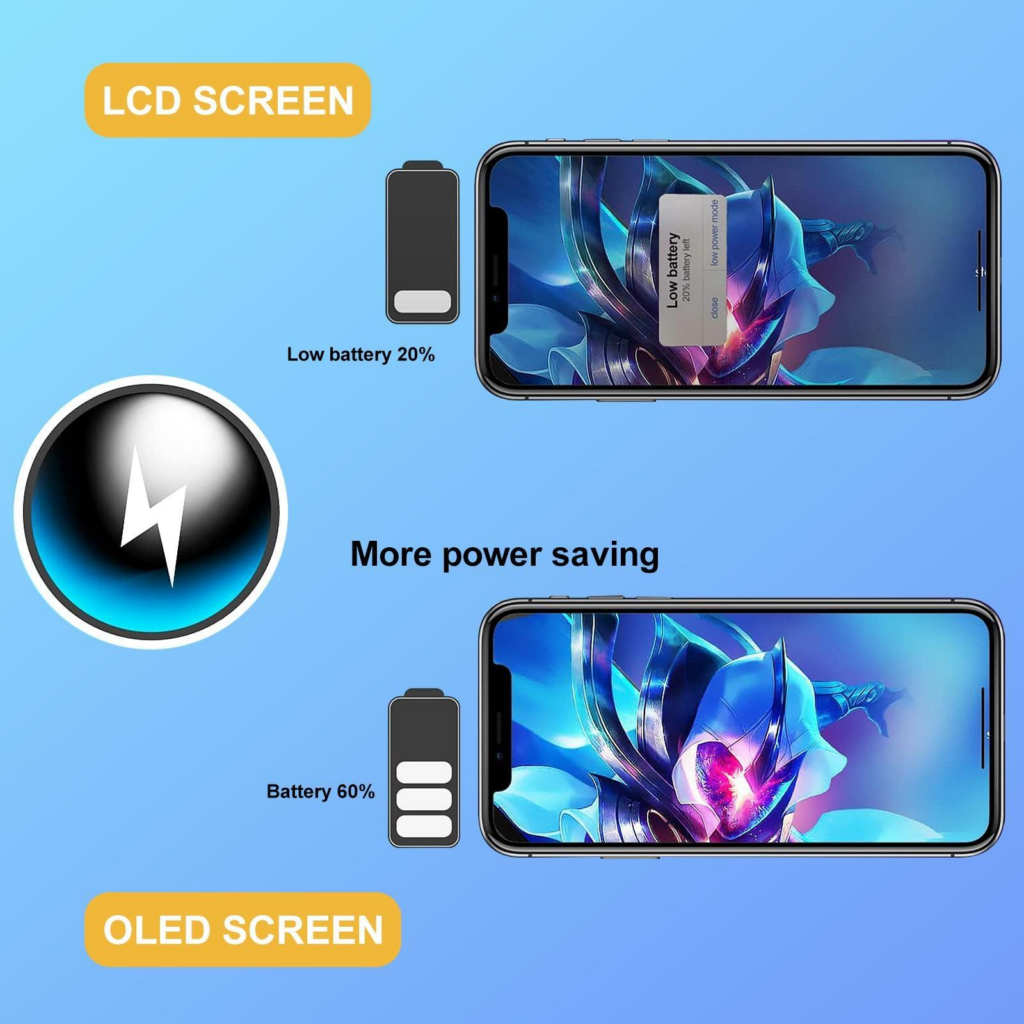
OLED displays consume less power when displaying dark themes because individual black pixels remain turned off. This makes OLED more efficient for users who frequently use Dark Mode.
IPS displays use a constant backlight regardless of screen content. While battery consumption is generally stable, IPS may use more power when displaying darker images.
For everyday smartphone use, the battery life difference is noticeable but not dramatic.
Which Is Better for Phone Screen Replacement?
For repair shops and wholesalers, the best choice depends on customer needs.
Choose OLED if:
- Customers want original display quality.
- Premium color performance is important.
- The device originally used an OLED panel.
Choose IPS if:
- Customers have a limited budget.
- Cost-effective repairs are the priority.
- Reliable daily performance is sufficient.
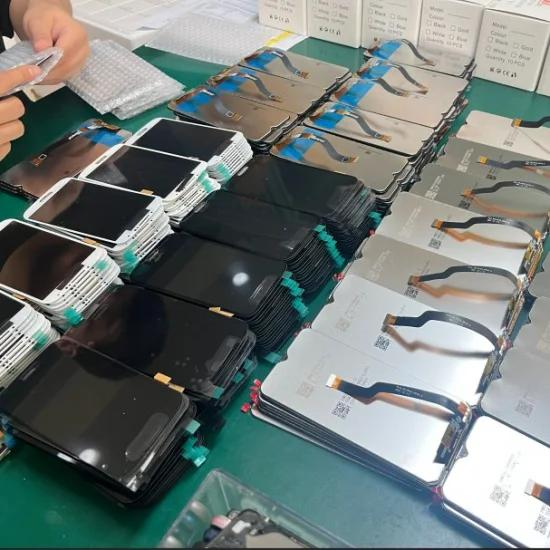
IPS replacement screens are generally more affordable and widely available, while OLED replacements deliver a closer-to-original user experience.
Why Repair Shops Still Stock IPS Displays
Many professional repair businesses continue to offer IPS replacement screens because they provide:
- Lower replacement costs
- Stable supply chains
- Reliable performance
- High compatibility with many smartphone models
- Competitive pricing for wholesale purchases
For many customers, IPS displays offer the ideal balance between quality and affordability.
Conclusion
The OLED vs IPS debate doesn’t have a single winner—it depends on your priorities. OLED displays offer exceptional contrast, vibrant colors, and better efficiency when using dark content, making them ideal for flagship smartphones and premium repairs. IPS displays, however, remain an excellent choice for users seeking dependable performance, durability, and lower replacement costs.
For phone repair shops and wholesalers, stocking both OLED and IPS replacement screens ensures you can meet the needs of customers across different budgets while maintaining high repair quality.