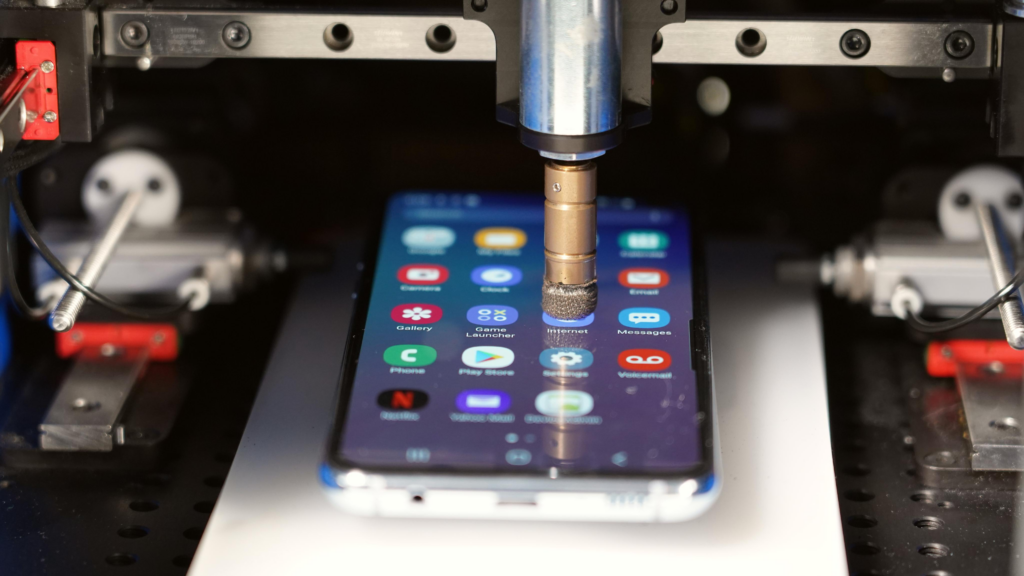
Choosing the right type of display is essential whether you’re buying a new smartphone, replacing a damaged screen, or sourcing parts for a repair business. Modern smartphones use several display technologies, each with its own strengths in image quality, durability, battery efficiency, and repair cost.
This guide explains the most common screen display types, compares different display panel types, and helps you understand which display technology is better for various applications.
What Is a Display Panel?
A display panel is the component that shows images, videos, and user interface elements on a smartphone. Modern display modules typically include:
- Display panel
- Touch digitizer
- Protective glass
- Display driver circuits
The quality of the display directly affects brightness, color accuracy, touch responsiveness, and battery consumption.
Common Screen Display Types
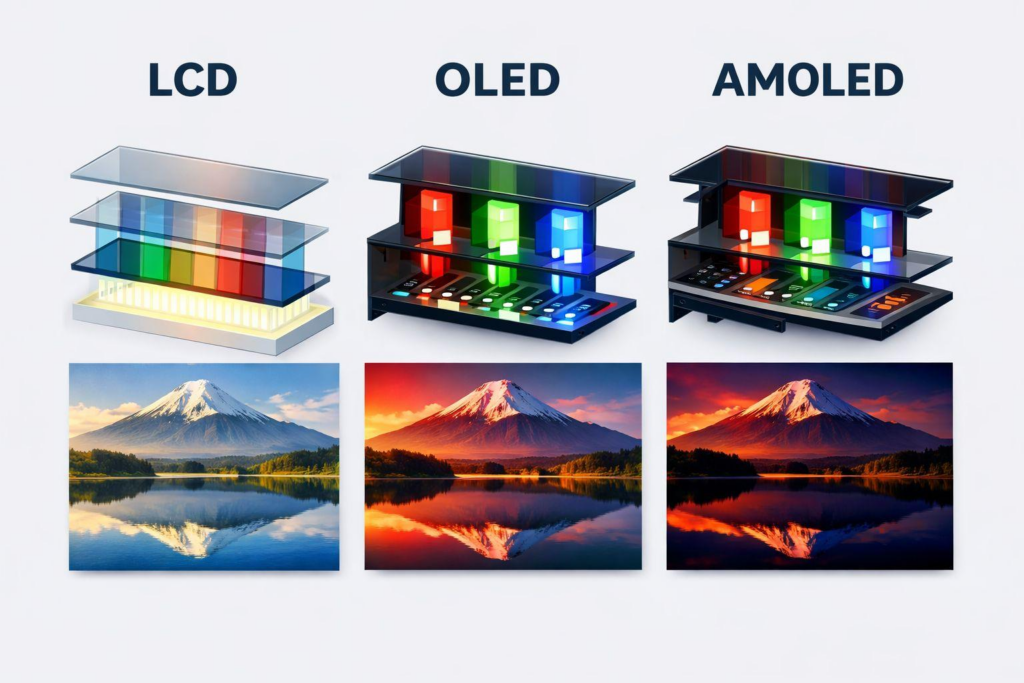
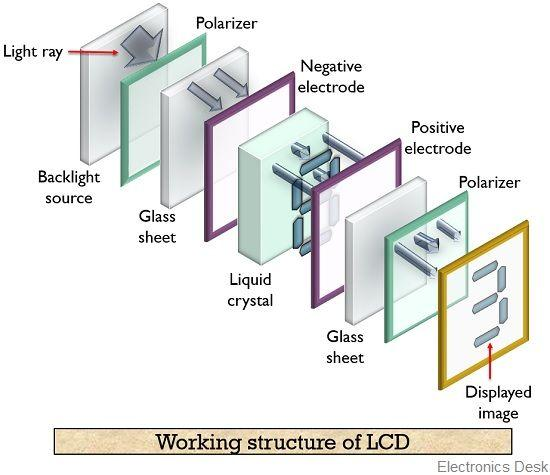
LCD (Liquid Crystal Display)
LCDs use a backlight to illuminate liquid crystals. They are affordable, reliable, and widely used in budget and mid-range smartphones.
TFT LCD
TFT (Thin-Film Transistor) is an advanced type of LCD that improves image quality and response time. Most modern LCD smartphone screens use TFT technology.
IPS LCD
IPS (In-Plane Switching) is another LCD technology that offers:
- Better viewing angles
- Improved color accuracy
- Consistent brightness
IPS displays are commonly found in smartphones, tablets, and monitors.
OLED
OLED (Organic Light-Emitting Diode) displays allow each pixel to emit its own light, producing:
- Deep blacks
- High contrast
- Vibrant colors
- Thin display designs
Many flagship smartphones use OLED screens.
AMOLED
AMOLED is an advanced version of OLED that provides even faster response times and excellent color performance. It is widely used in premium Android smartphones.
In-Cell Display
In-Cell technology integrates the touch sensor directly into the LCD panel, making the display thinner and improving touch responsiveness.
Display Technology Comparison
| Display Type | Image Quality | Cost | Battery Efficiency | Typical Use |
|---|---|---|---|---|
| LCD | Good | Low | Moderate | Budget phones |
| TFT LCD | Better | Low | Moderate | Entry-level smartphones |
| IPS LCD | Very Good | Medium | Moderate | Mid-range devices |
| OLED | Excellent | High | High | Flagship smartphones |
| AMOLED | Excellent | High | High | Premium Android phones |
| In-Cell LCD | Very Good | Medium | Moderate | Slim smartphones |
Each display technology offers different advantages depending on the user’s priorities.
Which Display Technology Is Better?
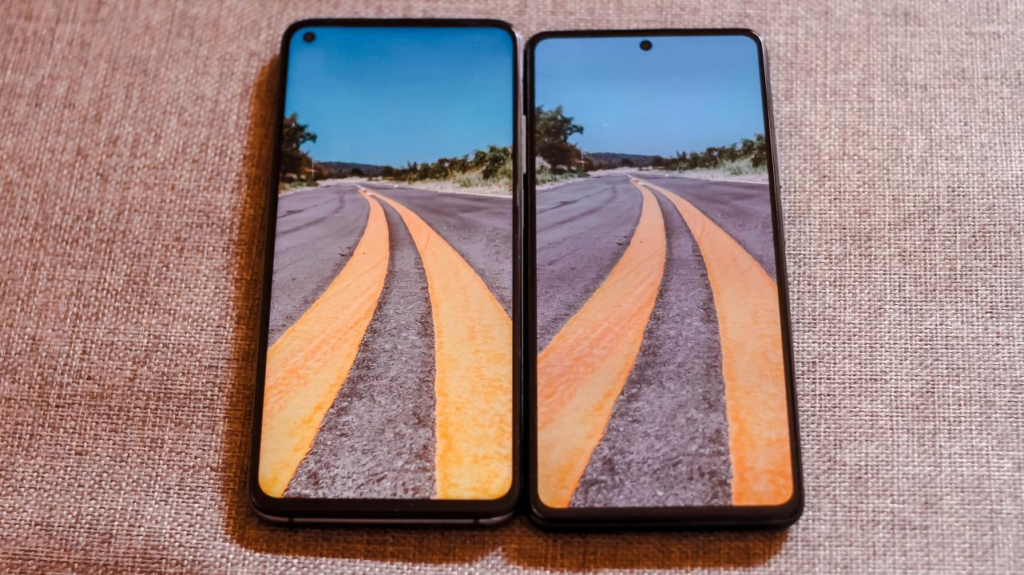
There is no single “best” display—it depends on your needs.
Choose OLED or AMOLED if you want:
- Premium image quality
- Excellent contrast
- Better dark-mode battery efficiency
Choose IPS LCD if you need:
- Reliable color accuracy
- Lower replacement cost
- Long-term durability
Choose TFT LCD if you prefer:
- Affordable repairs
- Stable performance
- Budget-friendly replacement screens
For repair shops, offering multiple display options allows you to meet different customer budgets and device requirements.
Why Display Type Matters for Phone Repair
The display technology affects:
- Replacement cost
- Installation difficulty
- Customer satisfaction
- Device resale value
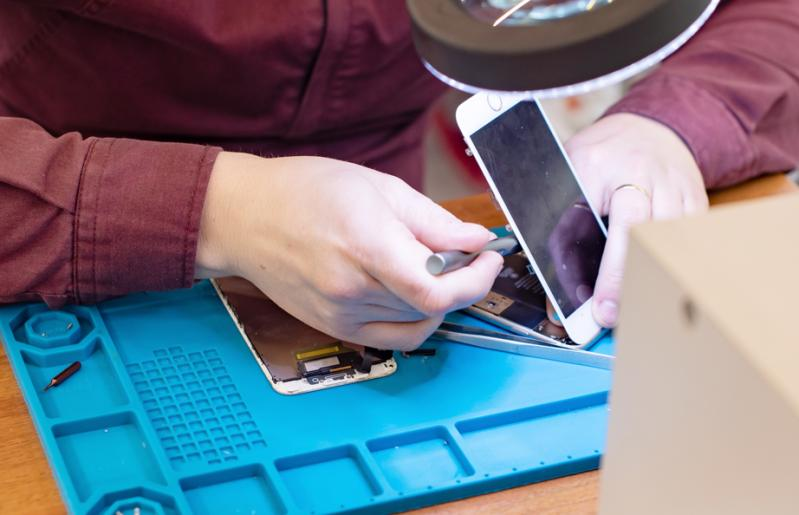
OLED replacements usually cost more but provide a closer-to-original experience, while LCD and TFT screens remain excellent choices for economical repairs.
Conclusion
Understanding the different types of display helps consumers and repair professionals make informed decisions. While OLED and AMOLED offer premium image quality and battery efficiency, IPS LCD and TFT LCD remain dependable, cost-effective solutions for many smartphones.
For phone repair shops and wholesalers, stocking a variety of display panel types ensures you can provide the right replacement screen for every customer, balancing performance, quality, and budget.