
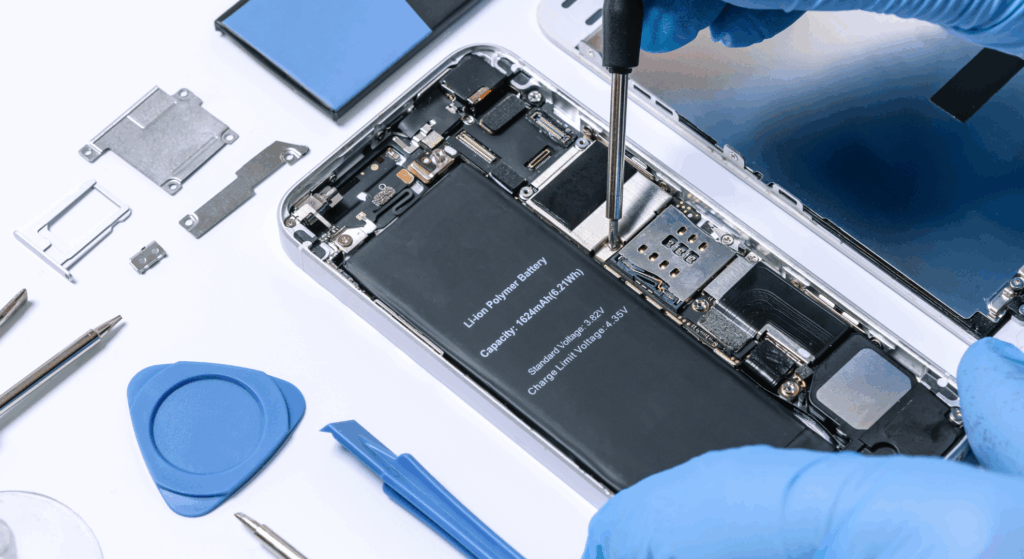
Swollen iPhone batteries are a common issue faced by repair shops and device service providers, causing screen lifting, frame separation, overheating, and potential component damage. For repair businesses, wholesalers, and battery suppliers, understanding the causes of battery swelling, early warning signs, replacement requirements, and quality differences is essential to reducing returns and improving repair reliability.
This guide explains why iPhone batteries swell, how swelling affects device performance and safety, what steps should be taken when problems occur, and how choosing reliable replacement batteries can help ensure safer and more consistent repairs.
What is a Swollen Battery and How Does it Affect an iPhone?
A swollen battery issue on an iPhone occurs when the lithium-ion battery inside the device builds excessive internal pressure, causing the cell to physically expand. This expansion affects the display, frame, and internal components, resulting in serious safety and performance issues.
What Causes a Lithium-Ion Battery to Swell?

Alt txt: Causes of a Lithium-Ion Battery Swelling
Here are the common causes of a swollen battery:
- Overheating or leaving the device in a hot environment
- Battery degradation over time
- Overcharging or using low-quality chargers
- Manufacturing defects that trigger abnormal chemical reactions
- Physical damage that leads to gas buildup within the cell
These issues increase pressure inside the battery, making it a potential fire hazard if not replaced promptly.
Early Warning Signs of a Swollen iPhone Battery
A new battery doesn’t swell overnight, but the process takes time, and it gives users some early warnings for it:
- Screen lifting or frame distortion
- Back cover separation
- Button misalignment (volume, side key, mute switch)
- Overheating or the device feeling unusually hot
- Faster battery drain and poor battery health readings
- These symptoms often appear before users notice noticeable bulging.
How Does Swelling Damage Internal Components?
A swollen lithium-ion battery can put force on multiple fragile parts, including:
- Flex cables for the display and sensors
- The internal display structure (LCD or OLED)
- Frame alignment, causing gaps and reduced water resistance
- Nearby components such as speakers, the Taptic Engine, and charging assemblies
Left untreated, the issue may crack the screen, affect touch, disrupt power delivery, or lead to permanent hardware failure.
Common Causes of iPhone Battery Swelling
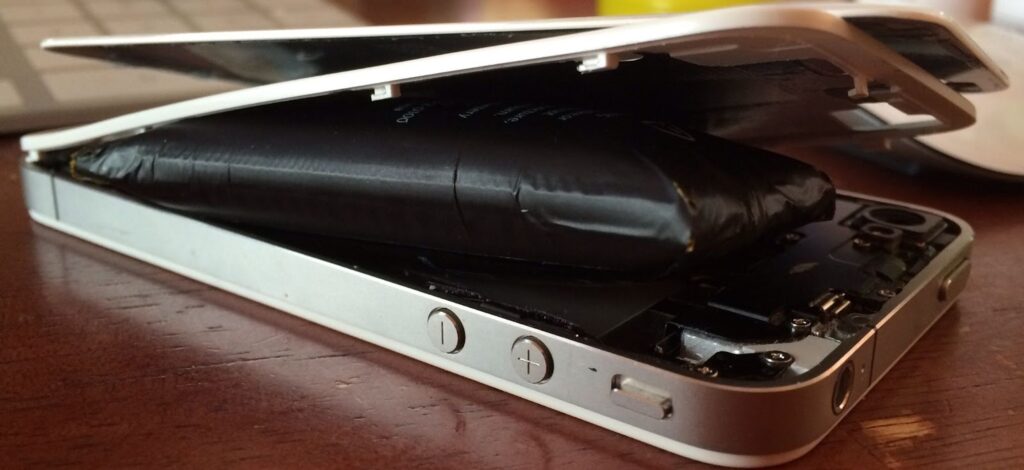
Alt txt: A swollen iPhone battery
Overcharging and Heat Exposure
High temperatures are among the most common causes of battery swelling. Leaving the iPhone in a hot car, using it while charging, or exposing it to direct sunlight can accelerate chemical reactions in the battery. This increases internal pressure, producing gas that bulges the cell. Overcharging, especially with low-quality chargers, adds more electrical load, degrading components faster.
Physical Damage or Manufacturing Defects
A swollen battery may also result from:
- A dent, drop, or internal puncture
- An internal short caused by impact
- Weak seals or impurities during production
- A rare manufacturer’s defect
Any of these can disrupt the battery’s chemical stability, accelerating gas buildup and pressure. Damaged batteries are significantly more dangerous because punctured lithium cells can catch fire if mishandled.
Battery Age and Charge Cycles

Alt txt: Battery Age and Charge Cycles
As an iPhone ages, so does its lithium-ion chemistry. After 500–800 charge cycles (typically 2–4 years), the battery naturally loses efficiency. Degraded materials heat up faster, swell more easily, and show early signs like faster drain, poor battery health, or device shutdowns. Older phones, such as iPhone 11, iPhone 11 Pro Max, or older iPad models, are more susceptible.
Third-Party or Cheap Aftermarket Batteries
One of the biggest contributors to swelling is the use of cheap aftermarket batteries with poor build quality and inaccurate internal protection circuits. These low-grade cells are more prone to overheating, gas expansion, and voltage instability.
To avoid this risk, repair shops and B2B buyers should rely on OEM-grade, certified batteries from trusted suppliers.
What to Do When an iPhone Battery Starts Swelling?
A swollen iPhone battery should never be ignored. As internal gas pressure increases, the battery can push against the display, separate the frame, damage flex cables, and create a potential safety hazard. Continuing to use or charge a device with a swollen battery increases the risk of further damage.
Risks of Using an iPhone With a Swollen Battery
A swollen lithium-ion battery can affect both safety and device performance, including:
- Display lifting or cracking: Expansion pressure can push the screen away from the frame or damage the LCD/OLED assembly.
- Internal component damage: Flex cables, sensors, speakers, charging assemblies, and other nearby components may be affected by the increased pressure.
- Overheating and instability: A damaged battery may cause abnormal heat, faster battery drain, unexpected shutdowns, or charging issues.
- Fire risk: Although uncommon, damaged lithium-ion cells can become unstable and may ignite if punctured, compressed, or exposed to excessive heat.
Immediate Steps for Users
If an iPhone battery shows signs of swelling, follow these steps:
- Turn off the device immediately
Disconnect power and stop using the phone to reduce electrical stress on the battery. - Avoid pressing or bending the device
Do not push down on the lifted screen or attempt to flatten the battery, as this may damage the cell. - Keep the device away from heat sources
Avoid direct sunlight, hot environments, and charging until the battery is replaced. - Seek professional replacement service
A swollen battery should be removed and replaced by trained technicians using proper tools and safety procedures.
Safety Guidelines for Repair Shops
For repair professionals handling swollen iPhone batteries:
- Use appropriate protective equipment, including gloves and eye protection.
- Avoid puncturing, bending, or applying pressure to the battery cell.
- Place damaged batteries in a fire-resistant storage container.
- Inspect the display, frame, and internal components for secondary damage.
- Follow local regulations for lithium-ion battery disposal.
Replacing a swollen battery promptly helps prevent additional repair costs and protects both technicians and customers from unnecessary safety risks
iPhone Swollen Battery Replacement Cost (Realistic Breakdown)
Understanding the cost of replacing a swollen iPhone battery is important for consumers, repair technicians, and B2B buyers. Because a swollen battery can stress the display, damage flex cables, and compromise overall device safety, pricing varies depending on where the repair is performed and the parts used.
- Apple Store Pricing
Apple-authorized service providers typically offer fixed pricing tiers based on iPhone model and warranty status. iPhone battery replacements are generally more expensive because Apple uses genuine batteries, follows strict safety protocols, and may require additional repairs if swelling has caused screen lifting or frame pressure.
- Third-Party / Repair Shop Pricing
Independent repair stores offer more flexible pricing since they may use OEM, high-quality aftermarket, or “generic” batteries. Costs vary depending on:
- Model Type: For example, iPhone 11 vs. iPhone 11 Pro Max vs. newer models
- Labor Complexity: Devices with tight seals or warped frames from pressure require careful opening
- Additional Damage: Swelling often cracks the LCD or OLED, loosens the adhesive, or stresses the display flex cable
If swelling has caused visible separation of the back cover, misalignment of buttons, or touch issues, additional repair steps may be required.
- Wholesale Pricing for Repair Stores & B2B
For bulk buyers and repair businesses, the price depends on quality and quantity:
- OEM batteries: Best for long-term reliability, lower swelling risk, stable chemical behavior.
- Premium aftermarket batteries: More affordable but vary in accuracy, battery health reporting, and long-term safety.
- Ultra-cheap batteries: Often responsible for repeated swelling, overheating, or early degradation due to poor chemical stability.
Super Quest supplies high-quality replacement iPhone batteries with OEM-level quality control for repair shops, wholesalers, and distributors.
Cost Factors
| Factor | Impact on Cost |
|---|---|
| iPhone model | High |
| Battery quality | High |
| Labor | Medium |
| Screen damage | High |
If these components are damaged, the total repair cost increases, sometimes requiring a new display, new adhesive, or even a partial frame realignment.
Can a Swollen Battery Be Repaired or Fixed?
No. A swollen lithium-ion battery cannot be repaired or reused because internal chemical damage is irreversible. It should be replaced immediately by a qualified technician.
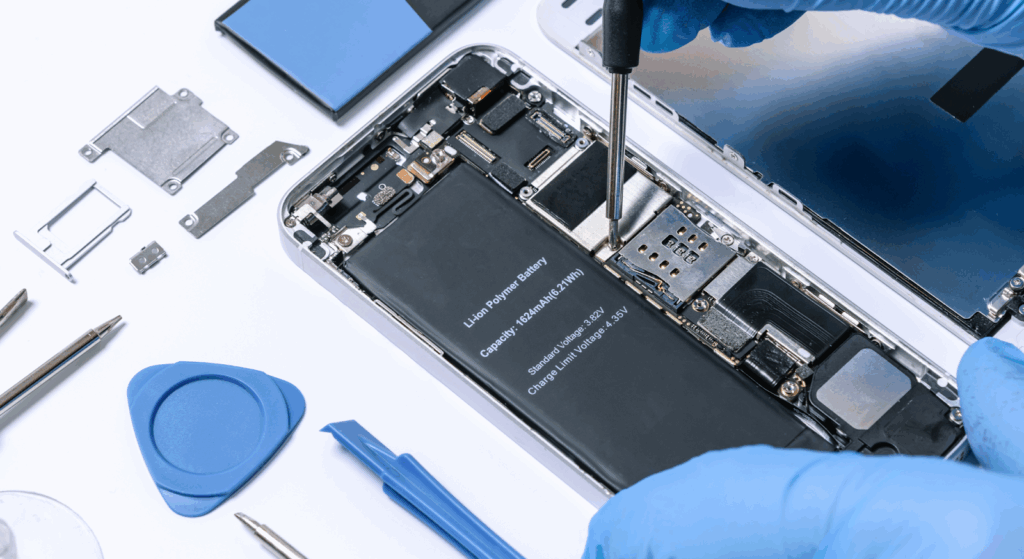
Alt txt: Can a Swollen Battery Be Repaired or fixed
How to Prevent iPhone Battery Swelling?
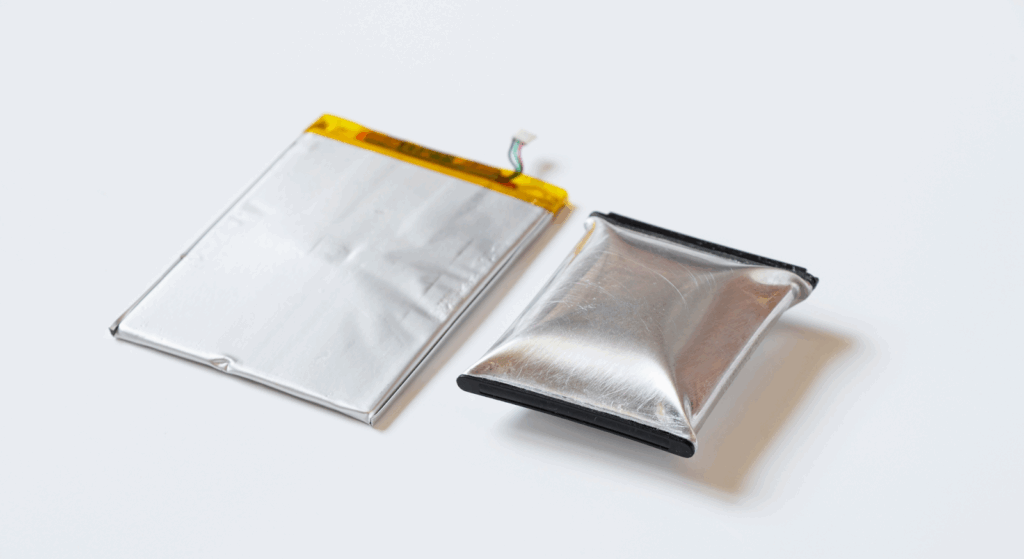
Alt txt: How to Prevent iPhone Battery Swelling
Preventing swollen-battery issues on iPhone starts with proper care and safe charging habits. Lithium-ion batteries naturally degrade, but these steps dramatically reduce swelling risk:
Avoid Heat
Keep your iPhone away from hot cars, direct sunlight, and heavy gaming while charging. High temperatures accelerate chemical reactions and the buildup of internal pressure.
Avoid Cheap Chargers
Low-quality adapters cause voltage spikes that damage lithium-ion cells. Always use MFi-certified or branded chargers.
Replace Batteries at 80% Health
When Battery Health drops below 80%, degradation speeds up. Proactive replacement prevents swelling and protects other parts, such as the display and flex cables.
Store Devices at 40–50% Charge
For long-term storage, partial charge keeps internal chemistry stable and prevents gas buildup.
Use Certified, High-Quality Batteries
Cheap aftermarket batteries often use poor cells and weak safety circuits. Use OEM or high-grade replacements, especially for repair shops.
Why OEM-Quality Batteries Matter for Repair Stores & Wholesalers?
For repair businesses, choosing the right battery is critical. OEM-quality parts significantly reduce customer complaints and protect device integrity.
Lower Failure Rate
High-grade lithium-ion cells maintain stable voltage, reducing heat, swelling, and sudden drain issues.
Reduced Swelling Risk
Proper manufacturing eliminates impurities that cause gas expansion, internal shorts, and swelling.
Compatibility With Battery Health Features
OEM-level batteries ensure accurate battery health, cycle count, and performance data, important for iOS diagnostics.
Higher Customer Satisfaction & Retention
Using reliable batteries minimizes comebacks, refunds, and negative reviews. Shops that prioritize quality build long-term trust. Shop high-quality OEM and aftermarket iPhone batteries in bulk at Super Quest. Contact us now to get a quote.
Frequently Asked Questions
What causes replacement iPhone batteries to swell?
Poor-quality battery cells, weak protection circuits, overheating, and improper manufacturing processes can increase swelling risks.
How can repair shops reduce battery-related returns?
Choosing tested replacement batteries from reliable suppliers helps reduce swelling issues, battery health complaints, and repeat repairs.
How long can I keep using the phone?
You should not use the phone at all. Continuing to use an iPhone with a swollen battery increases the risks of fire, display damage, and pressure-related failure. Turn it off and seek repair.
Does a swollen battery damage the screen?
Yes. Swelling can crack the display, break the back cover, stress the flex cables, and misalign the frame. This often leads to additional repair costs beyond the battery replacement.
What should wholesalers check before buying iPhone batteries?
Wholesalers should evaluate battery cell quality, safety testing, capacity consistency, packaging, and supplier quality control.
Conclusion
A swollen iPhone battery should never be ignored. Replacing it promptly with a certified, high-quality battery helps prevent further damage, improves device safety, and extends service life.
For repair shops, wholesalers, and distributors, choosing reliable OEM-grade batteries also reduces warranty claims and ensures consistent repair quality. Contact Super Quest today for bulk pricing, OEM solutions, or free sample inquiries.