
Are you looking to understand in-cell displays? How do they impact smartphones? Well, whether you repair phones or run a wholesale business, you need to understand in-Cell technology. Basically, an in-cell screen combines the touch layer of the phone with the LCD. It is making devices thinner and more responsive.
In this article, we will thoroughly discuss what in-Cell displays are, how they work, and their advantages. Moreover, repair shop owners and wholesalers will know how to make a smart sourcing decision. So, stay connected!
1) What Is In-Cell Display Technology?
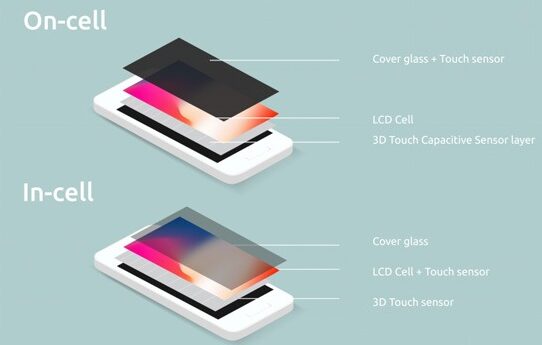
What is In-Cell display? In-cell display means the touch function of the screen is built inside the LCD of the panel. Actually, in an ordinary system, a separate touch layer is placed on top of the LCD panel. In in-Cell displays, the touch sensors are integrated inside the pixel structure of the panel. So, the screen works as a single unit.
Basically, the purpose of the technology was to make the smartphones thinner and lighter. You know, older screens have many layers of functionality sitting on top of each other. And, each layer increases thickness of the overall phone. This in-Cell system is the solution to this problem.
By placing the touch electrodes inside the LCD, the signal path has become cleaner and shorter. For example, now finger response feels faster and smoother. Moreover, the display looks better and clearer.
For businesses, In-Cell displays mean one fully integrated module. You know, display layer and touch work as a single unit; they need to replace the whole unit, not only the glass. That’s why in-Cell displays are changing the decisions of repair businesses.
How In-Cell Is Different from Traditional LCD
In a traditional LCD, the LCD and the touch layer work as different components. The touch layer sits on the top of the LCD panel. The LCD shows images and doesn’t participate in the touch function. LCD screens shine bright in direct sunlight.
In an In-Cell display, touch sensors are integrated within the LCD panel. There’s no extra layer of touch layer. Both LCD and touch detection work as a single structure. It makes the portable devices thinner and more compact.
In a traditional layer, each layer is added with bonding glue, which adds reflection and reduces the transmission of light. In contrast, In-cell displays have reduced these layers and improved the clarity of the screen.
For repairs, this difference means a lot. You can’t separate the touch and LCD layer. So, full-screen replacement is the final and safest solution. But it can affect the cost and time of repair for your shop.
2) How In-Cell Displays Work in Smartphones
Alright! In this section, we will discuss what is the structure of touch sensors and how they differ from other types of displays, like On-Cell displays, out cell screens etc. Have a look;
In-Cell Touch Sensor Structure
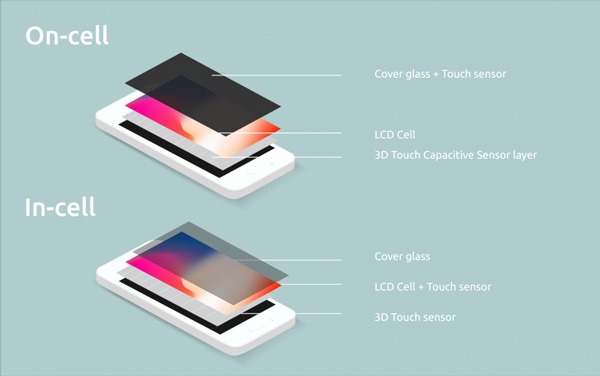
As we discussed, the electrodes are built inside the LCD pixels. So, the screen can sense the movement of your fingers without an extra layer of a touch detector. Actually, when you touch the screen, these signals travel through the LCD’s internal circuit and go to the phone’s processor. As the touch sensors are part of the LCD panel, the path is shorter and clearer. Ultimately, signals reach the processor faster and more accurately.
Moreover, due to fewer layers, there is less reflection and excellent light transmission, which makes the screen look clearer. The colours look more vivid and sharp. For the manufacturer, it is a plus point to design a sleeker phone and get a high screen-to-body ratio.
In-Cell vs On-Cell vs Traditional LCD
Okay, let’s compare in-Cell, On-Cell, and traditional LCD.
Structure
- Traditional LCD: The touch layer is present as a separate layer on top of the LCD panel.
- On-Cell: Touch layer is present above the LCD layer, still a separate layer.
- In-Cell: Touch layer is integrated inside the lCD pixels.
Thickness
- Traditional LCD: Due to multiple layers, it is thick.
- On-Cell: It has medium thickness.
- In-Cell: Thinnest ever, because there is no extra layer of glass substrate present.
Touch Responsiveness
- Traditional LCD: Due to a longer path for signals, it offers a slow response.
- On-Cell: Response is moderate here.
- In-Cell: Due to a shorter signal interference path, the response is amazingly fast.
Display Clarity
- Traditional LCD: More reflection and lower light transmission due to multiple layers.
- On-Cell: Better than traditional LCD.
- In-Cell: Sharpl vivid, and clear display.
Repair Complexity
- Traditional LCD: The touch sensor layer and the LCD layer can be separated and replaced easily.
- On-Cell: Particle repair is possible.
- In-Cell: Partial repair is almost impossible. Only full module replacement is the safest option.
Understanding these basic contrasts helps you make better decisions while sourcing and making repair decisions.
3) Advantages of In-Cell Display Technology
In-Cell display technology has a lot of advantages. Let’s discuss;
Thinner Display Design
One of the biggest advantages of in-Cell displays is their compact design. Due to a reduction in layers, the devices have become thinner. Unlike traditional screens, these devices are not heavy; they are modern, sleek, and slimmer.
It is also worth noticing that thinner screens offer hugh screen-to-body ratio. These phone has larger displays without increasing the overall size of the phone. So, it is really an appreciating factor for edge-to-edge phones and foldable smartphone models. Simple to say, this technology has made devices comfortable to hold.
Improved Touch Responsiveness
These devices are faster and more accurate. Due to the short signal path, the signals travel faster to the processor. So, it reduces the time between your finger movement and screen response, making the experience smoother.
This element is really helpful in everyday tasks, like scrolling through apps, typing, or gaming. You get instant feedbackand it feels natural. For wholesalers and repair shops, this advantage is the reason why In-Cell displays are preferred for mid-range and premium smartphones.
Lower Power Consumption
It is understood less layers consume less energy. Therefore, In-Cell display in smartphones is also energy efficient. Less power is required to operate the lCD panel and touch detectors. So, it allows a longer life for the battery without increasing the actual size of the battery.
For manufacturers, this element is worth noticing, as it allows them to integrate compact batteries without compromising the battery life of the device. So, for a mid-range phone, where battery capacity is limited, this advantage is really beneficial.
Cost Benefits for Mid-Range Smartphones
You know, touch sensors and LCD pixels are a single unit. So, it lowers production and replacement costs. Moreover, less material is required to make the components. It reduces the overall expenses of manufacturing.
Due to the simplified structure, it is easy for the wholesalers and repair shops to stock it. Honestly speaking, these are best for mid-range phones, as they are reasonable but have the best performance. Well, due to the perfect blend of best quality and cost, In-Cell displays are popular in the B2B market.
4) In-Cell Display vs Other Smartphone Display Technologies
In this section, we will have a closer look at the main differences between In-Cell, OLED, and AMOLED displays. Keep reading!
In-Cell vs OLED
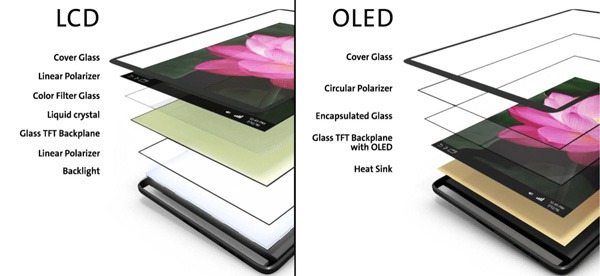
OLED displays are different from In-Cell displays because in OLED displays, each pixel emits its own light. In-Cell displays depend on LCD for light. OLED displays are sharper and clearer, providing deeper blacks.
In-Cells displays win in compactness and touch response, whereas OLED displays excel in display quality regarding visuals.
If we talk about repairing, then OLED displays are difficult to repair, as they are expensive, delicate, and need more care. On the other hand, In-Cells displays are simpler and cost-effective, and can be repaired easily, comparatively. So, for repair shops, it is easier to replace In-Cell displays. OLED displays are more specialised and demand precise handling to avoid any type of damage.
In-Cell vs AMOLED
For faster refresh and less power usage, OLED displays have added an active-matrix technology in the system; these modern OLEDs are termed AMOLED. If we compare AMOLED with In-Cell displays, AMOLEDs are thicker than In-Cell displays but thinner than traditional LSDs.
In-Cell displays are best in performance and assembly, AMOLED displays excel in contrast, colour, and energy efficiency.
Well, for repair shops and wholesalers, it is worth noticing that In-Cells displays can be stocked easily, while AMOLED displays need professional-level skills for stocking and repairing. Moreover, it can incur high costs. So, In-Cell displays are a practical choice for a mid-range phone. They offer quality without compromising the user experience.
5) In-Cell vs OLED – Repair and Replacement Differences
Okay, now let’s have a deeper look at the In-Cell vs OLED repair differences.
Structural Differences That Affect Repairs
The main difference lies in the integration of touch sensors. You know, in In-Cell displays, sensors are directly integrated into the pixels of the LCD. So, In-Cell displays are straightforward in design. Therefore, full replacement is easy, but partial replacement is really hard.
If we talk about OLED displays have separate organic layers, which are delicate and expensive. Utmost care is mandatory as these layers can get damaged during repair. Moreover, it depends on the model of the phone. Well, technicians need specialised skills and tools to handle OLED displays.
Cost Comparison for Repair Shops
In-Cell replacement screens are more affordable than OLED ones. Due to integrated design, they reduce manufacturing costs. Apart from this, labour is simple, as there is no need of sepearting the layers.
OLED screens are expensive. They need technicians who can handle the OLED screens professionally. It increases the labour costs, ultimately increasing the overall cost.
So, for repair shops, replacing the In-Cell screen is more beneficial. Moreover, OLED displays are best for premium smartphones, where customer expectations align with prices.
Failure Rate & Durability
In-Cell displays are resistant to wear, touch failure, and ghost touches. In case of any damage, it needs a full replacement. Although minor cracks don’t have much effect on touch functionality, the screen should be repaired immediately before the issue gets worse.
OLED screens are more likely to have burn-in or dead pixels. Therefore, it is really important for repair shop owners to understand these differences to manage the inventory prices and customer expectations.
6) In-Cell Display Repair – What Repair Shops Should Know
Before repairing, there are certain factors that repair shops should know. Have a look;
Common In-Cell Display Issues
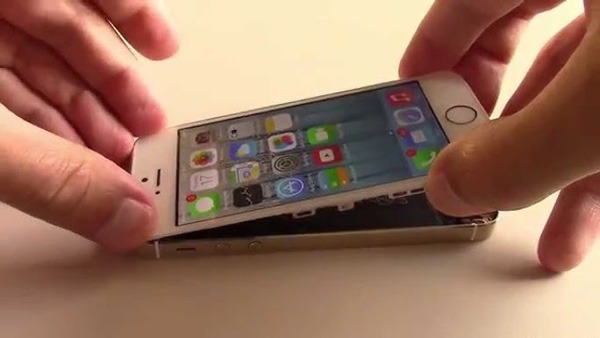
Although In-Cell displays are reliable, they can cause some issues. And, one of the common issues is their touch failure. You know, sensors are integrated into teh LCD, any damage to the module can cause a complete loss in touch detection.
Another issue is the particle display damage. Sometimes, dead pixels or cracks may appear on a specific part of the screen. Altough issue happen in a certain area, due to the integrated structure, it affects the entire In-Cell display.
Also, line or ghost touch can occur. There can be streaks, unexpected lines, or gliche son teh screen. This issue happens due to damage to the internal layer, which can be due to an accidental drop of the phone.
Replacement vs Repair Strategy
Due to integarted structure, In-cell displays demand a full replacement. If you try to repair only t teh afected are, it will increase the risk and may not restore the functionality of your phone. Yes, it can lead to more ghost touches and uneven reposes. Therefore, for repair shops, it is recommended to replace the entire In-cells module, which reduces the chances of customer complaints to agreat extent.
7) In-Cell Displays in Replacement Screens
To get the quality In-Cell replacement screens, it is important for you to understand the differences between the good and low-quality screens. Moreover, we will discuss what factors should be kept in mind while making a decision.
Original vs Aftermarket In-Cell Displays
The very first thing is that the original displays are prepared by OEM’s or authorised manufacturers. They offer durability, accurate response, and good brightness. Smooth touch and vivid colors makes the user experience better than ever before.
It is really worth mentioning that third-party manufacturers often produce aftermarket In-Cell screens. These displays are cheaper and of low-quality. They do not respond well and offer inconsistent brightness. So, for repair shops, it is necessary to be careful while sourcing screens. It is better to choose a professional, trustworthy supplier.
Quality Factors That Matter for Wholesalers
In this part, we will discuss some factors that wholesalers and repair shop owners should keep in mind.
- Panel grading: You know, screens are given grades based on the uniformity of their brightness, dead pixels, and overall visual experience. A high-grade screen reduces the risks of failure and customer complaints.
- Strict Quality Control: Quality standard is not something that you can ignore. The screen should be tested for accuracy, touch performace, color comsistnecy and durability.
- Return rate: Another factor is return rate. You know, low-quality panels can be damaged more easily. So, they can affect the profit margins as well as the reputation. So, wholesalers should prefer suppliers offering proven QC and consistent production experience.
If you focus on these factors, you can provide your customers with quality in affordable price. It will help boost customer trust, ultimately growing your business.
8) Choosing Between In-Cell and OLED for Screen Replacement
Still confused between OLED and In-cell screen? Really, consider the factors described below, and your problem will be solved.
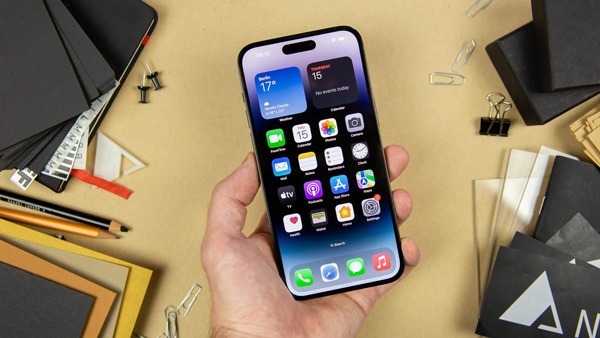
i) Budget vs Premium Repair: In-Cell screens are cost-effective, and they are ideal for mid-range phones. If you want something premium, then an OLED screen can prove best, but it is a bit costly.
ii) Customer Expectations: You know, OLED offers higher contrast, vibrant colour, and deeper blacks, and In-cell displays offer fast touch response, so consider the priorities of your customer.
iii) Phone Model Compatibility: Match the display type with the model of the phone. If you choose the wrong one, it will affect the functionality and lead to installation issues.
iv) Long-Term Reliability: If your customer demands durability and resistance, the In-Cell screens are best. Yes, OLED displays can cause dead pixels, fading, or layer damage.
9) Why Display Quality Matters When Sourcing In-Cell Screens
Now, we will discuss why the quality of the screen is an important factor to consider while sourcing In-Cell screens.
- Brightness Uniformity
High-quality displays offer consistent colours, preventing glicjes and patches. These screens offer consistent brightness and reduce the risk of returns for wholesalers and repair shops.
- Touch Sensitivity
Touch sensitivity is also greatly affected by the quality of the display. High-quality displays provide responsive touch, ensuring smooth typing and scrolling. You know, for customer satisfaction, reliable touch is a key factor, especially in mid-range smartphones.
- Durability After Installation
Durability is the factor that matters the most for mid-range smartphones. Although In-Cell displays are durable by default, quality displays will help prevent cracks, dead pixels, etc.
10) Why Repair Shops & Wholesalers Choose SQLCD
SQLCD is a preferred choice of wholesalers and repair shops beacuase offers quality and relaibility in affprable pirce. Our high-quality, precise displays are prepared specifically for the B2B market.
- OEM-Grade In-Cell Displays: SQLCD offers displays that align with original specifications. These high-quality screens are accurate and reliable, helping repair shops boost the trust of their customers.
- Stable Brightness & Touch Performance: The display from SQLCD never disappointed regarding brightness. These screens offer consistent brightness and fast response. When the end user experiences smooth operation during typing, gesture, and scrolling, it builds trust in your consumer electronics brand.
- Strict QC Testing: SQLCD never ignores quality. Every piece undergoes strict quality control for ytouch accuracy, brightness, and durability. So, it reduces returns, defective units, and ensures success for the B2B buyers.
- Bulk Supply for B2B Buyers: SQLCD supports large orders. We help wholesalers and repair shops by providing quality displays in competitive price. Moreover, we provide stock with consistency, so there’s nothing to worry about the shortages or inconsistency.
Professional Technical Support: Our experts guide you on installation, selection, and troubleshooting. For more details, visit SQLCD now!
11) FAQs – What Is In-Cell Display?
1. Is In-Cell better than OLED?
Both displays are designed to serve different purposes. For deeper blacks, high contrast OLED displays are best. And, for fast response and thinner design, In-Cell displays are best.
2. Do iPhones use In-Cell displays?
Yes, many iPhone models use In-Cell displays. It makes them look thinner and offers good touch response.
3. Is In-Cell cheaper than OLED?
Yes! In-cell displays are more affordable than OLED ones. OLED screen ahs individual pixel lighting, which is why they are more expensive.
4. Can In-Cell screens be repaired?
Yes! The full In-Cell module can be replaced easily. But partial repair is really hard and risky as well.
5. Is In-Cell good for replacement screens?
Exactly. High-quality In-Cells screens are best for replacement as they offter relaible burghtness, durability, and accurate touch.
12) Conclusion – Is In-Cell Display the Right Choice?
In a nutshell, In-cell displays are making the screen thinner, lighter, and more responsive. If faster touch, energy efficiency, and affordability are the priorities, In-Cell display is the best choice. For repair shops and wholesalers, In-Cell displays are ideal for mid-range smartphones.
Alright! All the required elements are well understood by SQLCD. We offer OEM and ODM services. Moreover, we offer free samples for customer satisfaction. We also support low MOQs also. So, if you want In-Celll screens of OEM-grade with stable brightness, strict QC, and satisfactory technical support, choose SQLCD. We help businesses deliver qaulity repalcements confidentky and profitably.