
In today’s smartphone market, display technology plays a major role in user experience and repair quality. One technology that has become increasingly popular is the In-Cell screen. It offers a thinner design, responsive touch performance, and a cost-effective alternative to OLED displays.
Whether you’re a phone repair technician, parts wholesaler, or smartphone enthusiast, understanding In-Cell display technology can help you choose the right replacement screen.
What Is an In-Cell Screen?
An In-Cell screen is an advanced LCD display that integrates the touch sensor directly into the LCD panel instead of using a separate touch layer. This design reduces the number of display layers, making the screen thinner and lighter while improving touch responsiveness.
Compared with traditional LCD displays, In-Cell technology offers:
- Slimmer display construction
- Faster touch response
- Better light transmission
- Lower manufacturing costs
- Improved overall display performance
Many mid-range smartphones and replacement screens now use In-Cell technology because it balances quality and affordability.
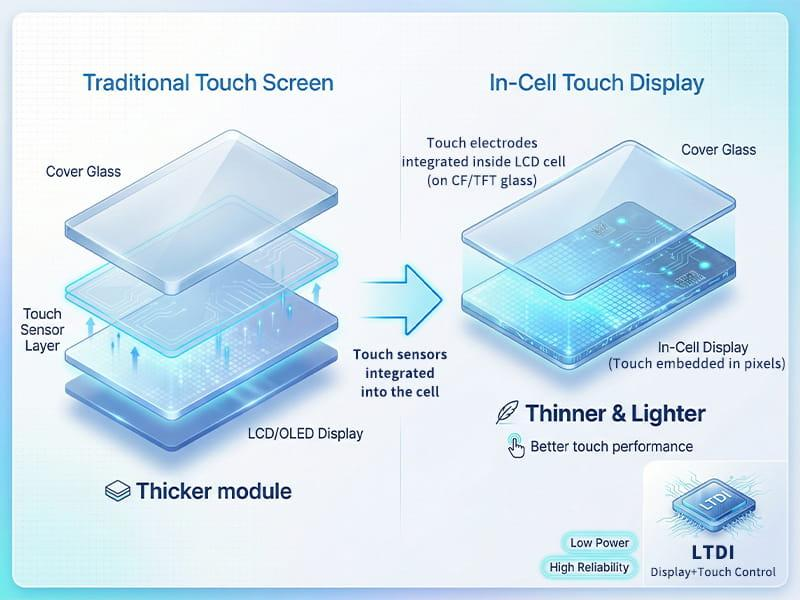
How In-Cell Display Technology Works
Unlike conventional LCD screens that place the touch panel above the display, In-Cell technology embeds the touch sensors within the LCD layer itself.
This integrated design offers several advantages:
- Fewer display layers
- Higher optical clarity
- Reduced screen thickness
- Improved touch sensitivity
- Better sunlight readability
Because there are fewer layers for light to pass through, images appear brighter and clearer.
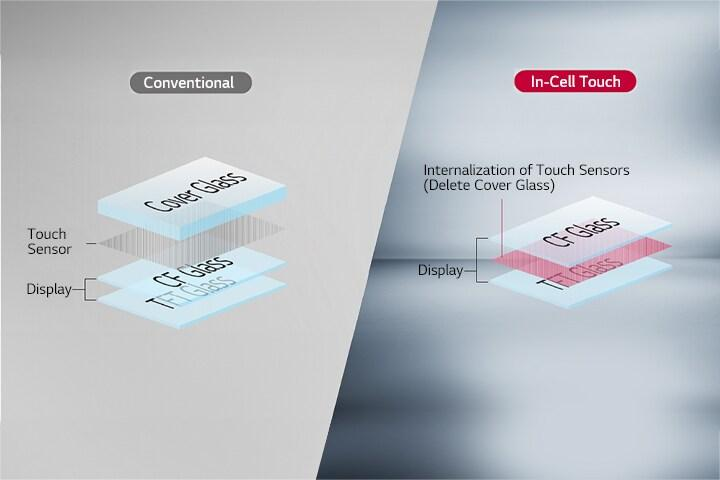
In-Cell Screen vs LCD vs OLED
| Feature | Traditional LCD | In-Cell LCD | OLED |
|---|---|---|---|
| Thickness | Standard | Thin | Very Thin |
| Touch Response | Good | Excellent | Excellent |
| Contrast | Good | Good | Outstanding |
| Black Levels | Good | Good | Perfect |
| Cost | Low | Medium | High |
While OLED displays deliver the best contrast and deepest blacks, In-Cell screens provide excellent brightness and responsiveness at a lower replacement cost, making them a popular option for repair shops and wholesalers.
Why Repair Shops Choose In-Cell Screens
Professional repair businesses often recommend In-Cell replacement displays because they offer an excellent balance between quality and affordability.
Benefits include:
- Reliable touch performance
- Bright, sharp images
- Competitive pricing
- Easier sourcing
- High compatibility with many smartphone models
For customers who want dependable performance without paying OLED prices, In-Cell screens are often the ideal solution.
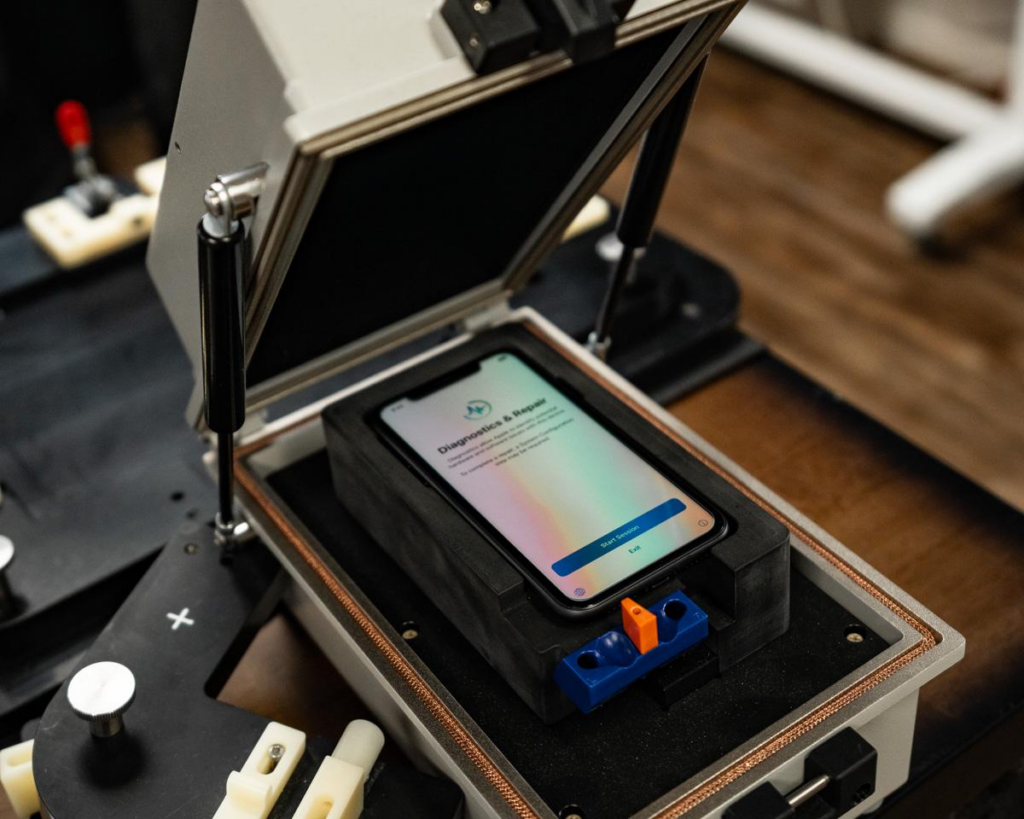
OEM vs Aftermarket In-Cell Displays
Not all replacement screens deliver the same quality. When choosing an In-Cell display, consider factors such as:
- Brightness consistency
- Color accuracy
- Touch sensitivity
- Viewing angle
- Durability
- Warranty support
High-quality OEM-grade or premium aftermarket In-Cell screens help reduce customer returns and improve long-term reliability.
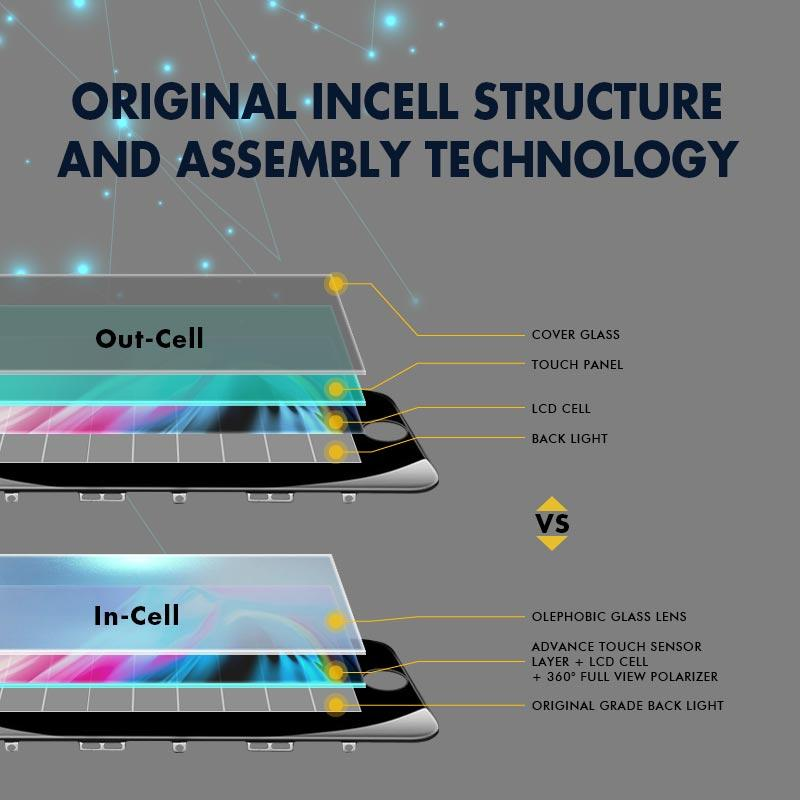
Conclusion
In-Cell display technology has become an important innovation in smartphone LCD design by integrating the touch sensor directly into the display panel. Compared with traditional LCD screens, In-Cell displays are thinner, brighter, and more responsive while remaining more affordable than OLED.
For phone repair shops, wholesalers, and distributors, choosing high-quality In-Cell replacement screens provides customers with an excellent balance of performance, durability, and value.