
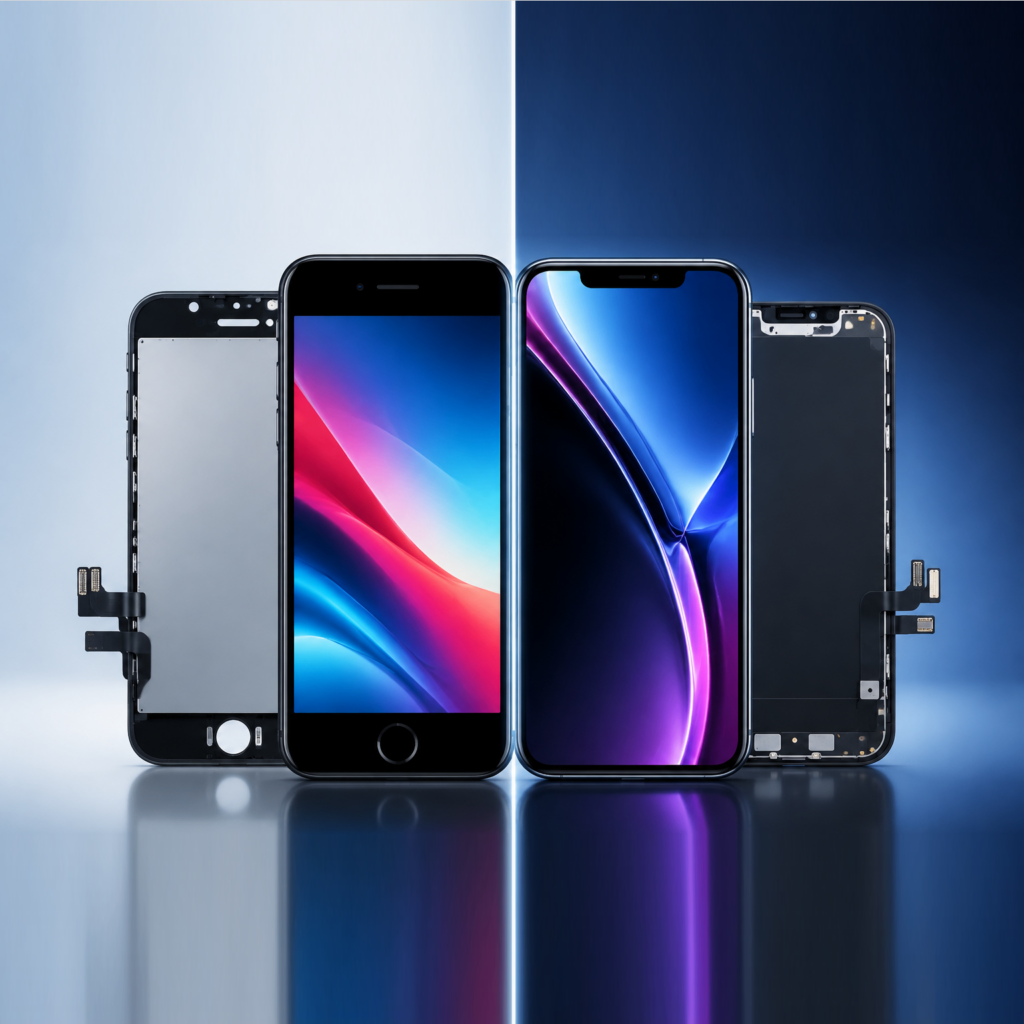
Over the past decade, Apple has continuously reduced iPhone bezel size to create a more immersive display experience. From iPhone 6 to the latest Pro models, bezel design has become a key factor in smartphone aesthetics, screen quality, and user experience, while also impacting screen replacement quality and customer satisfaction.
For repair shops, wholesalers, and refurbishment businesses, understanding iPhone bezel differences is essential because bezel quality directly affects display appearance, installation precision, and the perceived value of replacement screens. Recognizing these factors helps improve repair quality and build stronger customer trust.
What Is an iPhone Bezel?
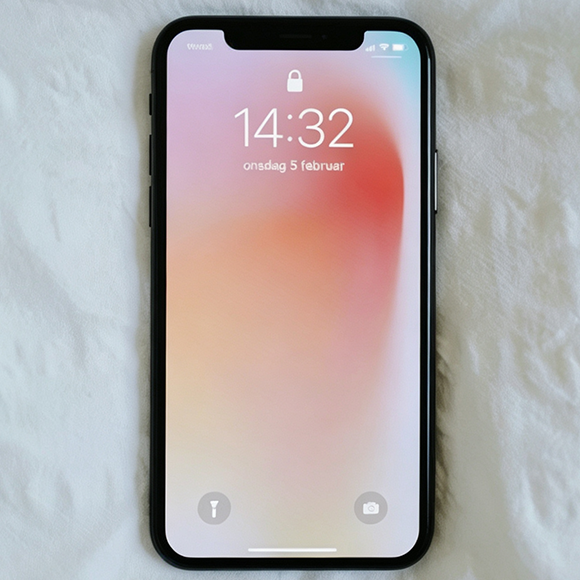
The bezel is the border surrounding the smartphone display. Older smartphones typically had thick bezels because display technologies required additional space for components such as backlights, display drivers, and sensors.
As smartphone technology evolved, Apple focused on maximizing screen space while reducing device size. This led to the development of thinner bezels and higher screen-to-body ratios.
Today, bezel design affects:
- Visual immersion
- Device appearance
- User comfort
- Touch experience
- Replacement screen quality
For repair businesses, bezel consistency is also a major quality indicator for aftermarket screens.
Evolution of iPhone Bezels
Apple’s bezel evolution reflects advancements in smartphone display technology.
iPhone 6 to iPhone 8 – Traditional LCD Bezels
Earlier iPhones used LCD panels that required:
- Larger display borders
- Backlight assemblies
- Additional frame space
These models had relatively low screen-to-body ratios compared to modern smartphones.
iPhone X – Apple’s OLED Revolution
The iPhone X introduced OLED technology and dramatically reduced bezel size. Apple used flexible OLED panels with folded display connectors, allowing the screen borders to become much thinner.
This design changed the entire smartphone industry.
iPhone 11 to iPhone 15 – Continued Bezel Reduction
Modern iPhones continue to improve screen-to-body ratio using:
- Advanced OLED panels
- Improved display lamination
- Smaller display drivers
- Better structural engineering
The result is a more premium and immersive user experience.
iPhone Screen-to-Body Ratio Comparison
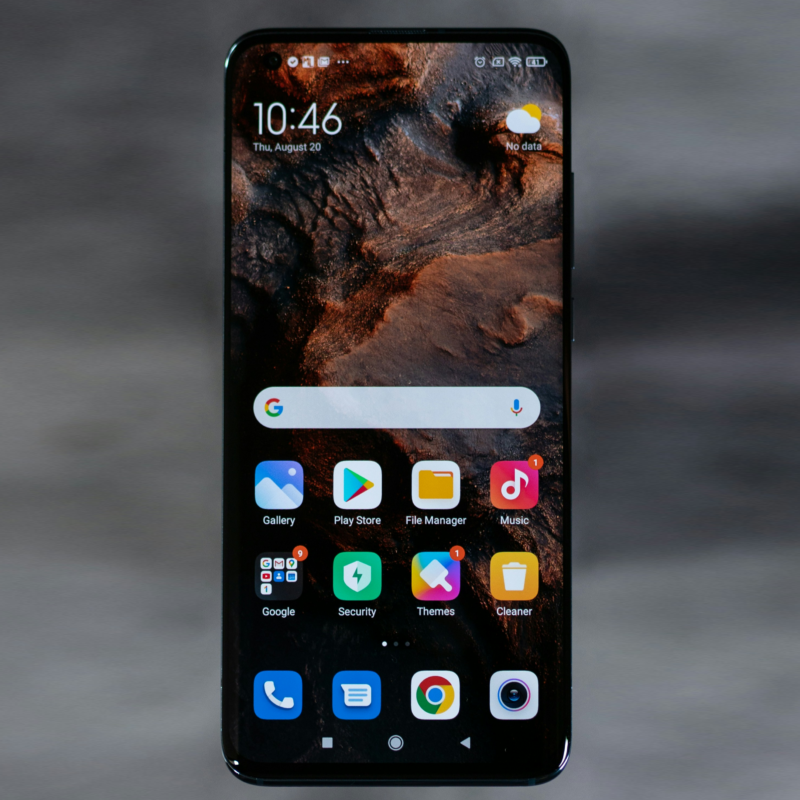
One of the most important factors in modern smartphone design is the screen-to-body ratio. This refers to how much of the front surface is occupied by the display.
| iPhone Model | Display Type | Screen-to-Body Ratio | Bezel Thickness |
|---|---|---|---|
| iPhone 8 | LCD | Lower | Thick |
| iPhone XR | LCD | Moderate | Medium |
| iPhone X | OLED | High | Thin |
| iPhone 13 Pro | OLED | Very High | Very Thin |
| iPhone 15 Pro | OLED | Highest | Ultra Thin |
Higher screen-to-body ratios improve:
- Gaming immersion
- Video viewing
- Touch navigation
- Premium appearance
This is one reason OLED iPhones are often perceived as more advanced than LCD models.
LCD vs OLED Bezel Difference
One of the biggest reasons for bezel differences is display technology.
Why LCD Screens Have Larger Bezels
LCD displays require:
- Backlight layers
- Additional display circuitry
- Larger edge structures
Because of these components, LCD panels naturally have thicker borders.
This is why devices like the iPhone XR and iPhone 11 have visibly thicker bezels than OLED models.
Why OLED Displays Allow Thinner Bezels
OLED technology does not require a backlight. Flexible OLED panels can also fold display connectors underneath the screen, reducing border size.
Advantages of OLED bezels include:
- Thinner display borders
- Better screen immersion
- Lighter display assemblies
- Premium visual appearance
Bezel Impact on User Experience
Many consumers underestimate how much bezel size affects smartphone experience.
1. Better Visual Immersion
Thin bezels create a larger viewing area, improving:
- Video streaming
- Mobile gaming
- Social media browsing
2. More Premium Appearance
Consumers often associate thin bezels with flagship smartphones and higher-quality devices.
3. Improved Touch Experience
Smaller bezels make gesture navigation smoother and more natural.
4. Better Device Ergonomics
Higher screen-to-body ratios allow manufacturers to provide larger displays without significantly increasing phone size.
For repair shops, matching original bezel quality is critical to maintaining customer satisfaction.
Why Bezel Quality Matters in iPhone Screen Replacement
In the repair industry, bezel quality directly impacts customer perception.
Low-quality replacement screens often have:
- Uneven borders
- Thick bezels
- Poor frame alignment
- Reduced display symmetry
Customers can immediately notice these differences.
Common Aftermarket Screen Problems
Thick LCD Borders
Many aftermarket LCD screens use older panel structures that create visibly larger bezels.
Poor OLED Lamination
Low-grade OLED screens may have uneven edge bonding or inconsistent border thickness.
Misaligned Frames
Improper manufacturing tolerances can affect installation precision.
Professional repair shops increasingly prefer higher-quality OLED replacements because they better match Apple’s original design.
Hard OLED vs Soft OLED Bezel Performance
Another important factor is the difference between hard OLED and soft OLED.
Hard OLED
Hard OLED uses a rigid glass substrate. These displays are cheaper but usually have:
- Slightly thicker bezels
- Less flexibility
- Reduced OEM appearance
Soft OLED
Soft OLED uses a flexible plastic substrate similar to Apple’s original screens.
Advantages include:
- Thinner bezels
- Better flexibility
- Improved edge appearance
- Closer-to-OEM screen design
For premium repairs and refurbished devices, soft OLED is often the preferred option.
What Repair Shops Should Know About Bezel Quality
Professional repair businesses should evaluate replacement screens based on:
- Border uniformity
- OLED panel quality
- Lamination precision
- Frame compatibility
- Touch responsiveness
Choosing low-cost screens with poor bezel quality can increase:
- Return rates
- Customer complaints
- Warranty claims
High-quality OLED screens help improve long-term profitability.
How Wholesalers Evaluate iPhone Display Quality
Professional wholesalers evaluate display quality using multiple standards.
Important Quality Factors
1. Bezel Consistency
Uniform borders improve installation appearance.
2. Brightness and Color Accuracy
Premium OLED screens should closely match OEM performance.
3. Lamination Quality
Proper bonding prevents lifting and edge defects.
4. Touch Sensitivity
Poor-quality touch IC components reduce responsiveness.
Reliable suppliers help repair businesses reduce operational risks and improve customer satisfaction.
Why Professional Repair Shops Prefer OLED Replacement Screens
Many repair businesses now prioritize OLED replacement screens because they offer:
- Better screen-to-body appearance
- Closer-to-original bezels
- Improved customer experience
- Higher resale value for refurbished phones
Although OLED replacements are more expensive than LCD alternatives, they often reduce long-term complaints and improve customer trust.
FAQs
Why do OLED iPhones have thinner bezels?
OLED screens use flexible display structures and do not require backlights, allowing manufacturers to reduce border size.
Which iPhone has the thinnest bezel?
Recent iPhone Pro models, especially the iPhone 15 Pro series, feature Apple’s thinnest bezels.
Why do aftermarket LCD screens look thicker?
LCD technology requires additional structural space for backlights and display components.
Does bezel size affect user experience?
Yes. Thinner bezels improve immersion, touch navigation, and premium appearance.
Is soft OLED closer to the original Apple display?
Yes. Soft OLED generally provides thinner bezels and a more OEM-like appearance.
Conclusion
The evolution of iPhone bezels reflects major advances in smartphone display technology. Compared to older LCD models, modern OLED iPhones achieve significantly higher screen-to-body ratios and thinner borders.
LCD screens remain cost-effective, but OLED displays — especially soft OLED — provide:
- Better bezel appearance
- Improved display quality
- Closer-to-OEM user experience
- Higher customer satisfaction
As consumers increasingly expect premium repair quality, choosing the right replacement screen has become a critical factor for long-term repair business success.
If you are looking for a steady supply of LCD and OLED screens with consistent quality control for different iPhone models, feel free to contact SQLCD for samples and wholesale pricing support.