
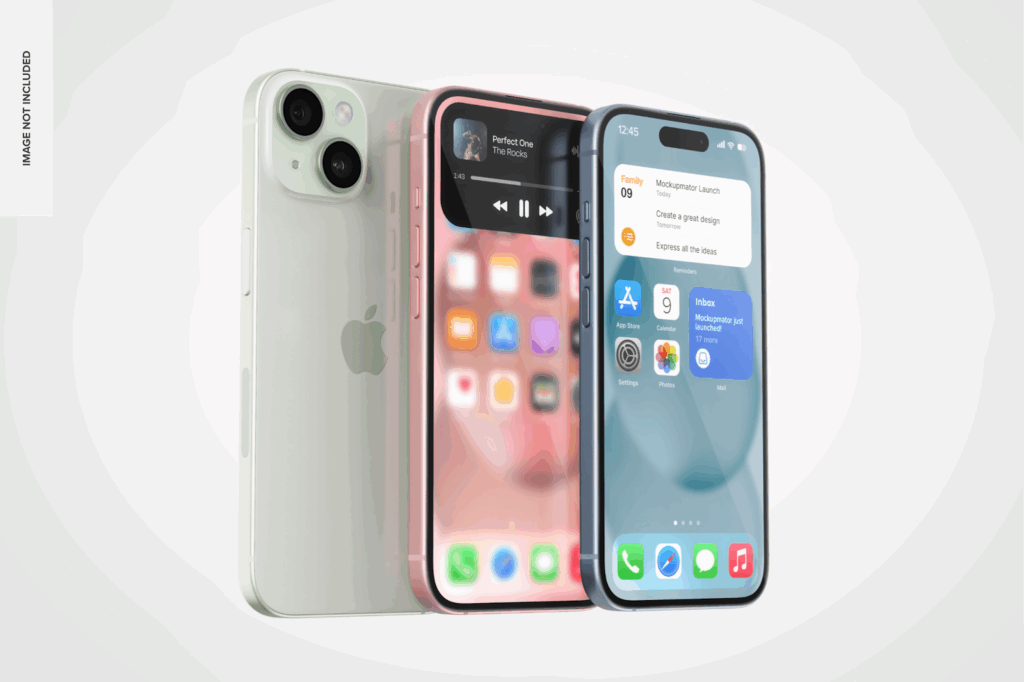
This guide helps repair shops, wholesalers, and retailers understand iPhone display types, including LCD and OLED, to make informed replacement and sourcing decisions. As Apple releases new models nearly every year, the variety of iPhone displays continues to expand.
The rapid advancements in smartphone technology make the industry highly competitive, with iPhone display types at the forefront of innovation. In this blog, we explore the differences between LCD and OLED, helping you choose the right display for your needs.
Key Takeaways
- iPhones primarily use two types of displays: LCD and OLED. LCD displays are commonly found in older models, while the more advanced OLED technology is used in newer models for enhanced performance, color vibrancy, and energy efficiency.
- Apple has set a new benchmark with its Super Retina XDR displays, delivering superior outdoor brightness, deeper blacks, vivid colors, exceptional color accuracy, and improved energy efficiency—ensuring a premium user experience.
- With the introduction of LTPO technology, Apple has effectively minimized battery drain. This innovation, coupled with ProMotion, allows for an adaptive refresh rate, offering a smoother and more fluid display experience.
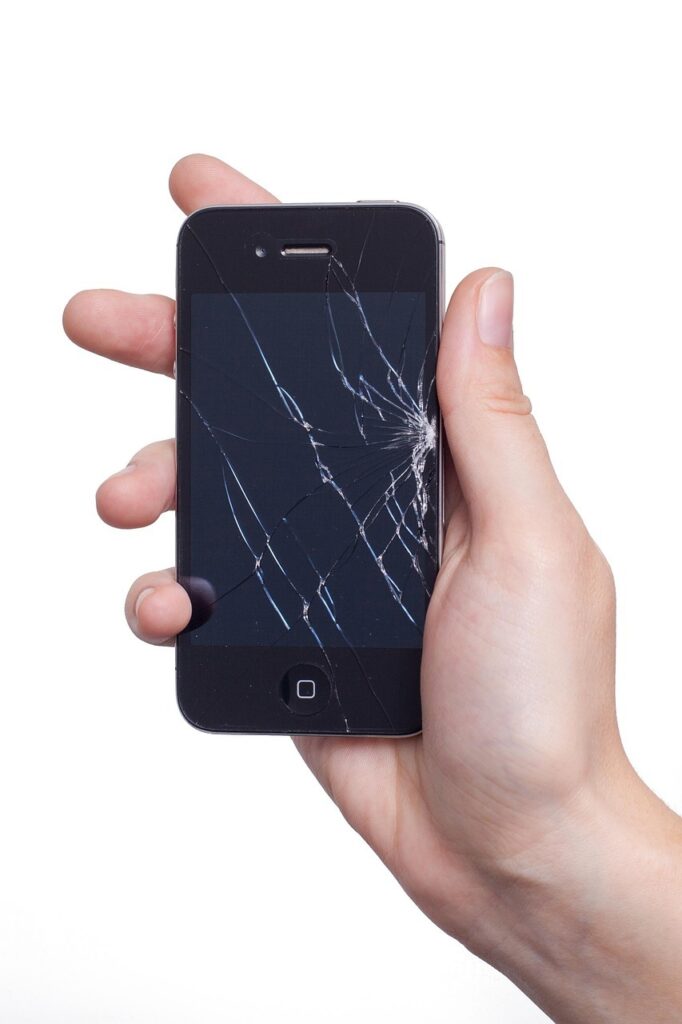
- Screen types vary across different iPhone models. If the screen experiences wear and tear, users can easily replace or repair it. There are a wide variety of suppliers offering compatible displays, making screen replacement convenient and cost-effective.
What Is an iPhone Display Type
An iPhone display type refers to the screen technology used to produce visuals. iPhones use two main display types: LCD (Liquid Crystal Display) and OLED (Organic Light-Emitting Diode). While LCD was the standard, Apple now uses OLED for superior performance in newer models.
LCD screens rely on liquid crystals with a backlight to display images, whereas OLED screens use organic compounds that emit light, offering deeper blacks, brighter colors, and improved contrast compared to LCDs.
Main iPhone Display Technologies
LCD (Liquid Crystal Display)
LCD screens have been a staple in smartphones for years and continue to be used in older models like iPhone 6 through iPhone 11. This technology relies on a backlight to illuminate the liquid crystals, allowing them to produce colors.
- Pros:
- Energy-efficient and produces less heat.
- Less prone to burn-in, making it ideal for users who often use static images or apps.
- Wide viewing angles and generally good color accuracy.
- Cons:
- Lacks the deep blacks and vibrant colors of OLED.
- Lower contrast compared to newer display technologies.
The cost of an LCD screen replacement can range from $11 to $18 per unit in bulk, making it a cost-effective option for wholesalers and repair shops.
OLED (Organic Light Emitting Diode)
Apple’s introduction of OLED technology marked a major improvement in screen quality. OLED panels don’t rely on backlighting, using organic compounds that emit light for brighter colors, richer contrast, and deeper blacks.
Pros:
- Better battery efficiency, which is ideal for power-hungry apps and gaming.
- Vibrant colors and deep blacks, making for a more visually engaging experience.
- Perfect for content creators or anyone who enjoys high-quality media consumption.
Cons:
- More prone to burn-in compared to LCD, which can be an issue with static images left on the screen for long periods.
- More expensive to produce and repair.
Super Retina and Super Retina XDR
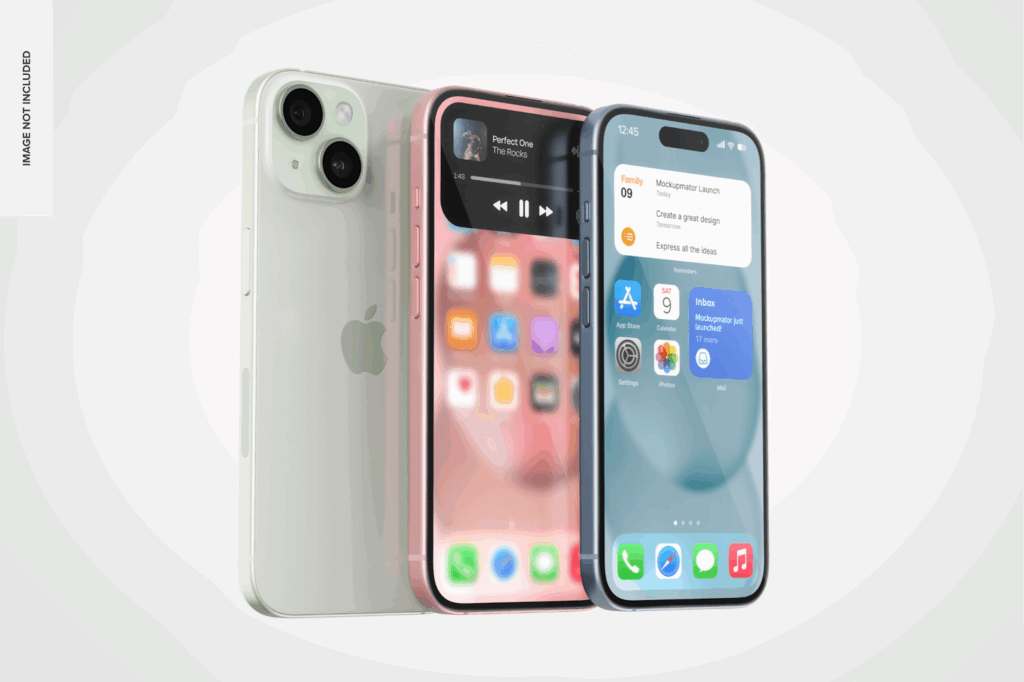
Apple revolutionized smartphone displays with Super Retina and Super Retina XDR. Found in iPhone X, XS, and later models like iPhone 11, these displays offer crisp colors, deep blacks, and high contrast ratios. While they outperform older technologies, they are more fragile and costly to repair.
Liquid Retina & Retina HD
Liquid Retina and Retina HD are used in earlier iPhones, offering LCD technology with a 326 ppi pixel density and a 1400:1 contrast ratio. Liquid Retina improves on Retina HD with anti-aliasing technology, providing smoother visuals and thinner bezels for a more immersive experience.
LTPO & ProMotion Displays
Energy efficiency is one of the top priority features of smartphones these days. LTPO (Low-Temperature Polycrystalline Oxide) displays have solved this problem for iPhones.
LTPO is basically a semiconductor merged into the display hardware. It is usually used as a backplane in an OLED display, which is a light-emitting screen display found in the latest smart devices. It enhances the phone’s performance by increasing the dynamic refresh rates without draining the battery.
For instance, LTPO enabled in iPhone 13 and iPhone 13 Pro allows the ProMotion’s capacity to dial the screen refresh rate in the range of 10 times per second (10Hz) to 120Hz. It comes in the latest models of iPhones, from iPhone 13 to the latest iPhone 17.
iPhone Display Type by Model (Quick Reference Table)
| Model | Display Type | Size | Notes |
| iPhone 6 | Retina LCD | 4.7 inch | good performance |
| iPhone 6 plus | Retina LCD | 5.5 inch | higher Brightness |
| iPhone 7 | Retina LCD | 4.7 inch | Color Accuracy |
| iPhone 7 Plus | Retina LCD | 5.5 inch | high resolution |
| iPhone 8 | Retina LCD | 4.7 inch | wide color and 3D touch |
| iPhone 8 Plus | Retina LCD | 5.5 inch | True Tone display |
| iPhone X | Super Retina LCD | 5.8 inch | wide screen and rounded corners |
| iPhone XS | Super Retina OLED | 5.8 inch | wide screen and rounded corners |
| iPhone XS Max | Super Retina OLED | 5.8 inch | wide screen and rounded corners |
| iPhone XR | Liquid Retina LCD | 6.1 inch | Haptic Touch |
| iPhone 11 | Liquid Retina LCD | 6.1 inch | Haptic Touch |
| iPhone 11 Pro | Super Retina XDR OLED | 5.8 inch | HDR and high contrast ratio |
| iPhone 11 Pro Max | Super Retina XDR OLED | 6.5 inch | Fingerprint-resistant oleophobic coating |
| iPhone SE | Retina HD | 4.7 inch | Latest model with LCD and touch ID |
| iPhone 12 | Super Retina XDR OLED | 6.1 inch | Higher Brightness |
| iPhone 12 Pro | Super Retina XDR OLED | 6.1 inch | Dolby Vision |
| iPhone 12 Pro Max | Super Retina XDR OLED | 6.7 inch | Dolby Vision |
| iPhone 13 | Super Retina XDR OLED | 6.1 inch | 458 psi pixel density |
| iPhone 13 Pro | Super Retina XDR OLED | 6.1 inch | Ceramic shield front cover |
| iPhone 13 Pro Max | Super Retina XDR OLED | 6.7 inch | Ceramic shield front cover |
| iPhone 14 | Super Retina XDR OLED | 6.1 inch | 458 psi pixel density |
| iPhone 14 Pro | Super Retina XDR with ProMotion | 6.1 inch | First model with dynamic island |
| iPhone 14 Plus | Super Retina XDR | 6.7 inch | Same display but in larger size |
| iPhone 14 Pro Max | Super Retina XDR with ProMotion | 6.7 inch | First model with dynamic island |
| iPhone 15 | Super Retina XDR OLED | 6.1 inch | 458 psi pixel density |
| iPhone 15 Pro | Super Retina XDR with ProMotion | 6.1 inch | 120 Hz refresh rate |
| iPhone 15 Pro Max | Super Retina XDR with ProMotion | 6.7 inch | Same 120 Hz refresh rate |
| iPhone 16 | Super Retina XDR OLED | 6.1 inch | 458 psi pixel density |
| iPhone 16 Pro | Super Retina XDR OLED | 6.3 inch | ProMotion display with 120 Hz |
| iPhone 16 Pro Max | Super Retina XDR OLED | 6.9 inch | Includes ProMotion |
| iPhone 17 | Super Retina XDR with ProMotion | 6.3 inch | 120 Hz ProMotion |
| iPhone 17 Pro | LTPO Super Retina XDR OLED | 6.3 inch | 120 Hz ProMotion |
| iPhone 17 Pro Max | Super Retina XDR OLED | 6.9 inch | 3000 nits outdoor performance |
How Display Type Affects Replacement and Sourcing
There are two main suppliers of iPhone display types: OEM (Original Equipment Manufacturer) and aftermarket manufacturers. OEM screens are made by Apple or certified partners, offering superior compatibility and quality. Aftermarket screens are produced by third-party manufacturers, providing a more affordable alternative.
The choice between OEM and aftermarket screens depends on factors like compatibility, quality, and cost. OEM screens deliver better color accuracy and contrast, while aftermarket screens offer a cost-effective option, especially for older models. LCD screens are generally cheaper than OLED screens due to lower production costs.
Understanding these factors helps retailers and wholesalers select the best display based on customer needs, whether for premium devices or older models. Choosing the right screen ensures better margins and customer satisfaction.
Choosing the Right Display for Your Business
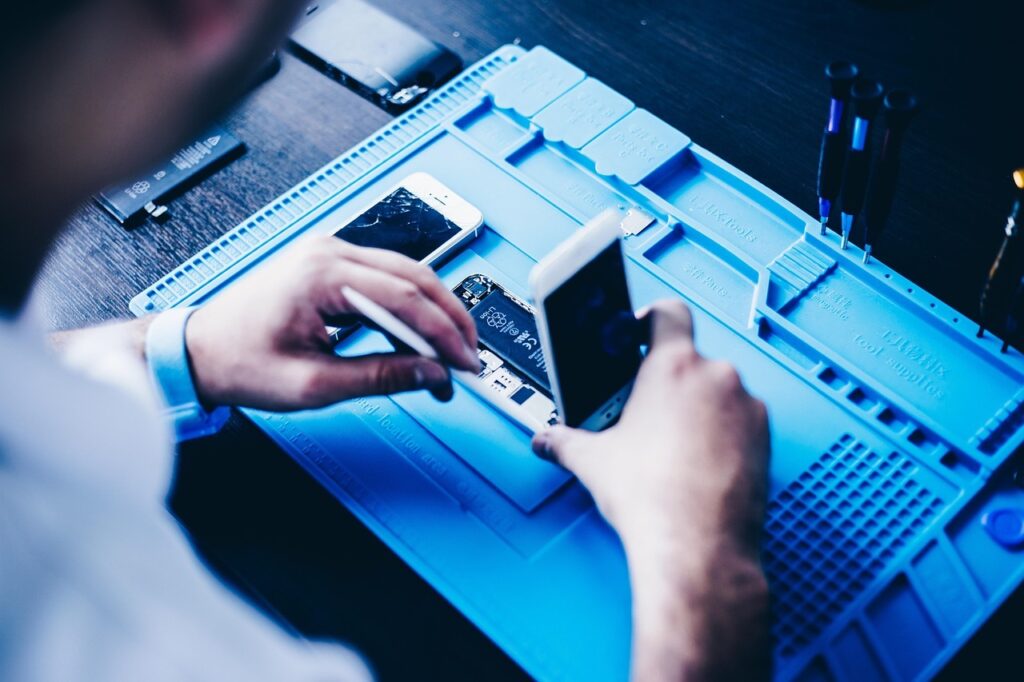
Several key factors matter when buying iPhone screens in bulk, varying by supplier. Wholesalers should prioritize screen quality, display demand, wide compatibility to boost sales, and reliable suppliers above all.
If you are thinking of buying the screen displays for your repair shop, be mindful of the screen quality, source reliability, and cost effectiveness. The reliability of the source is a crucial factor that will eventually lead to consumer satisfaction. We have a solution to all your problems. You can simply browse our wholesale iPhone displays at https://sqlcd.com
Frequently Asked Questions
What’s the difference between OLED and LCD iPhone screens?
Early iPhones used LCD screens, while newer models feature advanced OLED for superior visuals. OLED pixels self-illuminate, eliminating the need for backlighting, which results in richer colors, deeper blacks, and better power efficiency than LCD.
Which iPhones use OLED displays?
OLED displays are featured in newer iPhone models, starting with the iPhone X, XS, and XS Max, and continuing through to the iPhone 17.
Can I replace an OLED screen with an LCD?
While it’s technically possible to replace an OLED screen with an LCD, it’s not recommended. Each iPhone model is designed for a specific screen type, so replacing OLED with LCD could negatively impact your phone’s performance and display quality.
What’s Super Retina XDR?
Super Retina XDR is Apple’s cutting-edge display technology, found in newer iPhone models. It delivers exceptional brightness, a wide color gamut, and superior contrast for a more immersive visual experience.
How do I know if my iPhone screen needs replacing?
If your iPhone screen is cracked, unresponsive to touch, or has display issues like dead pixels, color distortion, or a flickering screen, it’s time for a replacement. Also, if the screen has visible lines or is completely black, these are signs of potential damage that may need professional repair.
Conclusion
iPhone dominates the smartphone market with a variety of display types, each offering unique benefits. Understanding the differences between LCD, OLED, and Super Retina displays helps you make informed decisions when purchasing or upgrading.
Whether you prioritize battery life, color accuracy, or screen quality, knowing how these technologies compare ensures you get the best value. As Apple continues to innovate, future iPhones will likely deliver even more stunning visuals and enhanced efficiency.
With over 15 years of expertise, Super Quest excels in providing tailored mobile phone parts solutions that meet your brand’s specific needs.