
How long do cell phone batteries last, and why do some fail much sooner than expected? These are very common questions. Phone battery life is not just about age. It depends on charge cycles, daily usage, heat exposure, charging habits, and the battery’s quality.
Most modern cell phones use lithium-ion batteries that gradually lose capacity, affecting performance, battery health, and reliability over time. In this guide, we explain the average cell phone battery lifespan, the science behind battery aging, and the signs that show when it is time to replace the battery.
We also examine whether high-capacity replacement batteries are worth it and what repair professionals should consider for long-term performance.
What is the Average Cell Phone Battery Lifespan?
The average lifespan of a cell phone battery depends on both time and usage. Most modern phones use lithium-ion batteries, which are designed to last about 2 to 3 years under normal use. During this period, a phone battery typically delivers reliable battery life, stable power output, and acceptable performance before noticeable aging begins.
A key measure of battery lifespan is the number of charge cycles. One charge cycle occurs when a battery uses 100 percent of its capacity, whether in a single full charge or multiple partial charges. Industry standards show that most cell phone batteries are rated for 300 to 800 charge cycles before their capacity drops significantly.
Both time and usage matter. Even if a phone is rarely used, chemical aging continues inside the battery. Heavy usage, fast charging, high screen brightness, and running background apps accelerate battery aging, reducing battery life per charge and eventually requiring a battery replacement.
What Affects Cell Phone Battery Lifespan?
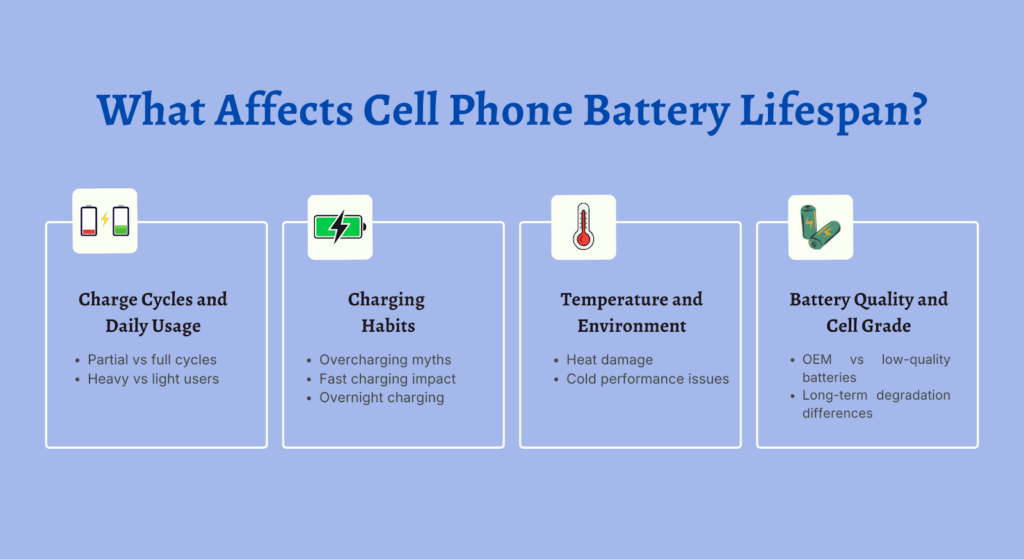
A phone battery does not fail suddenly. Battery lifespan is shaped by daily usage patterns, charging behavior, environmental conditions, and the quality of the battery cells. Understanding these factors helps users and repair professionals predict battery aging and decide when replacement is the better option.
Charge Cycles and Daily Usage
Every cell phone battery has a limited number of charge cycles, which directly affects how long the battery lasts. A charge cycle is completed when the battery uses 100 percent of its total capacity, even if that happens across several partial charges.
Partial vs full cycles
Partial charging, such as topping up from 30 percent to 80 percent, is less stressful than frequent full charge cycles from 0 to 100 percent. Over time, repeated deep discharges accelerate battery aging and reduce the battery’s capacity faster.
Heavy vs light users
Heavy users who rely on high screen brightness, constant cellular data, background apps, and gaming consume more power per day. This leads to faster cycle consumption and shorter battery lifespan compared to light users who mainly use basic apps and calls.
Charging Habits
Charging behavior plays a major role in long-term battery health, despite many common myths.
Overcharging myths
Modern phones stop charging once they reach full charge, so overcharging itself is not the main issue. The real problem is keeping the battery at 100 percent for extended periods, which increases internal stress and speeds up battery aging.
Fast charging impact
Fast charge technology is convenient, but it generates more heat during charging. Repeated fast charging can slightly reduce battery lifespan, especially when combined with heavy usage or poor-quality chargers.
Overnight charging explained
Charging overnight is generally safe, but the battery stays at full charge for hours. Over time, this can contribute to gradual capacity loss, particularly in older batteries.
Temperature and Environment
Heat is one of the most damaging factors for lithium-ion batteries.
Heat damage
Exposure to high temperatures, such as leaving a phone in a hot car or charging it while it’s hot, can permanently reduce battery capacity. Heat accelerates chemical reactions in the battery, leading to faster degradation and potential overheating.
Cold performance issues
Cold temperatures temporarily reduce battery performance and power output. While cold does not permanently damage the battery as heat does, repeated extreme temperature changes can affect long-term reliability.
Battery Quality and Cell Grade
Not all batteries age the same, even if they look identical.
OEM vs low-quality batteries
High-quality batteries use better internal components, stable cell chemistry, and reliable protection circuits. Low-quality batteries often degrade faster, show unstable performance, and are more prone to unexpected shutdowns.
Long-term degradation differences
A high-grade replacement battery typically retains usable capacity for more charge cycles. Poor-quality batteries may show rapid capacity loss, slow charging, or overheating within a short period, increasing return and warranty issues for repair businesses.
Together, these factors explain why some phone batteries last three years while others struggle after eighteen months, even under similar usage conditions.
Cell Phone Battery Lifespan by Phone Type
Cell phone battery lifespan varies by phone type, battery capacity, and how each manufacturer manages charging and power consumption. While most phones rely on lithium-ion batteries, software optimization, hardware design, and charging practices also play major roles in how long a phone battery lasts.
iPhone Battery Lifespan
Apple designs iPhone batteries to retain up to 80 percent of their original capacity after a set number of charge cycles. Most iPhone models are rated for about 500 full charge cycles, which typically translates to 2 to 3 years of normal use before noticeable battery aging occurs.
iPhones include a built-in battery health feature in settings that lets users check the battery condition, maximum capacity, and performance status. When battery health drops below 80 percent, users may notice shorter battery life, slower performance, or unexpected shutdowns. Apple may also apply power management to protect internal components and maintain system stability.
Android Phone Battery Lifespan
Android phone battery lifespans vary widely due to differences in brands, battery capacity, and charging technology. Some Android models are designed for 500 cycles, while others claim up to 800 cycles, depending on the manufacturer and battery quality.
Manufacturers like Samsung, Google, and others use different fast-charging systems, thermal controls, and software limits that affect long-term battery health. High screen brightness, background activity, and fast charging can cause Android phone batteries to age faster or slower, depending on the model and usage patterns.
In general, Android phones also require battery replacement after 2 to 3 years, especially for heavy users or devices that are frequently exposed to heat and fast charging.
Signs Your Phone Battery Is Near the End of Its Life
Knowing when to replace a phone battery helps prevent performance issues, unexpected shutdowns, and damage to internal components. As a cell phone battery ages, its capacity and ability to deliver stable power decline, even if the device still functions.
Rapid Battery Drain
If your phone’s battery drains quickly after a full charge, its capacity has likely degraded. This often shows up as shorter screen-on time, increased app background drain, and reduced overall battery life, even with normal usage.
Unexpected Shutdowns
Aging lithium-ion batteries can no longer supply consistent power under load. Phones may suddenly shut down during calls, camera use, or at high screen brightness, even when the battery indicator shows remaining charge.
Slow Charging or Overheating
Slow charging, excessive heat during charging, or overheating during normal use are strong signs of battery aging. As resistance within the battery increases, more energy is lost as heat, affecting performance and safety.
Battery Health Below 80%
On devices that allow users to check battery health, a reading below 80 percent typically signals it is time to replace the battery. At this point, reduced capacity and power throttling become noticeable.
Swelling or Physical Deformation
Any visible swelling or deformation is a serious warning. A swollen cell phone battery should be replaced immediately to avoid damage to the phone display, internal components, or the device itself.
When Should You Replace a Phone Battery?
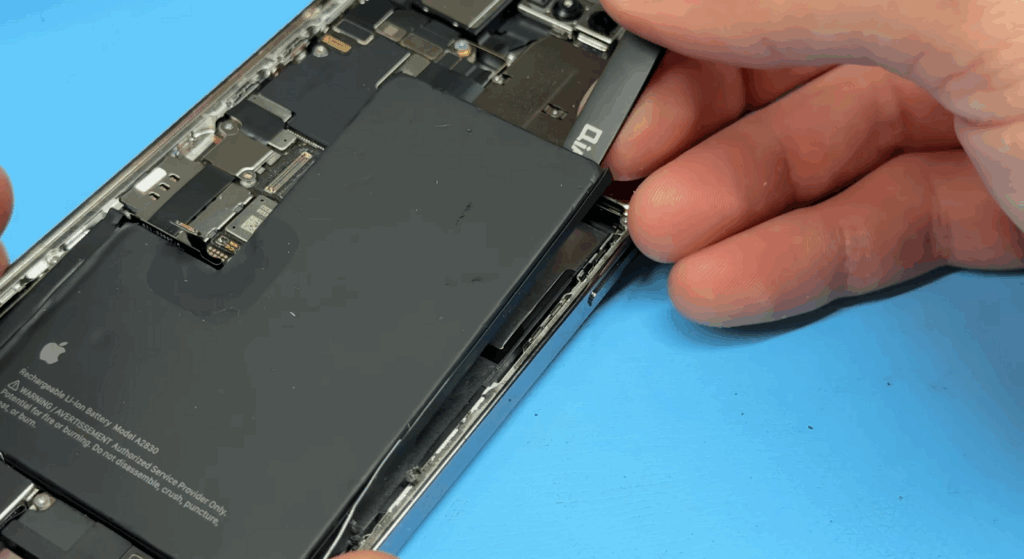
Knowing when to replace a phone battery helps maintain performance, protect internal components, and avoid sudden failures. Battery replacement should be based on measurable indicators rather than age alone.
Battery health thresholds are one of the clearest signals. When battery health drops below 80 percent, most lithium-ion batteries can no longer deliver stable power, leading to shorter battery life and performance limits. At this point, replacement is strongly recommended.
Usage-based timing also matters. Heavy users who rely on fast charging, high screen brightness, and running multiple background apps often need a phone battery replacement within 18 to 24 months. Light users may reach 2 to 3 years before replacement becomes necessary.
From a repair shop’s perspective, replacing the battery early reduces return visits due to unexpected shutdowns and overheating. Safety considerations are critical as well. Any signs of swelling, excessive heat, or charging instability mean the battery should be replaced immediately to prevent damage or failure.
Battery Replacement vs Buying a New Phone
For many users and businesses, replacing a worn cell phone battery is far more cost-effective than upgrading the entire device. A professional battery replacement typically costs a fraction of a new phone, while restoring usable battery life and performance close to normal levels.
From an environmental standpoint, replacement reduces electronic waste and extends the life of functional internal components, such as the display and motherboard.
From a business and resale perspective, battery replacement makes even more sense. Refurbishment companies and repair shops can significantly increase device value and resale potential by installing a new battery, rather than retiring an otherwise functional phone. For most scenarios, replacement delivers better return on investment than buying new hardware.
High-Capacity Replacement Battery – Is It Worth It?
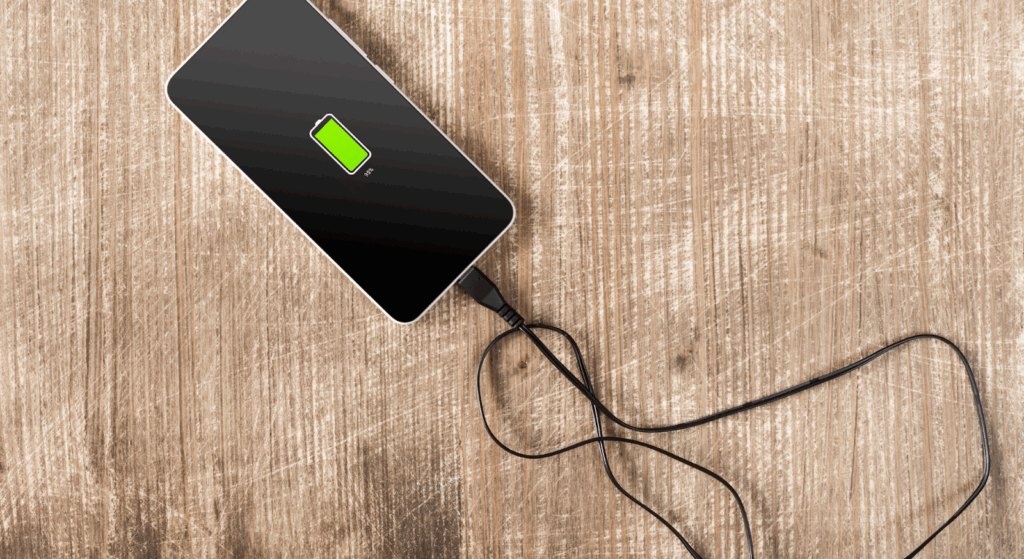
High-capacity replacement batteries are increasingly popular, but they must be evaluated carefully to avoid long-term performance or safety issues.
What Is a High-Capacity Battery?
A high-capacity replacement battery has a higher mAh rating than the original battery. This increased capacity allows the phone battery to store more energy, which can translate into longer daily usage. In real-world conditions, users may notice extended screen-on time and fewer charging sessions, especially with moderate usage patterns.
Advantages of High-Capacity Replacement Batteries
The main benefit is longer usable battery life per charge, which can reduce how often the phone needs to be charged throughout the day. Fewer charging sessions also mean fewer charge cycles, which can slow overall battery aging and extend the battery’s effective lifespan.
Potential Risks and Quality Factors
Not all high-capacity batteries are equal. Poor compatibility can lead to inaccurate battery readings or system warnings. Increased capacity can also generate more heat if cell quality or thermal management is weak.
This is why supplier quality control is critical. High-capacity batteries must use stable lithium-ion cells, robust protection circuits, and rigorous testing to ensure safe operation and long-term reliability.
How Battery Quality Impacts Lifespan After Replacement?
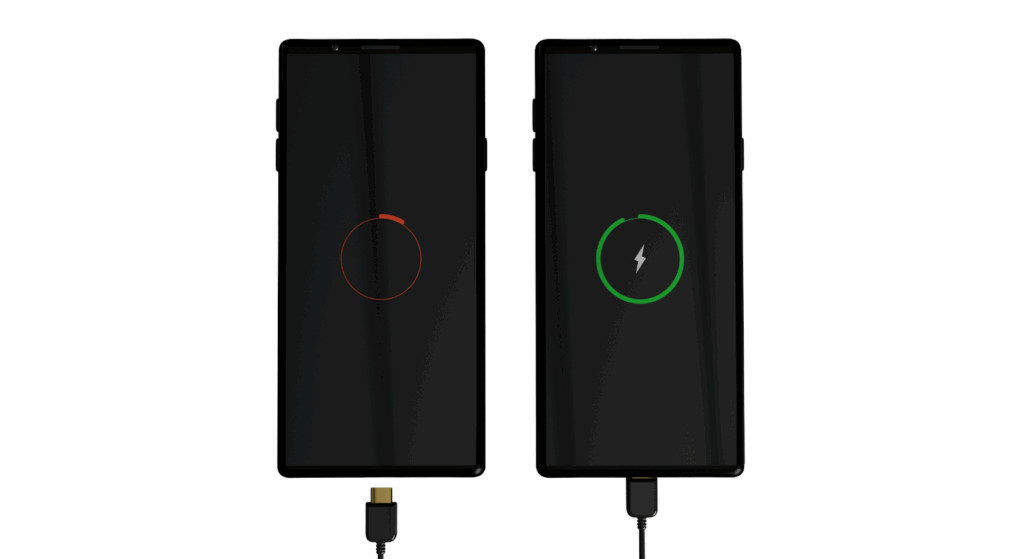
Battery quality plays a critical role in how long a phone battery lasts after replacement, especially for repair shops and wholesalers focused on long-term reliability. Two batteries with the same stated capacity can perform very differently depending on internal build quality.
Cell consistency is one of the most important factors. High-quality batteries use matched lithium-ion cells with stable chemistry, allowing even power delivery and slower capacity loss over time. Poor cell consistency often leads to rapid battery aging and unstable performance.
Protection circuits are equally important. Quality batteries include reliable protection for overcharging, over-discharging, overheating, and short circuits. Weak or missing protection increases the risk of unexpected shutdowns and device damage.
Certification standards indicate whether a battery meets basic safety and performance requirements. Batteries that pass proper testing are more likely to deliver a consistent lifespan and safe operation. For businesses, battery quality directly affects return and failure rates. Low-quality batteries may save money upfront, but often result in higher warranty claims, customer complaints, and long-term costs.
Best Practices to Extend Cell Phone Battery Life
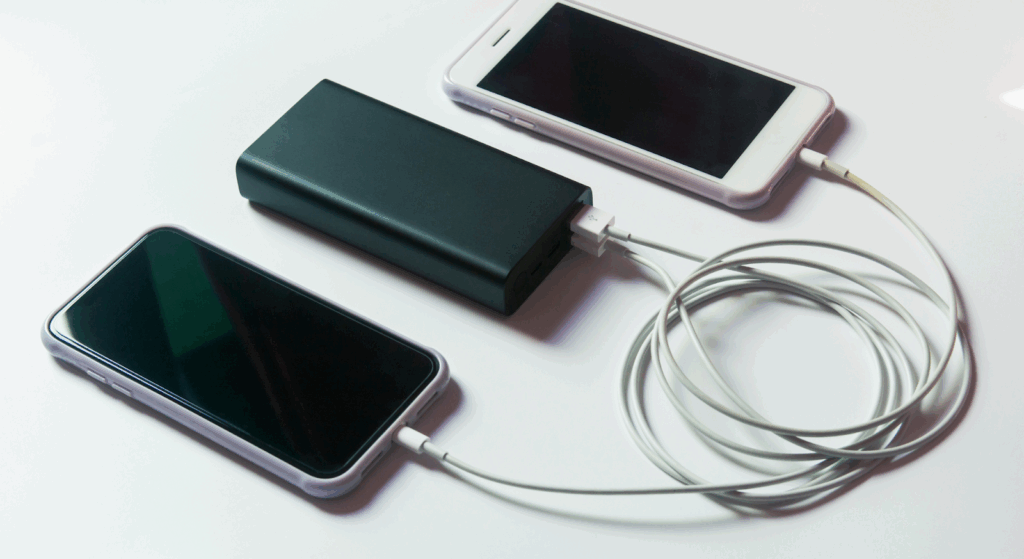
While battery aging is unavoidable, proper use habits can help extend a cell phone’s battery lifespan after replacement or during normal use. Charging habits matter. Avoid frequent deep discharges and keep the battery between moderate charge levels when possible. Limiting constant fast charging can also reduce long-term stress on the battery.
Temperature control is essential. Keeping phones away from extreme heat, such as leaving them in a hot car, helps prevent permanent capacity loss and overheating issues. Software optimization reduces unnecessary background usage. Managing apps, lowering screen brightness, and enabling power-saving features can significantly improve daily battery performance.
Storage recommendations also apply. If a phone will not be used for extended periods, storing it with a partial charge in a cool environment helps preserve battery condition and overall lifespan.
Why Repair Shops and Wholesalers Choose Quality Battery Suppliers?
For repair businesses, battery quality directly affects long-term performance, safety, and customer trust. A high-quality phone battery delivers stable power output, predictable battery life, and consistent performance across different usage conditions. This stability reduces unexpected shutdowns and overheating complaints.
Reliable suppliers also help lower warranty claims. Poor-quality batteries tend to fail early, resulting in returns, rework, and increased labor costs. In contrast, quality batteries improve customer satisfaction by restoring normal functionality and dependable daily use.
Over time, using trusted battery suppliers strengthens a repair shop’s brand reputation. Consistent results build confidence with customers, insurance partners, and resale buyers, which is critical for scaling repair and refurbishment operations.
Why Do Businesses Trust SQLCD for Replacement Phone Batteries?
Businesses trust SQLCD because battery replacement requires more than just capacity claims. It requires consistent quality, safety, and supply reliability.
SQLCD provides OEM-grade cells designed for stable lithium-ion performance and long battery lifespan. For customers seeking extended usage, high-capacity battery options are available without compromising safety or compatibility.
Every battery undergoes strict QC testing, including capacity verification, protection circuit checks, and safety inspections. SQLCD also maintains a bulk supply for high-demand phone models, helping repair shops avoid delays and stock shortages.
With professional B2B support, SQLCD helps businesses select the right batteries for different use cases, reducing failure rates and supporting long-term growth.
FAQs
How many years does a phone battery last?
Most cell phone batteries last 2 to 3 years under normal use. Battery lifespan depends on charge cycles, usage habits, heat exposure, and overall battery quality.
Is replacing a battery worth it?
Yes, battery replacement is usually worth it if the phone is otherwise functional. Replacing the battery restores battery life and performance at a much lower cost than buying a new device.
Do high-capacity batteries damage phones?
High-capacity batteries do not damage phones when they are properly designed and tested. Poor-quality or incompatible batteries, however, can cause overheating or inaccurate battery readings.
How many charge cycles are normal?
Most lithium-ion phone batteries are designed for 300 to 800 charge cycles before significant capacity loss occurs. Actual lifespan varies based on usage and charging habits.
Can a phone battery last 5 years?
In rare cases, a lightly used phone may last nearly five years, but most batteries exhibit noticeable degradation well before that point and typically require replacement.
Conclusion
The lifespan of a cell phone battery is influenced by factors such as charge cycles, daily usage, charging habits, temperature, and battery quality. Over time, all lithium-ion batteries lose capacity, which affects performance and reliability.
Knowing when to replace a phone battery helps prevent unexpected shutdowns, overheating, and reduced functionality. For repair shops and businesses, using high-quality replacement batteries from trusted suppliers like SQLCD ensures long-term performance, fewer returns, and better customer satisfaction.