
A phone repair job can fail in seconds if the wrong tool touches the wrong part. Modern mobile mobile repairing is no longer trial and error. It demands precision tools that can handle fragile phone screens, tightly packed batteries, and sensitive connectors inside today’s smartphones.
This guide covers the essential mobile phone repair tools every professional repair shop needs for screen replacements, battery repairs, and daily phone repair work. It is written for technicians and businesses that care about repair quality, speed, and long-term reliability, not one-time DIY fixes.
What is Mobile Phone Repairing?
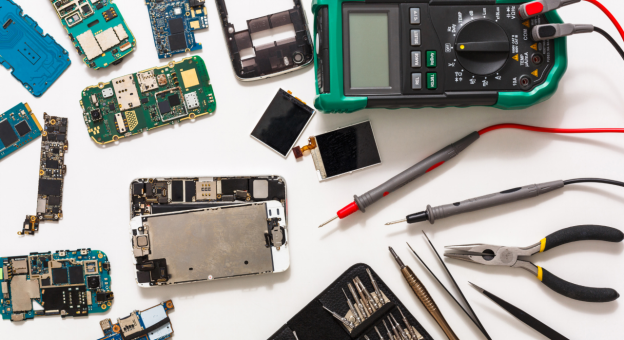
In the context of phones and devices, mobile phone repairing refers to the professional practice of diagnosing, servicing, and fixing issues in mobile phones, tablets, and similar portable electronics. This includes replacing broken parts like screens and batteries, repairing charging ports, and addressing other hardware faults that prevent a device from functioning normally.
Repair centers and technicians use specialized tools and workflows to ensure repairs are done safely and effectively, going beyond simple consumer fixes.
What does Mobile Repairing Include?
Professional mobile phone repair typically covers the most frequently needed hardware services:
- Screen replacement: Fixing or swapping out cracked or malfunctioning phone screens, which is one of the most common repairs technicians handle.
- Battery replacement: Removing old or degraded mobile phone batteries and installing new ones to restore power and battery life.
- Charging port and small-part repairs: Repairing or replacing worn or damaged charging ports, flex cables, and other small but essential components.
These tasks require not just the right tools but also skill and precision to avoid damage to delicate components and ensure consistent results.
DIY Repair vs Professional Mobile Repairing
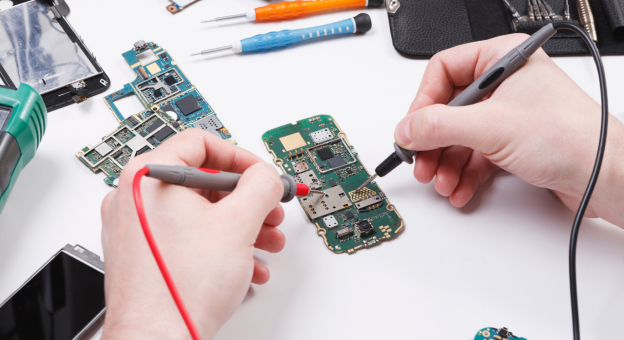
Understanding the difference between simple DIY fixes and full professional mobile repairing matters for both cost and quality.
- Skill level: DIY repair guides and videos might help with cleaning ports or replacing simple parts, but complex tasks like full-screen replacements or board-level work require trained technicians. Attempting advanced repairs without experience can cause further damage.
- Tool requirements: Professional technicians use precision screwdrivers, ESD-safe tools, and specialized kits designed for safe disassembly and reassembly. These tools protect sensitive parts in phones and tablets that generic household tools cannot.
- Risk and efficiency differences: A trained repair shop can diagnose issues quickly, use the correct parts and methods, and minimize the risk of voiding warranties or harming internal circuitry. This efficiency and reduced risk are why many people choose professional service over DIY attempts.
Why Professional Mobile Repairing Tools Matter?
In professional mobile phone repair, tools are not accessories. They are a core part of repair quality, safety, and business performance. Using the right tools reduces risk, speeds up workflows, and helps technicians deliver consistent results across phones, tablets, and other devices.
Precision, Safety, and Repair Efficiency
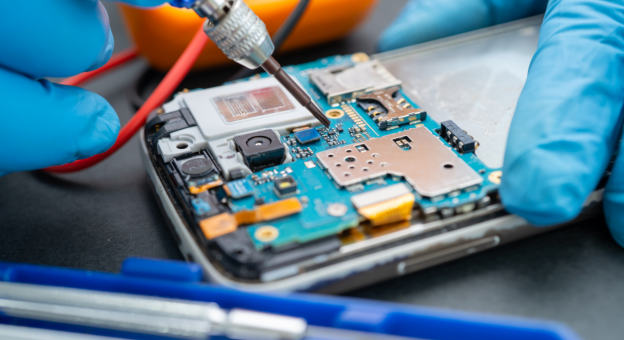
Modern smartphones are packed with delicate components, thin flex cables, and tightly fitted screen assemblies. Professional tools like precision screwdrivers, ESD-safe tweezers, suction cups, and controlled heating tools allow technicians to work accurately without stressing connectors or cracking screens during removal.
Proper tools also help prevent secondary damage, such as torn display cables, bent frames, or punctured batteries. When repairs are done cleanly and correctly the first time, repair success rates improve, turnaround time drops, and customer confidence increases.
Tool Quality and Long-Term Cost Savings
Cheap tools often wear out quickly, lose precision, or slip during use. This leads to damaged screws, broken screens, and rework that costs both time and money. Professional-grade mobile repairing tools are designed for repeated daily use, offering better grip, durability, and control.
Over time, investing in quality tools lowers repair failures, reduces part wastage, and protects margins. For repair shops and wholesalers, reliable tools are not an expense; they are an investment. They are a long-term cost-saving asset.
Complete List of Mobile Repairing Tools for Repair Shops
Professional mobile repairing depends on having tools that match the complexity of modern smartphones. Phone screens are thinner, batteries are tightly sealed, and internal components are more fragile than ever.
Each tool below serves a specific purpose in reducing repair risk, improving speed, and ensuring consistent results across iPhone, Android, tablets, and other devices.
Basic Mobile Repairing Tools (Required for All Repairs)
Precision Screwdriver Set
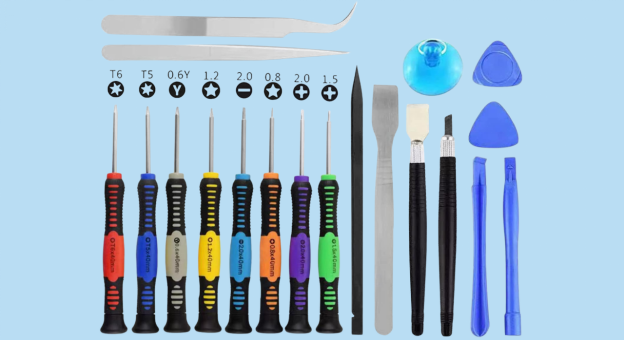
A precision screwdriver set is the foundation of all mobile phone repair work. Modern phones use multiple screw types and sizes, especially iPhones, which rely on Pentalobe, Tri-point, and specialized screws to secure screen assemblies and internal shields.
Using the wrong screwdriver damages screw heads, slows repairs, and increases the risk of stripped screws that are difficult to remove.
High-quality precision screwdrivers maintain tip accuracy over time, ensuring a secure fit and controlled torque. This matters when working on delicate components near displays, batteries, and connectors.
Plastic Pry Tools
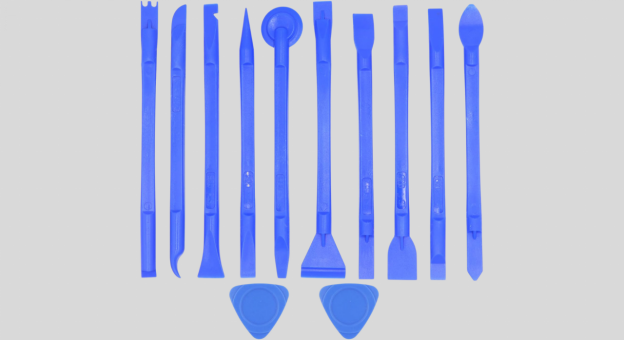
Plastic pry tools are used to open phone housings, lift connectors, and separate screen assemblies without scratching frames or cutting flex cables. Unlike metal tools, plastic pry tools reduce the chance of short circuits and accidental damage to internal electronics.
In daily phone repair, these tools are used constantly during screen replacements, battery removal, and connector disconnection. Their flexibility allows technicians to work in tight spaces inside smartphones and tablets safely.
ESD-Safe Tweezers
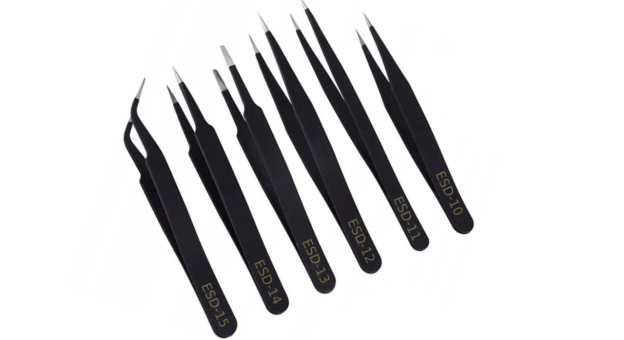
Tweezers are essential for handling screws, connectors, adhesive strips, and small internal parts. ESD-safe tweezers protect sensitive components from static discharge, which can silently damage chips, displays, or charging circuits.
For professional mobile repair, fine-tipped tweezers allow precise handling of small screws and flex cables, especially during screen and battery replacement jobs where accuracy matters.
Suction Cups
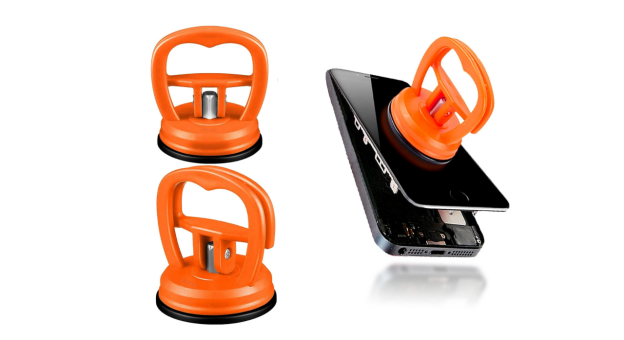
Suction cups are used to lift phone screens evenly once the adhesive has been softened with heat. They help create a controlled gap between the screen and frame, reducing stress on glass panels and display cables.
In screen replacements, proper suction prevents uneven force that can crack phone screens or tear display connectors. Professional suction cups provide a consistent grip that prevents slipping during removal.
Magnetic Screw Mat
A magnetic screw mat keeps screws organized during disassembly. Smartphones contain many screws of different lengths, and mixing them up can cause internal damage during reassembly.
For repair shops that handle multiple devices daily, magnetic mats improve workflow efficiency, reduce errors, and save time. They are especially useful for iPhone repair, where incorrect screw placement can damage the logic board.
Tools to Replace Phone Screen (Screen Repair Essentials)
Screen Opening Tools
Screen-opening tools are thin blades used to initiate separation between the phone frame and the screen after heating. These tools must be thin enough to slide under the glass but strong enough to maintain control.
Professional technicians use screen opening tools carefully to avoid bending frames or damaging glass screens during removal. They are essential for both LCD and OLED screen replacements.
LCD / OLED Separator Tools
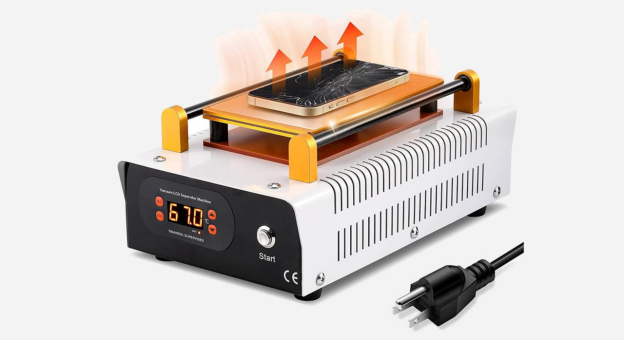
Separator machines or plates apply controlled heat to loosen adhesive under phone screens. They are critical when removing screens without cracking glass or damaging display panels.
OLED screens are thinner and more fragile than LCD screens, so precise temperature control is important. Professional mobile repairing tools in this category reduce breakage and improve screen reuse rates where applicable.
Heating Pads or Hot Plates
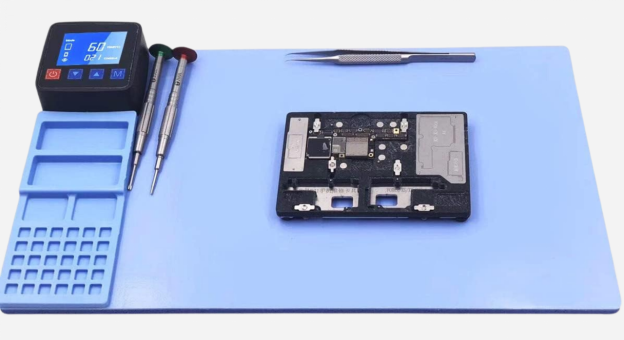
Heating pads and hot plates soften the adhesive that holds screens and batteries in place. Controlled heat allows safe separation without applying excessive force. For phone repair shops, consistent heat application improves repair quality and reduces accidental damage, especially during screen and battery replacement jobs on newer smartphones.
Screen Clamps
Screen clamps apply even pressure after installing a replacement screen. This ensures proper adhesion, prevents light leaks, and keeps screens seated correctly as the adhesive cures. Without clamps, screens may lift over time, leading to customer complaints and returns. They are a simple but critical tool for professional screen replacement work.
Adhesive Removal Tools
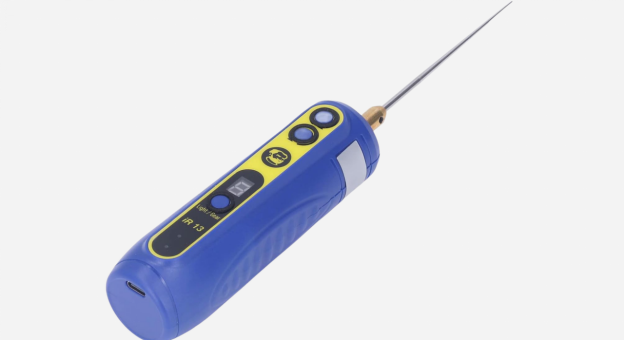
Adhesive-removal tools help remove old glue from frames before installing new screens. Proper adhesive removal ensures flat alignment and long-term durability of the replacement screen. Inconsistent adhesive cleanup is a common cause of poor screen fit and touch issues, making these tools essential for quality repairs.
Tools for LCD vs OLED Screen Replacement
LCD screens are thicker and more rigid, while OLED screens are thinner and more flexible. OLED panels require gentler handling, lower heat, and softer tools to avoid creasing or pixel damage. Professional repair shops adjust tools and techniques depending on whether they are working with hard OLED, soft OLED, or LCD screens.
Phone Battery Replacement Tools
Battery Adhesive Pull Tabs
Battery pull tabs allow batteries to be removed safely by stretching the adhesive rather than prying. This reduces the risk of battery puncture, bending, or thermal damage. They are essential for modern phones’ battery repair, where batteries are tightly sealed and difficult to access.
Isopropyl Alcohol Applicators
Isopropyl alcohol is used when battery adhesive pull tabs fail. Applied carefully, it softens the adhesive and allows batteries to be removed with minimal force. This method is commonly used in professional battery replacement to avoid damaging phone frames or internal components.
Battery Pry Cards
Battery pry cards are thin plastic cards used to lift batteries once the adhesive is loosened. They distribute pressure evenly, reducing the risk of swelling or deformation. Metal tools should never be used for battery removal due to safety risks.
Battery Testers
Battery testers measure voltage, charge behavior, and sometimes internal resistance. They help technicians verify battery condition before and after replacement. For repair shops, battery testers reduce returns by ensuring only healthy batteries are installed.
Tools for High-Capacity and OEM Battery Replacement
High-capacity batteries require careful alignment and controlled pressure during installation. Proper tools ensure correct seating, prevent swelling, and maintain long-term battery performance. Professional tools are especially important when handling OEM and high-capacity replacement batteries used in business-grade repairs.
Advanced Tools for High-Volume Mobile Repair Shops
In a busy professional mobile phone repair environment, basic tools cover only part of the work. These tools aren’t typical DIY accessories; they are essential in repair centers that thrive on efficiency, precision, and reduced return rates.
DC Power Supply
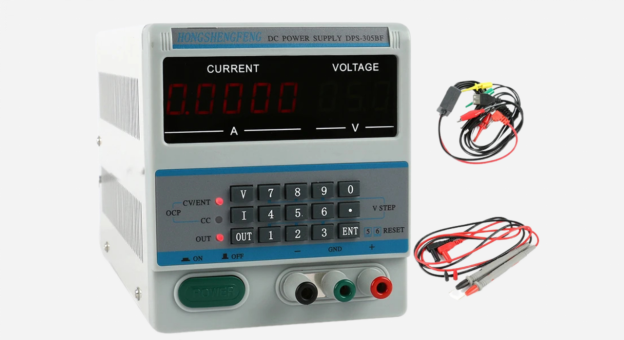
A DC power supply provides controlled power directly to a phone or motherboard for testing and diagnostics. When a device won’t power up or has a failing battery, technicians use a bench DC power supply to simulate battery input, verify charging circuitry, and isolate faults without relying on the internal battery.
These units often allow adjustable voltage and current, helping avoid short circuits or damage during testing. This makes them invaluable in high-volume shops where quick, reliable diagnostics matter.
Multimeter
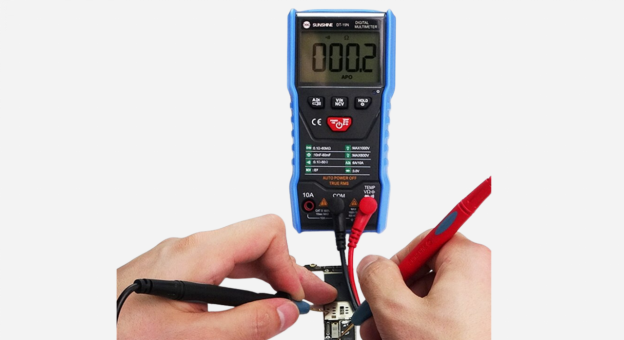
A multimeter is a fundamental advanced measurement tool used to test electrical values across circuits, including voltage, current, resistance, and continuity. In professional repair scenarios, multimeters help technicians check battery voltage, confirm connector continuity, test charging circuit pathways, and quickly isolate board faults before opening the device.
A high-quality multimeter improves diagnostic accuracy and reduces part-swapping errors, leading to faster, safer repairs.
Microscope (Optional but Valuable)
A microscope offers magnified visual inspection of tiny components on phone logic boards or connectors. This is especially useful for board-level diagnostics, micro-soldering, and inspecting flex cables or solder joints that are too small to see clearly with the naked eye.
While optional, a microscope significantly improves accuracy in complex repairs and reduces the risk of damaging delicate parts during troubleshooting.
True Tone / Repair Programmer (for iPhone Screen & Settings)
A True Tone programmer is a specialized tool used in advanced iPhone repair workflows to preserve or recalibrate screen characteristics and system data after replacement. These programmers can read and write calibration data, restore True Tone functionality, and correct battery or display identification settings that the system might otherwise reject after a part swap.
This is especially important for maintaining features like adaptive color, battery health reporting, and hardware calibration after screen or battery replacements.
How to Choose the Right Mobile Repairing Tools for Your Business?
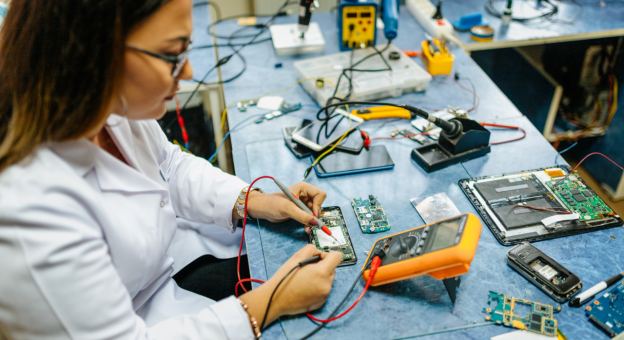
Selecting the right mobile repair tools depends on how your business operates, the types of devices you repair, and how often you use those tools. A thoughtful tool setup improves repair quality, reduces mistakes, and supports long-term growth for professional phone repair shops.
Repair Volume Considerations
A small repair shop handling a few devices a day may rely on a compact toolkit focused on screen replacements and battery repairs. In contrast, a large repair center that handles hundreds of phones each week needs durable tools designed for repeated use.
High repair volume increases wear on screwdrivers, tweezers, and heating tools, making professional-grade equipment essential for maintaining speed and consistency.
Device Compatibility (iPhone and Android)
Modern smartphones vary widely in design. Universal tools work well for basic tasks, but certain repairs require specialized tools for specific phone models.
iPhone repair often involves proprietary screws and calibration tools, while Android repair may require broader compatibility across different manufacturers. Choosing tools that support both ecosystems reduces downtime and expands service capability.
Tool Durability and After-Sales Support
Tool quality directly impacts repair reliability. Cheap tools wear quickly, lose precision, and increase the risk of damaging phone screens, batteries, or connectors. Professional suppliers offer tools built for daily use, along with replacement parts, documentation, and after-sales support. This level of reliability protects repair margins and ensures your business can scale with confidence.
Common Mistakes Caused by Using Improper Repair Tools
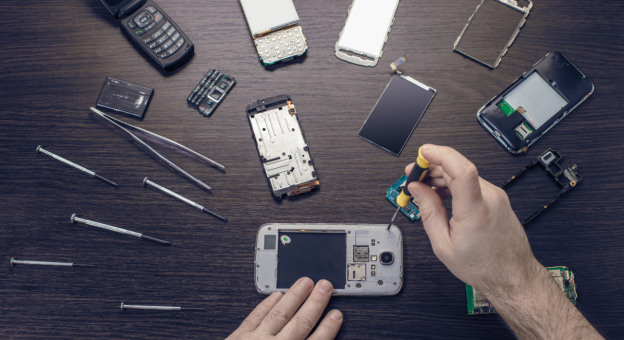
Many repair failures are not caused by lack of skill, but by using the wrong tools for the job. In professional mobile phone repair, using improper tools increases the risk at every stage of the process.
Screen cracking during installation is a common issue when low-quality suction cups, uneven heating tools, or worn pry tools are used. Without proper control, pressure is applied unevenly, leading to cracked phone screens or damaged display edges.
Battery damage often occurs when metal tools are used instead of proper battery pry cards or pull tabs. This can cause battery swelling, punctures, or overheating, creating safety risks for both technicians and customers.
Connector tearing happens when oversized or blunt tools are used near delicate flex cables. Once a connector is damaged, repair costs increase, and success rates drop sharply. Over time, these mistakes lead to higher return rates, greater part waste, and a loss of customer trust, directly affecting business profitability.
Why Repair Shops and Wholesalers Source Tools from SQLCD?
Repair shops and B2B buyers choose SQLCD because consistent results matter more than short-term cost savings. SQLCD focuses on supplying professional-grade mobile repairing tools built for daily use in real repair environments.
All tools are designed to be compatible with both LCD and OLED screens, ensuring safe handling of modern displays across iPhone and Android devices. This reduces breakage during screen replacements and improves overall repair quality.
For wholesalers and high-volume repair centers, SQLCD offers bulk supply options with consistent specifications, helping businesses standardize their repair workflows. Strict quality control ensures tool reliability, while one-stop sourcing for screens, batteries, and tools simplifies inventory management and saves time.
Together, these advantages help repair businesses operate efficiently, reduce returns, and scale with confidence.
FAQs
What tools are absolutely required for phone screen replacement?
At minimum, screen replacement requires precision screwdrivers, plastic pry tools, suction cups, controlled heating tools, and ESD-safe tweezers. Without these, the risk of cracking phone screens or damaging connectors increases significantly.
Can one toolkit work for all phone models?
A basic toolkit can cover many repairs, but no single kit works perfectly for all phones. iPhone repair often needs specialized screwdrivers and programmers, while Android devices may require broader compatibility tools.
Are professional tools worth the investment?
Yes. Professional mobile repairing tools improve repair accuracy, reduce part damage, and lower return rates. Over time, they save money by preventing failed repairs and repeat work.
What causes most repair failures?
Most failures come from improper tools, uneven heat application, or damaged connectors during disassembly. Tool quality and correct usage are often more important than speed.
How often should repair tools be replaced?
Frequently used tools like screwdrivers and pry tools should be inspected regularly and replaced once precision drops. Worn tools increase the risk of damage to the screen, battery, and connectors.
Conclusion
An efficient mobile repair setup begins with selecting the right tools for screen replacements, battery repairs, and routine phone repair work. Precision tools protect delicate components and improve repair consistency.
Investing in professional-grade equipment reduces mistakes, lowers return rates, and supports faster turnaround times. For repair shops and wholesalers looking to scale, working with a reliable supplier like SQLCD helps standardize repairs, control costs, and build long-term customer trust.